Indonesia Volcano Eruption Strands Over 300,000, Airports Reopen Gradually
Airports in Indonesia are reopening after Anak Krakatau's eruption stranded more than 300,000 passengers and triggered a search for missing journalists.
By Hannah Lindqvist · First published 6 Sept 2026
In brief
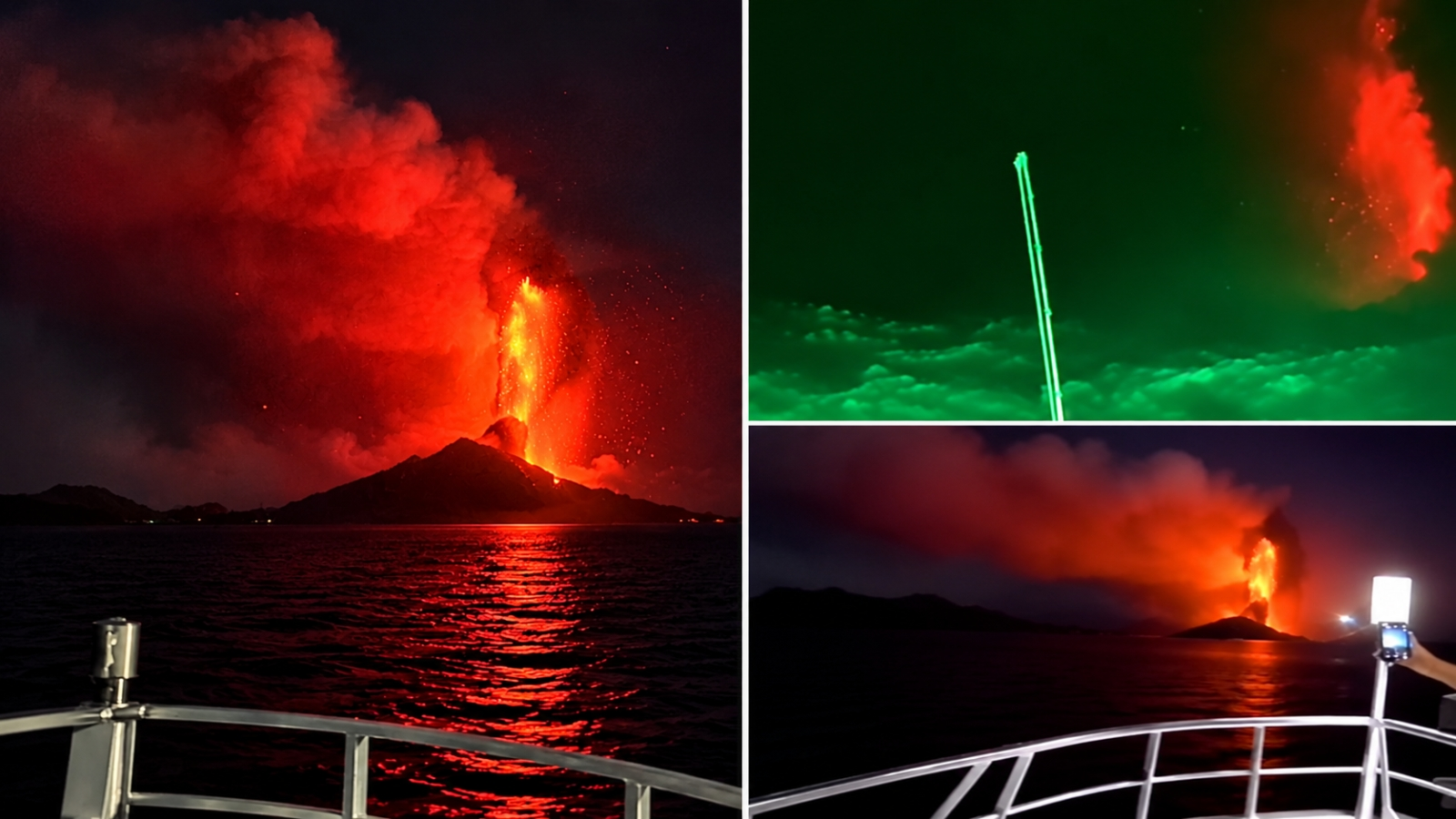
- Mount Anak Krakatau erupted on September 5, 2026, sending ash plumes up to 15 kilometers and causing widespread disruption.
- Eight airports, including Jakarta's main hub, were closed but have now mostly reopened as volcanic ash has cleared.
- Over 300,000 passengers were stranded and nearly 3,000 flights canceled or delayed due to the eruption and airport closures.
- Authorities have resumed flights, but a search is ongoing for eight people, including journalists, missing at sea near the volcano.
- Officials remain on high alert, monitoring volcanic activity and warning residents to stay clear of the affected area.
Timeline · 9 moments
Anak Krakatau volcano begins erupting, ash rises over Sunda Strait
Indian Express ↗Ash plume reaches 15 kilometers, flights suspended at Jakarta and Lampung
Bloomberg ↗International flights to and from Asia delayed or canceled
World News CNA ↗Suspension at Jakarta airport extended, affecting over 200 flights
Japan Times ↗Jakarta airport operations halted until at least 1:30 PM local time
Al Jazeera ↗Eight airports closed, 170,000 stranded after eruption
Indian Express ↗Airport closures and flight cancellations extended into Monday
CNBC ↗Most Indonesian airports reopen after ash cloud clears
South China Morning Post ↗Search launched for missing journalists near volcano
The Hindu ↗Update 10 Sept 2026, 5:00 pm UTC
Most Indonesian airports impacted by the Anak Krakatau eruption have now reopened as ash clouds cleared, and flights are gradually resuming. The number of stranded passengers has risen to over 300,000, and a search is underway for eight people, including five journalists, missing near the volcano after their boat lost contact.
Update 7 Sept 2026, 6:55 am UTC
Closures have expanded to eight airports, and the number of stranded passengers has risen sharply to at least 170,000. Over 1,500 flights are now confirmed cancelled, with disruptions extending into Monday as volcanic ash continues to affect air travel and daily life.
Update 6 Sept 2026, 11:25 am UTC
The eruption of Anak Krakatau has caused suspensions at seven airports, not just Jakarta and Lampung. Over 300 flights have now been cancelled, affecting tens of thousands of travelers. Schools and local fishing activities have also been halted due to ashfall.
How it started
Anak Krakatau, a volcanic island in Indonesia's Sunda Strait, began erupting on the night of September 5, 2026. The volcano has a long history of frequent eruptions since it emerged in 1927, making it one of the region's most closely monitored natural hazards.
As the eruption began, dense ash clouds started rising above the volcano and spreading over the surrounding areas. Initial warnings were issued for people to stay away from the immediate vicinity, as the risk of further explosions and falling ash was high.
How it unfolded
By the early hours of September 6, the eruption intensified, with ash plumes reaching as high as 15 kilometers into the atmosphere. This ash drifted toward populated regions, including parts of Java and Sumatra.
Authorities quickly responded by suspending all flights at Jakarta's Soekarno-Hatta International Airport and the airport in Lampung, citing concerns over visibility and aircraft safety. The closure began early in the morning and forced hundreds of travelers to change their plans.
International flights to and from major Asian cities, including Singapore, Kuala Lumpur, Guangzhou, Hong Kong, and Doha, were delayed or canceled as the ash cloud continued to spread. Airlines such as Singapore Airlines were among those affected by the disruptions.
By midday, the suspension of airport operations was extended as the eruption showed no signs of slowing down. The number of affected flights climbed to over 200, causing widespread travel disruption for both domestic and international passengers.
The eruption brought back memories of previous disasters linked to Anak Krakatau, including a deadly tsunami in 2018 that claimed hundreds of lives.
Where it stands
As of now, flights at Jakarta and Lampung airports remain suspended due to ongoing ash emissions from Anak Krakatau. Thousands of passengers have been impacted, and authorities continue to warn residents to avoid the area around the volcano.
The situation is still developing, with officials closely monitoring volcanic activity and air quality. The potential for further eruptions or changes in wind direction could prolong travel disruptions and increase risks to local communities.
What to watch
Authorities will decide when to reopen airports based on volcanic activity and ash dispersal. Travelers should expect continued delays and monitor official updates.
There is also concern about possible health effects from ash fall and the risk of additional eruptions, so local residents are being urged to follow safety instructions.
More in World
All →
Madrid Pensioner Evicted After 71 Years, Sparking Nationwide Protests Over Housing Crisis
The forced eviction of 87-year-old Maricarmen Abascal from her longtime Madrid home has triggered widespread protests across Spain and renewed debate about tenant rights and rising housing costs.
28 sources · over 5 days
Orange Order Parade Blocked by Thousands on Garvaghy Road
Protesters physically blocked the Orange Order parade in Portadown, leading to a tense standoff and the march being halted.
24 sources · over 7 days
South Korea Demands Apology After Ukraine Reveals POW Transfer Deal
South Korea has demanded an official apology from Ukraine after details emerged about the confidential transfer of North Korean prisoners of war, straining ties between the two countries.
11 sources · today