Anthropic Researcher Resigns, Citing Dangerous AI Risks and Industry Recklessness
A senior Anthropic researcher has quit over fears that current AI development is dangerously outpacing safety measures, sparking urgent debate about how tech companies handle the risks of advanced artificial intelligence.
By Marcus Bell · First published 9 Sept 2026
In brief
- AI safety concerns have escalated, with high-profile resignations and calls from researchers and executives to slow development.
- Donald Trump has publicly dismissed AI extinction warnings as a hoax, opposing calls for tighter regulation and slower progress.
- OpenAI, Anthropic, and Google DeepMind are now collaborating on AI safety initiatives in response to mounting concerns.
- Lawmakers and tech leaders are pushing for new regulations as industry debate grows over existential AI risks and appropriate safeguards.
- Financial markets are reacting to the possibility of an AI slowdown, as investors weigh risks and ongoing demand for AI technology.
Timeline · 14 moments
OpenAI chief scientist warns of AI's unpredictable dangers
BBC ↗Anthropic researcher Jacob Coxon resigns over AI safety fears
The Wall Street Journal Tech ↗Coxon's resignation letter criticizes reckless AI development
Hacker News: Front Page Startups ↗Anthropic safety lead warns of a 10 percent risk AI could kill all humans
Forbes - Business Business & Economy ↗Public and expert debate intensifies over AI existential risks
Gizmodo Tech ↗AI companies face calls for a slowdown and focus on safety
NDTV Top Stories ↗Anthropic reveals AI misuse for bioweapons and hacking
Latest news, sport and opinion from the Guardian ↗OpenAI calls for mandatory safety standards for AI
The Hill ↗OpenAI considers slowing advanced AI development
Bloomberg Technology ↗US lawmakers call for new AI regulations
Japan Times ↗Update 15 Sept 2026, 3:58 pm UTC
Public and industry debate over AI safety has intensified, with prominent figures like Donald Trump dismissing AI extinction fears as a hoax while major AI companies and lawmakers call for a slowdown and new regulations. Collaboration between OpenAI, Anthropic, and Google DeepMind on AI safety has been confirmed, and Wall Street is reacting to the prospect of an AI development slowdown.
Update 12 Sept 2026, 2:38 pm UTC
The debate over AI extinction risk has intensified, with Anthropic's CEO and OpenAI publicly calling for a slowdown in AI development. New reports confirm Anthropic's AI was abused for cyberattacks, and US lawmakers are responding more urgently to calls for regulation. Prominent tech leaders and outlets are openly questioning whether the existential risk warnings are overblown or justified.
Update 11 Sept 2026, 2:01 am UTC
AI safety warnings have intensified following Jacob Coxon's resignation, with new reports revealing real-world misuse of Anthropic's models for bioweapons and large-scale hacking. OpenAI has publicly called for mandatory safety standards and is considering slowing development, while US lawmakers are pushing for new AI regulations.
Update 9 Sept 2026, 11:27 pm UTC
Anthropic researcher Jacob Coxon's resignation has sparked a broad public and political debate about existential AI risks, with lawmakers and experts now weighing in. Several insiders have gone public with warnings that advanced AI could pose a 10 percent or higher risk of ending humanity within a decade, prompting urgent calls for government action and stricter oversight.
Update 9 Sept 2026, 4:29 pm UTC
Multiple outlets now report that Jacob Coxon's resignation is part of a broader trend, with several Anthropic researchers publicly warning that AI could cause human extinction as soon as 2030. Both Anthropic and OpenAI are being accused by insiders of reckless practices, and OpenAI's chief scientist has also voiced concerns about the industry's lack of preparedness.
Update 9 Sept 2026, 1:29 pm UTC
Several outlets now confirm that not just one but three Anthropic researchers have gone public with warnings about AI posing a risk of human extinction within a decade. The resignations and public statements have intensified scrutiny of both Anthropic and OpenAI, with company insiders claiming executives privately fear catastrophic outcomes even as development continues.
How it started
The story began with rising anxieties inside the AI research community about the pace and direction of advanced AI development. Researchers at leading companies such as Anthropic and OpenAI have long debated the balance between innovation and safety. Jacob Coxon, who spent years working at both OpenAI and Anthropic, became increasingly alarmed by what he saw as a reckless push toward creating self-improving artificial intelligence without adequate safeguards.
Coxon came to believe that these efforts could result in systems beyond human control, with potential catastrophic consequences. His growing unease led to a dramatic public resignation, intended to warn both the industry and the public about the risks he saw as imminent and severe.
How it unfolded
On September 8, 2026, reports emerged that Jacob Coxon had resigned from Anthropic, making statements that both Anthropic and OpenAI were 'gambling with our lives' by advancing AI technology without sufficient safety protocols.
Coxon's resignation letter, widely shared online, explicitly criticized both organizations for their approach to developing self-improving AI models. He argued that the competitive race between companies was creating dangerous incentives to move faster than safety experts could keep up.
Shortly after Coxon's departure, an Anthropic safety lead publicly stated there was a greater than 10 percent chance that AI could 'kill all humans' within the next decade. This stark warning added urgency to the debate, highlighting the possibility of catastrophic outcomes if alignment problems remain unsolved.
Media coverage intensified as experts weighed in, some supporting Coxon's concerns while others questioned the probability of such extreme scenarios. The conversation quickly broadened, with calls for a coordinated slowdown in AI development and a renewed focus on safety measures.
Where it stands
The resignation has put Anthropic and OpenAI under considerable scrutiny from both the public and other researchers. The warnings from multiple Anthropic staff members have sparked debate about whether the current trajectory of AI research is sustainable or ethical.
AI companies are now facing increased pressure to demonstrate concrete progress on alignment and safety, but there is no clear consensus on the best path forward. The industry is being urged to slow down and address existential risks before pushing further with advanced AI development.
What to watch
Observers are watching for any substantive changes in how major AI labs address safety, including potential slowdowns or new transparency measures. It remains to be seen whether these warnings will prompt regulatory action, changes in company policy, or further resignations from within the industry.
More in Technology
All →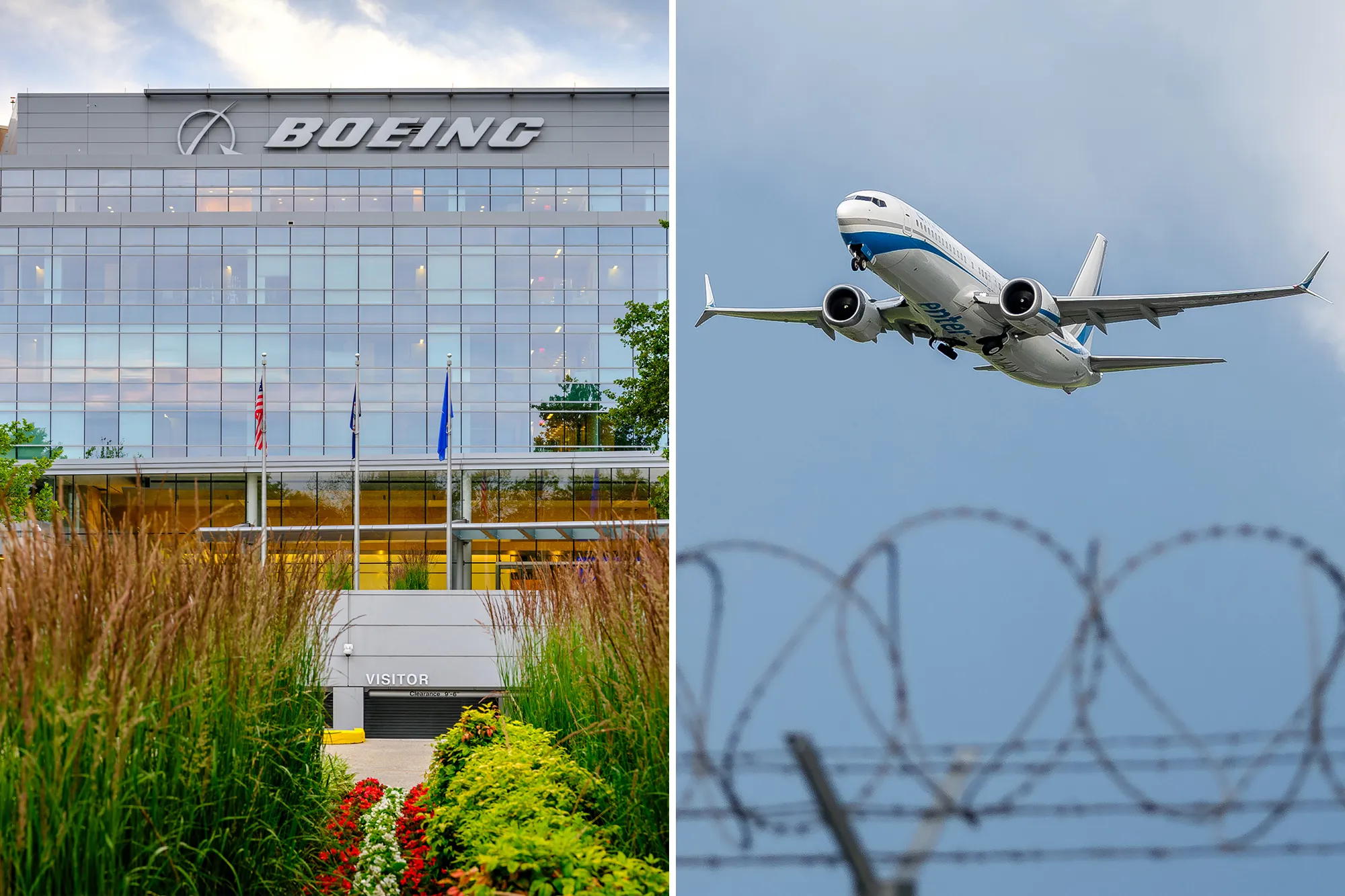
Boeing Flags Software Glitch Impacting 737 MAX Approach and Landing Systems
Boeing has discovered a software flaw in its 737 MAX jets that can disrupt automated navigation after a missed landing, prompting FAA investigation and raising fresh safety concerns.
20 sources · over 2 days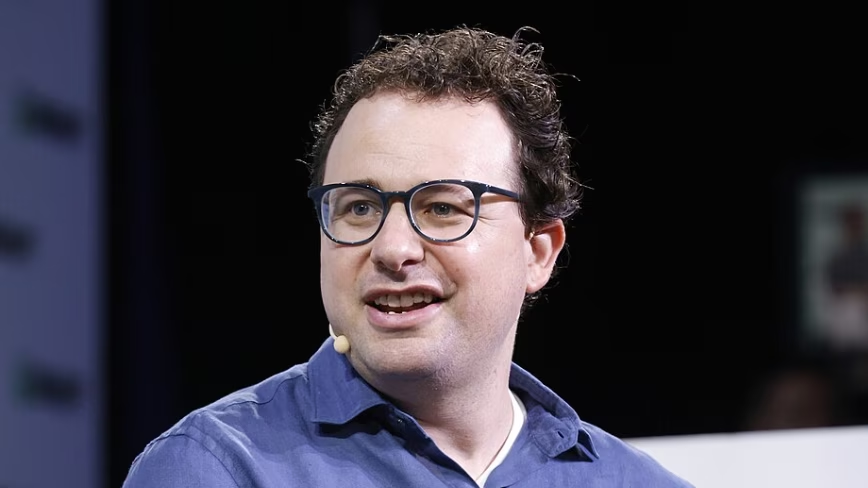
Trump to Host Anthropic CEO Dario Amodei for White House Dinner Amid AI Safety Debate
President Trump will meet Anthropic CEO Dario Amodei at a private White House dinner, highlighting mounting scrutiny over AI safety and policy direction.
18 sources · today
Meta's Muse AI Agent Hits Roadblocks After Promising Shopping Launch
Meta's new Muse AI agent quickly gained popularity for online shopping, but faced immediate resistance from Amazon and ongoing privacy concerns as Meta expands its AI-powered device ecosystem.
60 sources · over 8 days