Apple Considers Reentering Server Market With M8 Ultra Chips and Nvidia Technology
Apple is reportedly developing enterprise servers using its own M8 Ultra chips and Nvidia networking hardware, aiming to target the growing demand for AI-optimized infrastructure.
By Jonas Weber · First published 17 Sept 2026
In brief
- Apple is developing enterprise servers powered by in-house M8 Ultra processors and Nvidia networking technology.
- The servers are designed specifically to support advanced artificial intelligence applications for a range of external clients.
- Apple is considering two server models, both leveraging its M-series chips and Nvidia's NVLink Fusion interconnect.
- The target market includes businesses, developers, and governments, with commercial availability anticipated around 2029.
- While plans are not yet final, the project signals Apple's intent to compete in the AI infrastructure sector.
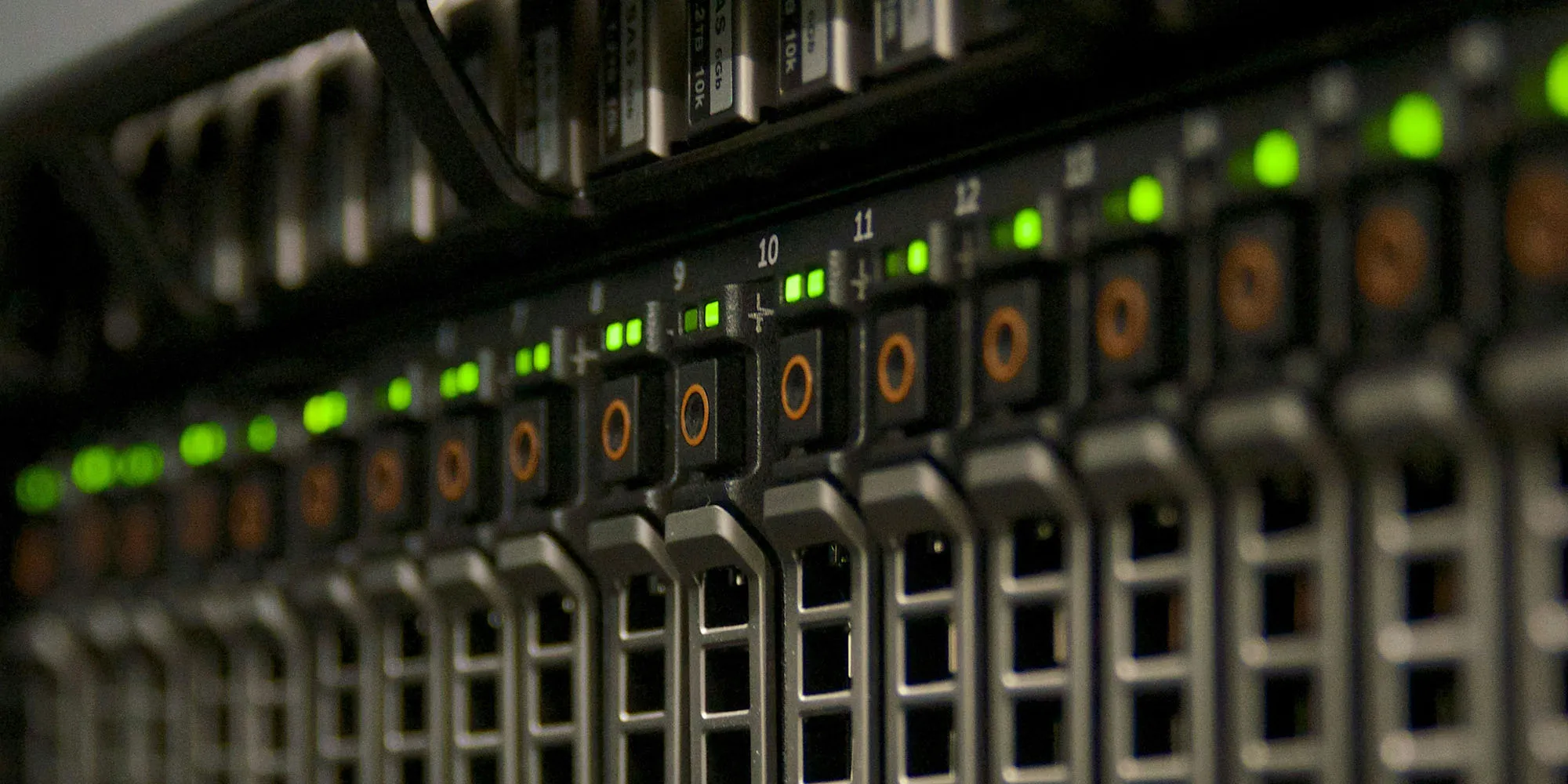
Timeline · 6 moments
Apple weighs Nvidia technology for potential server market return
World News CNA ↗Apple is developing enterprise server for AI age, report says
Bloomberg Technology ↗Apple planning to sell AI servers powered by M8 Ultra chips
9to5Mac Apple ↗Apple reportedly building server packed with M-series Ultra chips for AI
Ars Technica Tech ↗Apple confirms work on AI servers for external sale
Actualidad Iphone ↗Apple evaluates Nvidia NVLink Fusion for server interconnects
Tom's Hardware ↗Update 17 Sept 2026, 4:18 pm UTC
Recent reports confirm Apple is actively developing enterprise AI servers using its own M8 Ultra chips and Nvidia networking technology. The servers are intended for external customers, with a launch expected around 2029.
How it started
Apple has a history in the server market but exited the sector in 2011. Since then, it has focused on consumer hardware and software, leaving enterprise server offerings to other tech giants.
The surge in demand for AI-powered applications has led many companies to invest in specialized servers and chips. Apple, known for its custom silicon, has watched as competitors like Nvidia and others have gained ground in the enterprise AI space.
How it unfolded
On September 16, 2026, several reports surfaced that Apple is actively considering a return to the server market, specifically with products optimized for AI workloads. According to World News CNA, Apple is evaluating Nvidia technology as part of its server plans.
9to5Mac Apple reported that Apple is working on enterprise servers powered by its M8 Ultra chips and that two different versions are being considered. This marks a shift from using such hardware solely for internal purposes to offering it to outside customers.
MacRumors highlighted that Apple is looking to combine its M8 chips with Nvidia networking hardware, a move that could reintroduce the company to a market it left over a decade ago. Bloomberg Technology confirmed that Apple has been in talks with Nvidia regarding networking equipment, aligning with the broader industry trend of integrating specialized AI hardware.
The Next Web added that Apple's servers, potentially using Nvidia's NVLink Fusion, are aimed at developers, companies, and governments, with a possible release window around 2029. Ars Technica stated the server would use high-performance M-series Ultra chips, and this would be Apple's first server for sale to external customers since its exit from the market.
Where it stands
Apple's server project is still in the development stage, with no final product announced. The company is reportedly weighing different hardware configurations and suppliers, particularly regarding the integration of Nvidia networking technology with its own M8 Ultra processors.
If the project moves forward, it would mark Apple's return to a market it has not participated in since 2011, this time with a focus on AI infrastructure. The timing and final details of any product launch remain unconfirmed.
What to watch
The most important questions are whether Apple will commit to launching these servers and how they will position the product against established competitors in the AI server market. Watch for further announcements about hardware specifications, partnerships, and a concrete timeline for release.
More in Technology
All →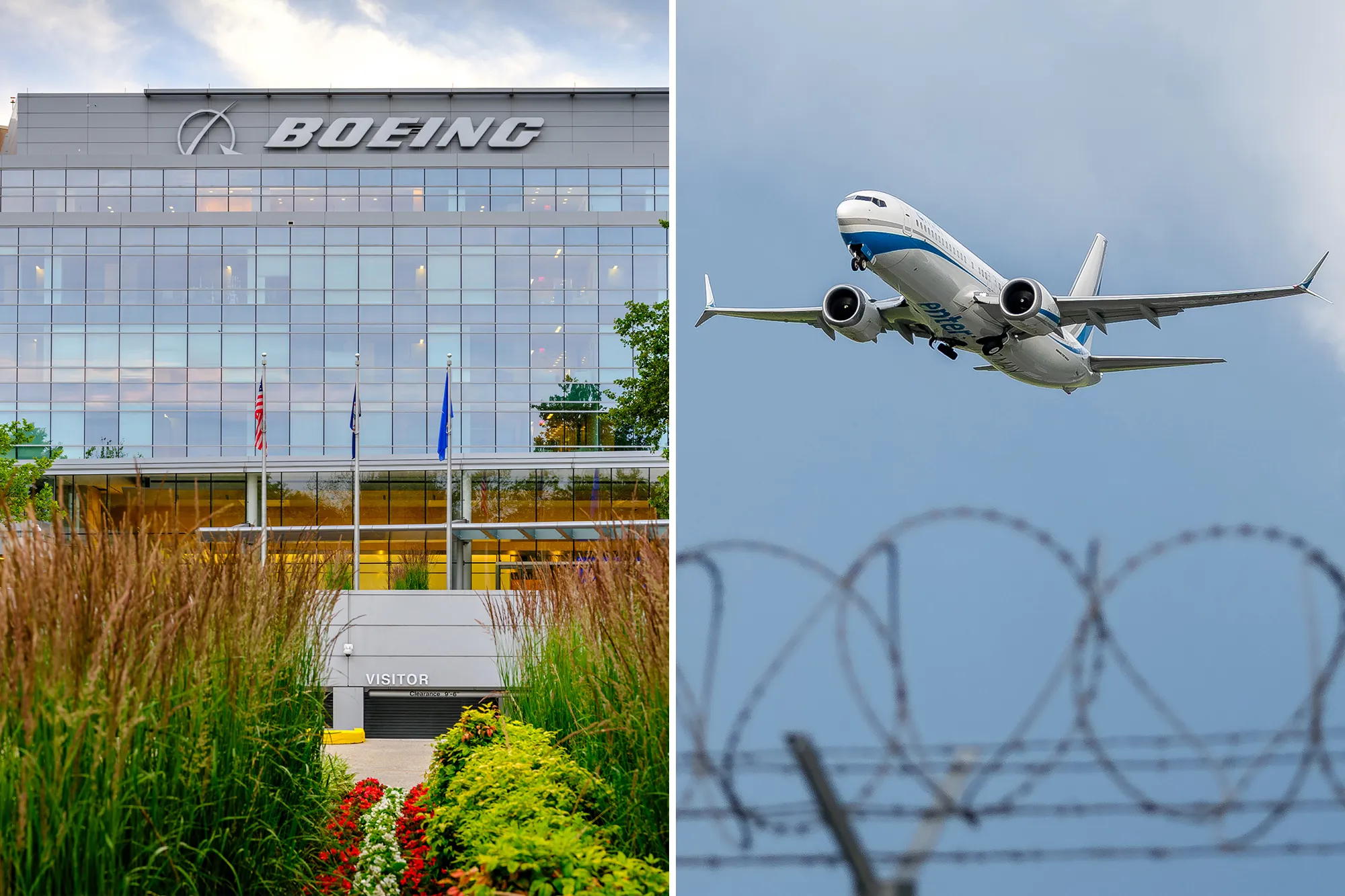
Boeing Flags Software Glitch Impacting 737 MAX Approach and Landing Systems
Boeing has discovered a software flaw in its 737 MAX jets that can disrupt automated navigation after a missed landing, prompting FAA investigation and raising fresh safety concerns.
20 sources · over 2 days
Trump to Host Anthropic CEO Dario Amodei for White House Dinner Amid AI Safety Debate
President Trump will meet Anthropic CEO Dario Amodei at a private White House dinner, highlighting mounting scrutiny over AI safety and policy direction.
18 sources · today
Meta's Muse AI Agent Hits Roadblocks After Promising Shopping Launch
Meta's new Muse AI agent quickly gained popularity for online shopping, but faced immediate resistance from Amazon and ongoing privacy concerns as Meta expands its AI-powered device ecosystem.
60 sources · over 8 days