Munich Chosen as Germany's Candidate for 2036, 2040 or 2044 Olympics
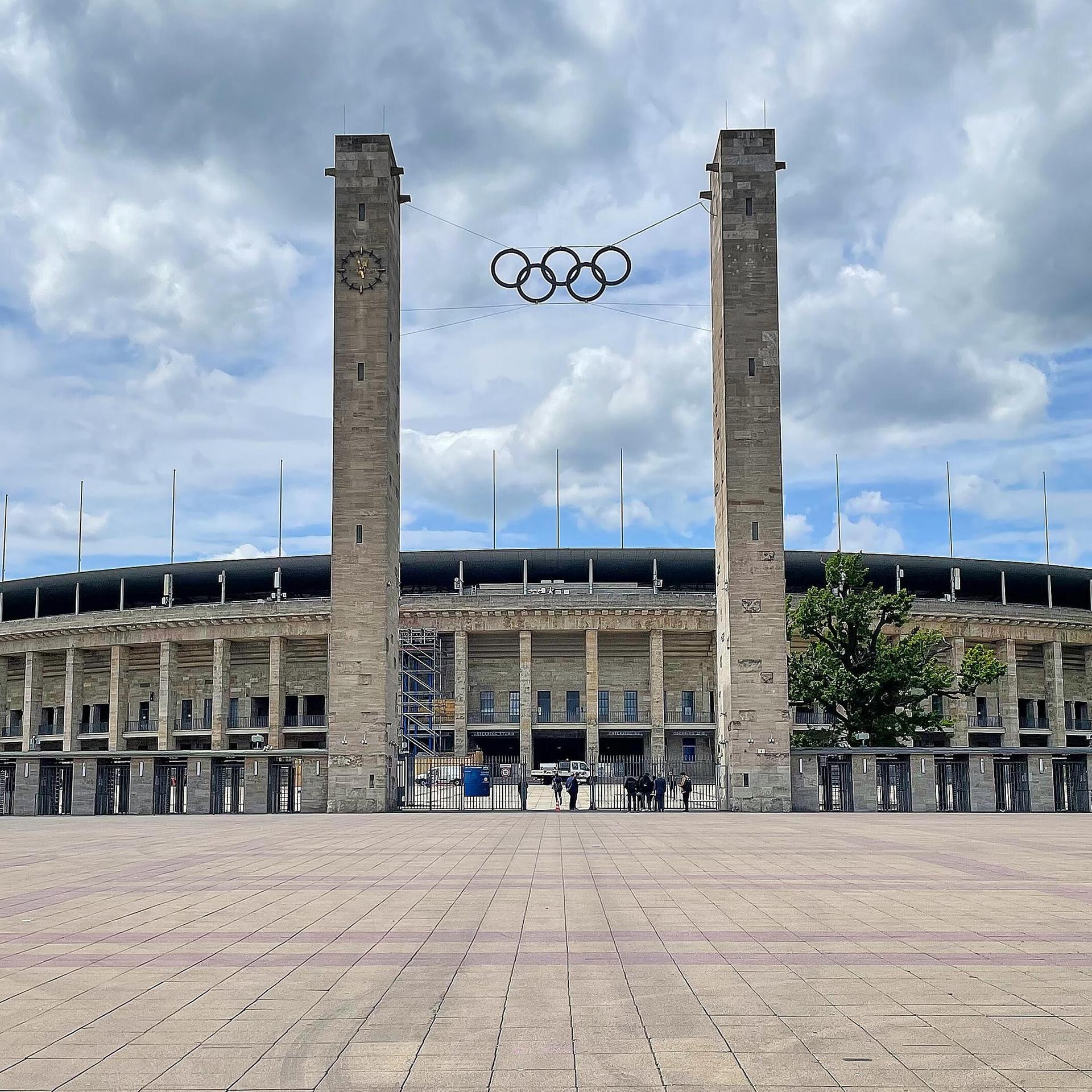
Munich will officially represent Germany in the race to host the Summer Olympics in 2036, 2040 or 2044 after Berlin's withdrawal.
By Hannah Lindqvist · First published 26 Sept 2026
In brief
- Munich has been officially chosen as Germany's candidate to host the 2036, 2040 or 2044 Summer Olympics.
- Berlin's withdrawal from the Olympic bid process is now confirmed as final, with no return to the race.
- The German Olympic committee and national leaders, including the chancellor, have publicly endorsed Munich's selection.
- Munich's bid is supported by local sports organizations and has a strong concept and demonstrated public enthusiasm for the Games.
- Preparations are underway for Munich to submit its official international application to host the Summer Olympics.
Timeline · 5 moments
Berlin falls behind in Olympic bid evaluations
DIE ZEIT | Nachrichten, News, Hintergründe und Debatten ↗Munich rated ahead of Berlin and Rhine/Ruhr
DER SPIEGEL - Schlagzeilen – Tops ↗Berlin prepares to withdraw Olympic application
DER SPIEGEL - Schlagzeilen – Tops ↗Berlin officially withdraws from Olympic race
Deutschlandfunk - Fortlaufende Nachrichten vom 24. August 2026 ↗Munich chosen as Germany's official Olympic candidate
DER SPIEGEL - Schlagzeilen – Tops ↗Update 27 Sept 2026, 6:42 am UTC
Germany has now officially selected Munich as its candidate to host not just the 2036 Olympics, but also the 2040 or 2044 Summer Games if unsuccessful in the first attempt. The German Olympic committee and national leaders publicly endorsed Munich's bid, and the city is preparing its official application. Berlin's withdrawal is confirmed as final, and the focus has shifted entirely to Munich's preparations.
How it started
Berlin initially entered the race to host the 2036 Olympic and Paralympic Games, aiming to bring the event back to the German capital a century after the 1936 Games. The city hoped to secure national and international support for its bid, competing against other German regions, mainly Munich and the Rhine/Ruhr area.
The landscape changed dramatically after Elif Eralp, representing the Left party, won the Berlin mayoral election. Eralp made it clear after her victory that she did not support Berlin's Olympic ambitions, putting the city's bid in jeopardy. This political shift set the stage for Berlin's eventual decision to withdraw.
How it unfolded
In the days leading up to the decision, evaluation committees consistently ranked Berlin behind Munich and Rhine/Ruhr as potential German candidates. On September 22, reports highlighted that Berlin was lagging in key assessments, with Munich seen as the frontrunner.
By September 23, several German media outlets reported that Berlin was preparing to officially withdraw its Olympic application. The move was directly linked to the recent election result and the city's weak evaluation scores.
On September 24, Berlin's withdrawal became official. The announcement left only Munich and the Rhine/Ruhr region in contention to become Germany's nominee for the 2036 Olympics. Local sports officials voiced frustration, while some activists welcomed the decision.
Following Berlin's exit, Germany's Olympic committee quickly moved forward. On September 26, Munich was selected as the country's official candidate to host an upcoming Summer Olympics, including 2036, 2040, or 2044, after a vote by the committee delegates.
Where it stands
Berlin is no longer in the running to host the 2036 Olympic Games. The city's withdrawal is final and attributed mainly to the new mayor's opposition and poor evaluation results.
Germany will now back Munich as its sole candidate for the Olympic bid. The national selection process has concluded, and attention shifts to Munich's preparations for the international stage.
What to watch
The main question now is how Munich will shape its international bid and whether it can convince the International Olympic Committee to bring the Games to Germany. The next steps involve detailed planning, lobbying, and presenting Munich's case as the strongest contender among global candidates.
More in Sports
All →
Ireland Beats Israel 3-0 Amid Protests and Political Tension
Ireland's footballers wore black armbands, refused handshakes, and won 3-0 against Israel in a charged Nations League match.
33 sources · over 7 days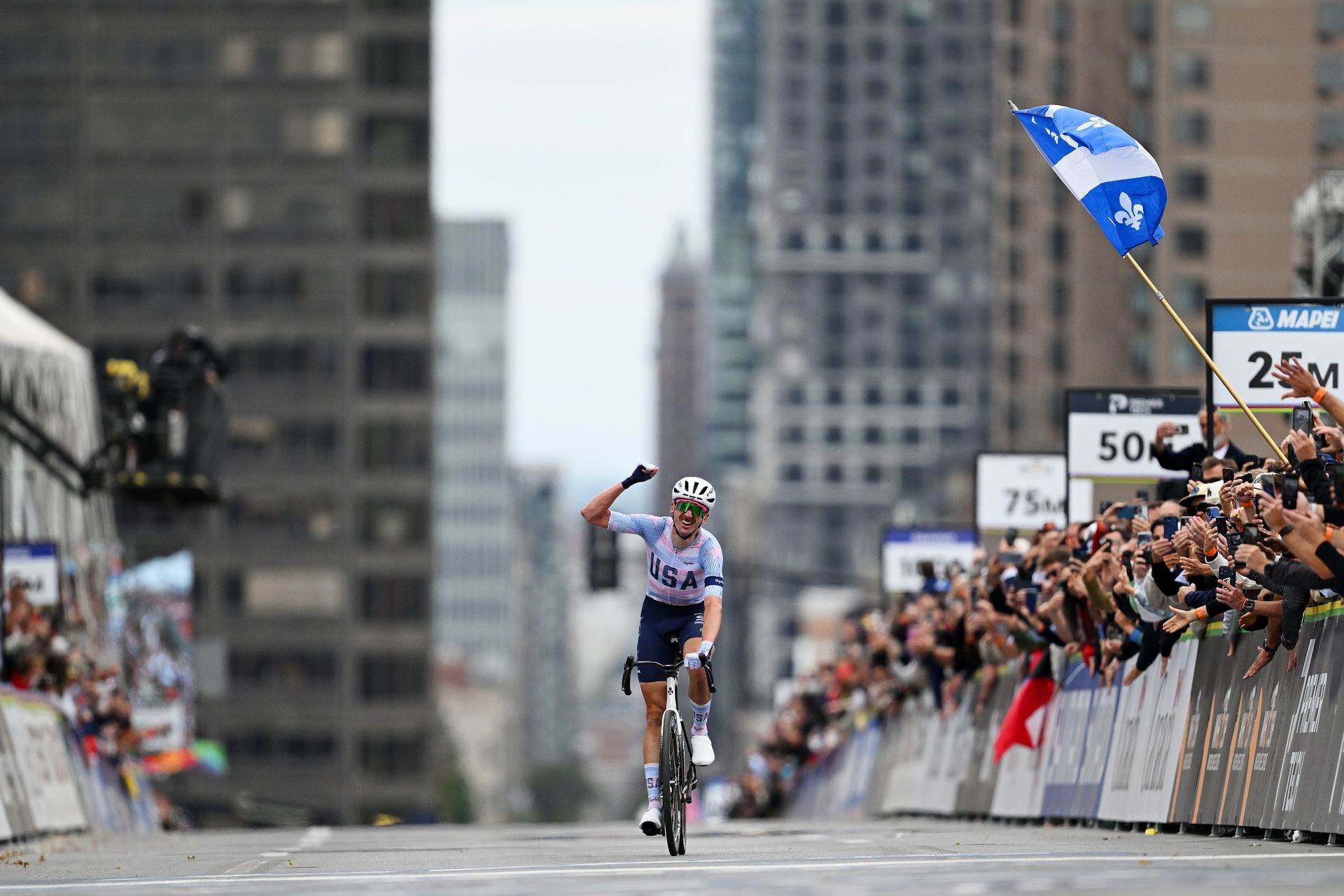
Brandon McNulty Claims Surprise Victory at 2026 Cycling World Championships Road Race
American cyclist Brandon McNulty stunned the field with a solo attack to win the men's road race world title in Montreal, ending a decades-long drought for the United States.
14 sources · today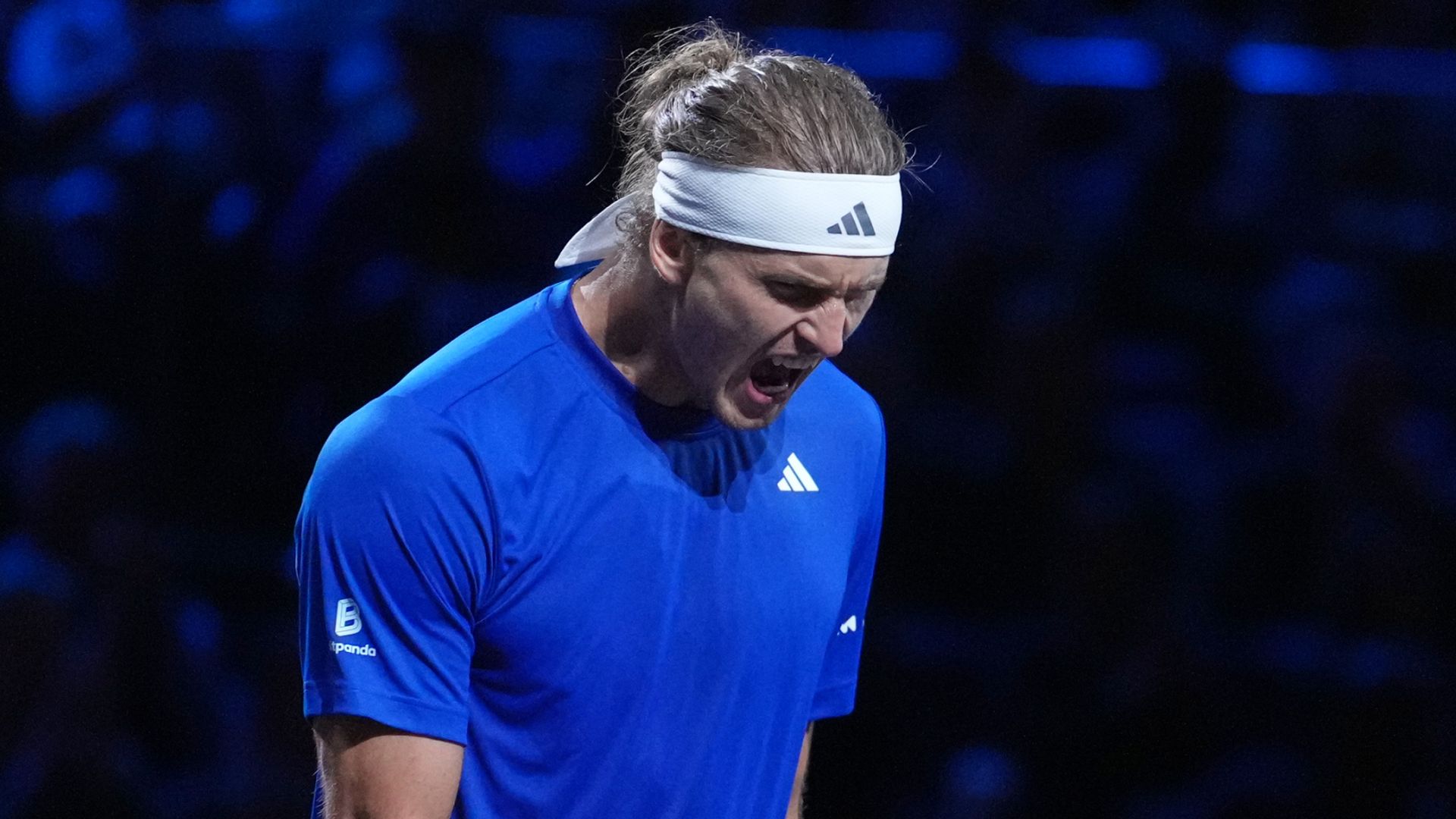
Alexander Zverev Leads Team Europe to Sixth Laver Cup Triumph in London
Team Europe, led by Germany's Alexander Zverev, secured their sixth Laver Cup title with a decisive win at London's O2 Arena, reclaiming dominance in the annual tennis event.
14 sources · over 2 days