Egyptian TV Presenter Sarah Khalifa Sentenced to Death for Drug Trafficking
A well-known Egyptian TV host and eleven others have been sentenced to death for drug trafficking, raising questions about Egypt's justice system and media freedom.
By Kwame Mensah · First published 6 Sept 2026
In brief
- Sarah Khalifa, a well-known Egyptian TV presenter, was sentenced to death along with eleven others for drug trafficking.
- The group was convicted of manufacturing, promoting, and trading synthetic drugs, and of possessing illegal firearms and ammunition.
- Khalifa publicly pleaded for mercy and insisted on her innocence during the sentencing hearing.
- All twelve convicted individuals are expected to appeal the death sentences, with legal challenges anticipated.
- The case continues to draw major attention due to Khalifa's public profile and Egypt's strict drug-related death penalty laws.

Timeline · 6 moments
Egyptian court sentences Sarah Khalifa and 11 others to death
South China Morning Post ↗Details emerge on gang's drug manufacturing and weapons charges
BBC World ↗Case draws major media attention as verdict is widely reported
Al Jazeera ↗Khalifa's high profile and TV work highlighted by international outlets
The Independent ↗Observers note Egypt's high rate of death sentences for drug crimes
Franceinfo ↗Khalifa pleads innocence and prepares for appeal
Daily Mail ↗Update 8 Sept 2026, 0:01 pm UTC
Recent coverage confirms Sarah Khalifa's death sentence and highlights her public plea of innocence in court. Legal experts expect appeals and further legal proceedings in the coming weeks.
How it started
Sarah Khalifa is a well-known television presenter in Egypt, best recognized for hosting the program 'Mission Impossible,' which covers crime and security topics. Her public profile made her a notable figure in Egyptian media.
In early 2026, Khalifa became the subject of a criminal investigation. Authorities accused her and several others of being involved in a large-scale drug trafficking operation. The group reportedly imported ingredients used to manufacture narcotics and possessed illegal firearms.
How it unfolded
On September 5, 2026, news broke that an Egyptian court had sentenced Sarah Khalifa and eleven others to death for manufacturing and trafficking drugs. The ruling came after the court found them guilty of forming a criminal gang and participating in the production and sale of narcotics.
According to reports, the case was closely watched by the public due to Khalifa's status as a TV personality. Details from court documents and official statements indicated that the group was also found in possession of illegal weapons. The verdict followed months of investigation and trial proceedings.
International and local media quickly picked up the story, highlighting both the severity of the sentences and the broader context of Egypt's strict drug laws. Observers noted that Egypt has a high rate of death sentences, especially for drug offenses.
The sentencing has also drawn attention to questions about due process and the treatment of high-profile defendants in Egypt's courts.
Where it stands
As of now, Sarah Khalifa and the other eleven convicted individuals remain under sentence of death. The Egyptian justice system allows for appeals, so the case may continue in higher courts.
The international reaction has mainly focused on the severity of the punishment and its implications for both media figures and criminal justice in Egypt. Human rights groups and legal observers are closely monitoring the case for any updates or changes.
What to watch
The next key step is whether Khalifa and the others will file an appeal and how the higher courts will respond. The outcome could set a precedent for both drug-related cases and the treatment of media personalities accused of serious crimes in Egypt.
More in World
All →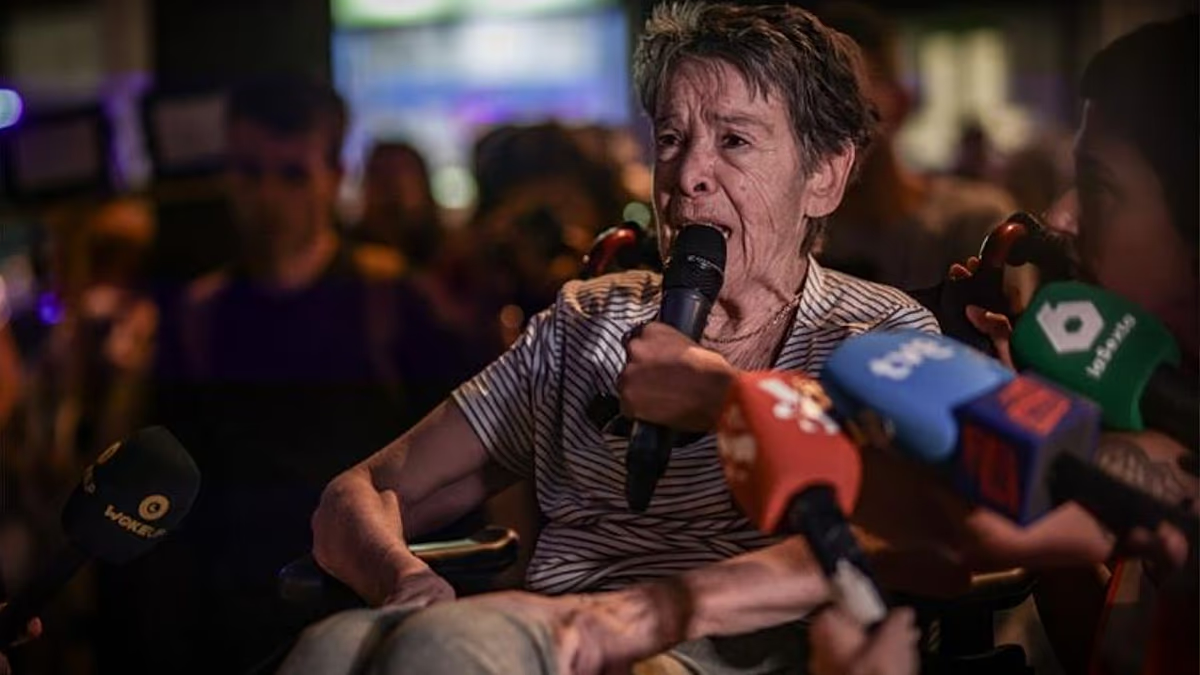
Madrid Pensioner Evicted After 71 Years, Sparking Nationwide Protests Over Housing Crisis
The forced eviction of 87-year-old Maricarmen Abascal from her longtime Madrid home has triggered widespread protests across Spain and renewed debate about tenant rights and rising housing costs.
28 sources · over 5 days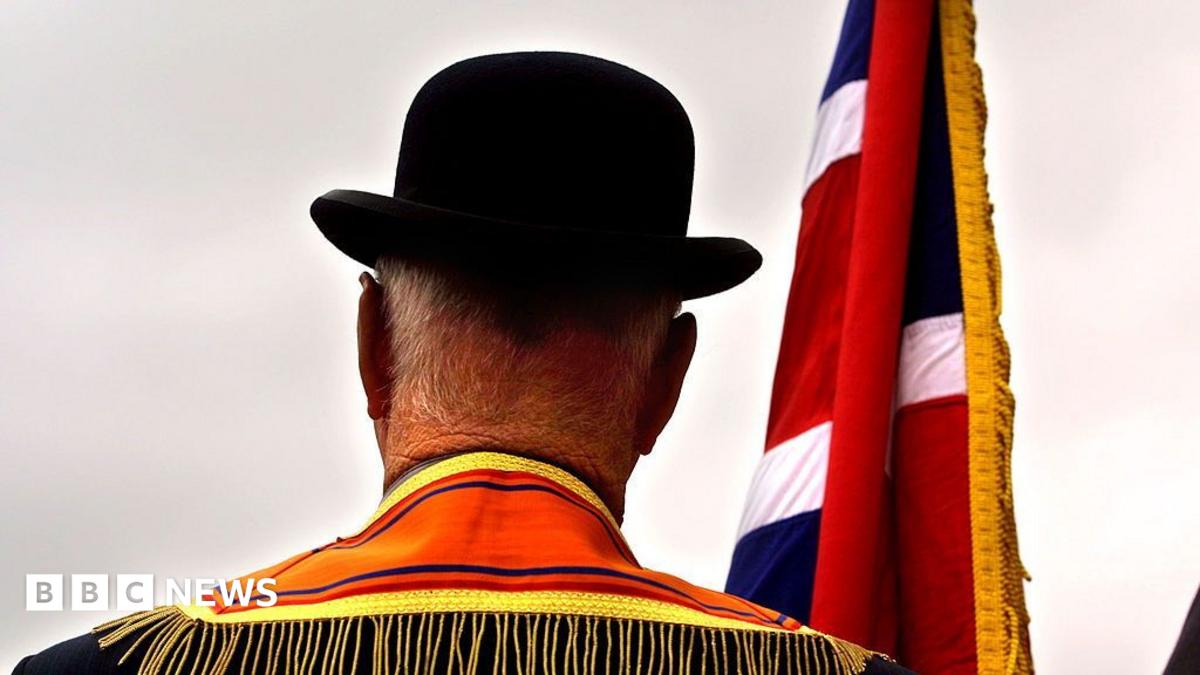
Orange Order Parade Blocked by Thousands on Garvaghy Road
Protesters physically blocked the Orange Order parade in Portadown, leading to a tense standoff and the march being halted.
24 sources · over 7 days
South Korea Demands Apology After Ukraine Reveals POW Transfer Deal
South Korea has demanded an official apology from Ukraine after details emerged about the confidential transfer of North Korean prisoners of war, straining ties between the two countries.
11 sources · today