EU Removes Usmanov and Fridman From Sanctions List Amid Member State Dispute
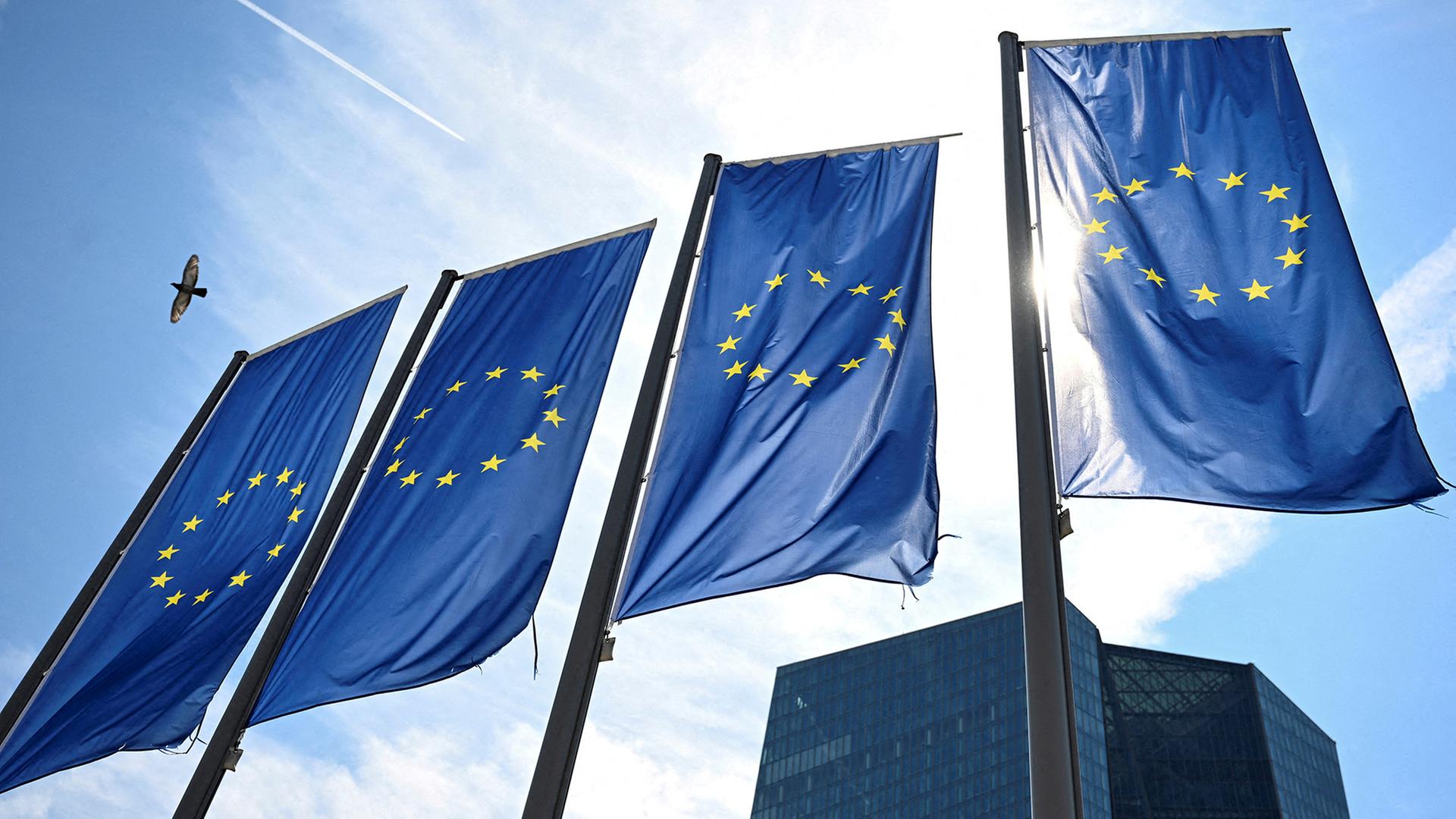
The EU has extended Russia sanctions for three years but dropped oligarchs Usmanov and Fridman after tense negotiations, angering Ukraine and dividing European governments.
By Tomas Ferreira · First published 22 Sept 2026
In brief
- The EU extended its Russia sanctions for three years, the longest renewal so far, following difficult negotiations.
- France and Luxembourg advocated for removing Alisher Usmanov and Mikhail Fridman from the sanctions list during the talks.
- A French prisoner was pardoned in Azerbaijan, reportedly linked to the sanctions compromise involving Usmanov.
- Ukraine and some EU members strongly criticized the removal of the oligarchs, warning it could weaken the EU's stance.
- Despite controversy, sanctions against nearly 3,000 Russian individuals and entities were renewed until 2029.
Timeline · 8 moments
Lithuania opposes French push to delist Usmanov
Euronews ↗Ukraine condemns proposal to lift oligarch sanctions
Arab News ↗EU plans discussed to remove Usmanov and Fridman
DIE WELT ↗EU fails to reach deal on removing oligarchs
© Virginia Mayo, AP ↗France succeeds in push to remove Usmanov
Euronews ↗EU extends Russia sanctions but drops two oligarchs
ARD Tagesschau ↗France and Luxembourg pushed for oligarchs' removal
Deutsche Welle ↗French prisoner in Azerbaijan pardoned after EU deal
ARD Tagesschau ↗Update 23 Sept 2026, 6:14 pm UTC
France and Luxembourg were behind the push to remove Usmanov and Fridman from the sanctions list, and a French prisoner was pardoned in Azerbaijan as part of the broader negotiations. The EU's decision sparked strong criticism from Ukraine and several EU states, who said the move sends the wrong message to Moscow.
How it started
The European Union imposed sanctions on Russian oligarchs Alisher Usmanov and Mikhail Fridman as part of its broader response to Russia's actions in Ukraine. These measures targeted hundreds of influential Russians with asset freezes and travel bans. As the deadline for renewing the sanctions approached in September 2026, discussions began on whether to keep or remove certain individuals from the list. France led efforts to remove Usmanov, reportedly tying the move to negotiations for the release of French citizens detained in Azerbaijan. This proposal immediately drew sharp criticism from several EU members and Ukraine.
How it unfolded
On September 21, 2026, Lithuania's finance minister told Euronews that Vilnius was firmly against France's push to remove Usmanov from the sanctions list, warning it would make the EU appear weak. The same day, Ukraine's foreign minister condemned the proposal, saying it would undermine diplomatic pressure on Moscow, according to Arab News.
Despite the strong objections, France continued its efforts, reportedly motivated by a deal with Azerbaijan to secure the release of French prisoners. This led to a stalemate among EU diplomats, with several rounds of talks failing to reach consensus, as AP reported on September 22.
Eventually, a compromise emerged. To avoid the entire sanctions regime expiring, the EU agreed to France's request to remove Usmanov and also dropped Fridman from the list. In exchange, the bloc secured a three-year renewal of its sanctions against around 3,000 other Russian individuals and organizations. Outlets including Euronews and ARD Tagesschau confirmed this last-minute agreement on September 22.
Ukraine reacted angrily, calling the decision shameful and warning that Russia would celebrate the move. Some EU states also expressed concern that the removal of the two oligarchs could weaken the effectiveness of the sanctions.
Where it stands
The EU's Russia sanctions have now been extended for three years, a longer term than previous renewals. Alisher Usmanov and Mikhail Fridman are no longer on the bloc's sanctions list. The decision came after intense debate and was primarily driven by diplomatic concerns and the need to avoid a total collapse of the sanctions regime. Ukraine and several EU members remain deeply dissatisfied with the outcome, and the controversy has exposed continued divisions within the EU over how to handle Russia.
What to watch
It remains to be seen whether individual EU states will impose their own national sanctions on Usmanov and Fridman, as some have suggested. The political fallout from this decision could affect future EU unity on Russia policy and relations with Ukraine.
More in World
All →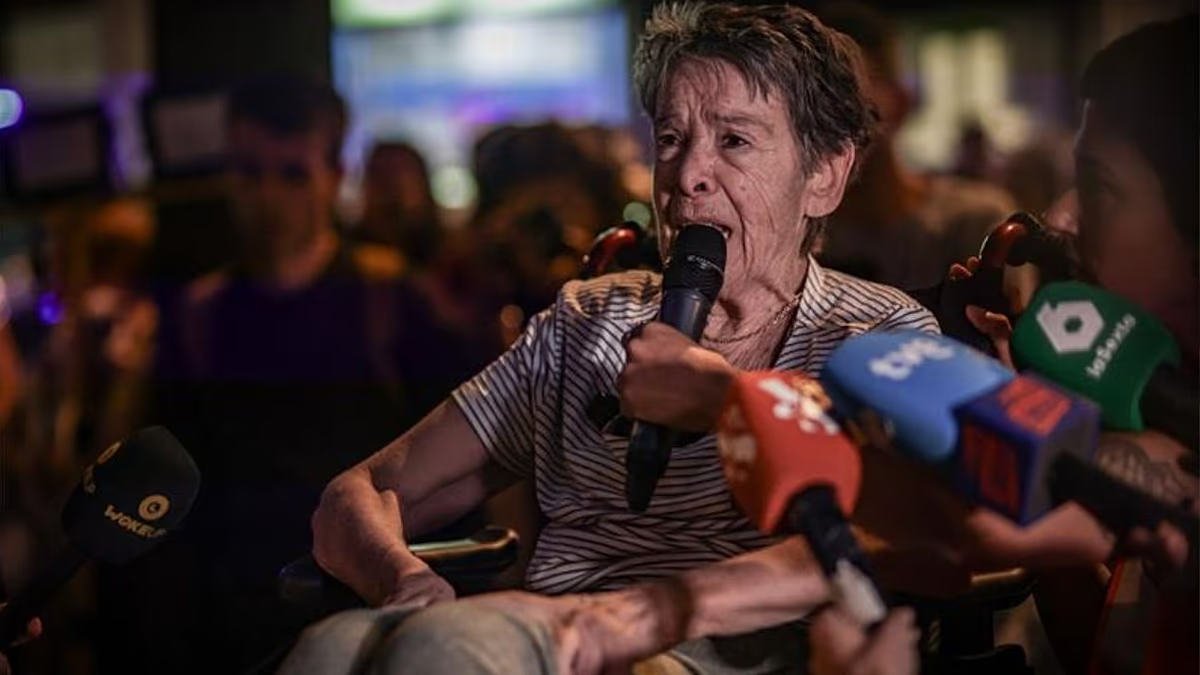
Madrid Pensioner Evicted After 71 Years, Sparking Nationwide Protests Over Housing Crisis
The forced eviction of 87-year-old Maricarmen Abascal from her longtime Madrid home has triggered widespread protests across Spain and renewed debate about tenant rights and rising housing costs.
28 sources · over 5 days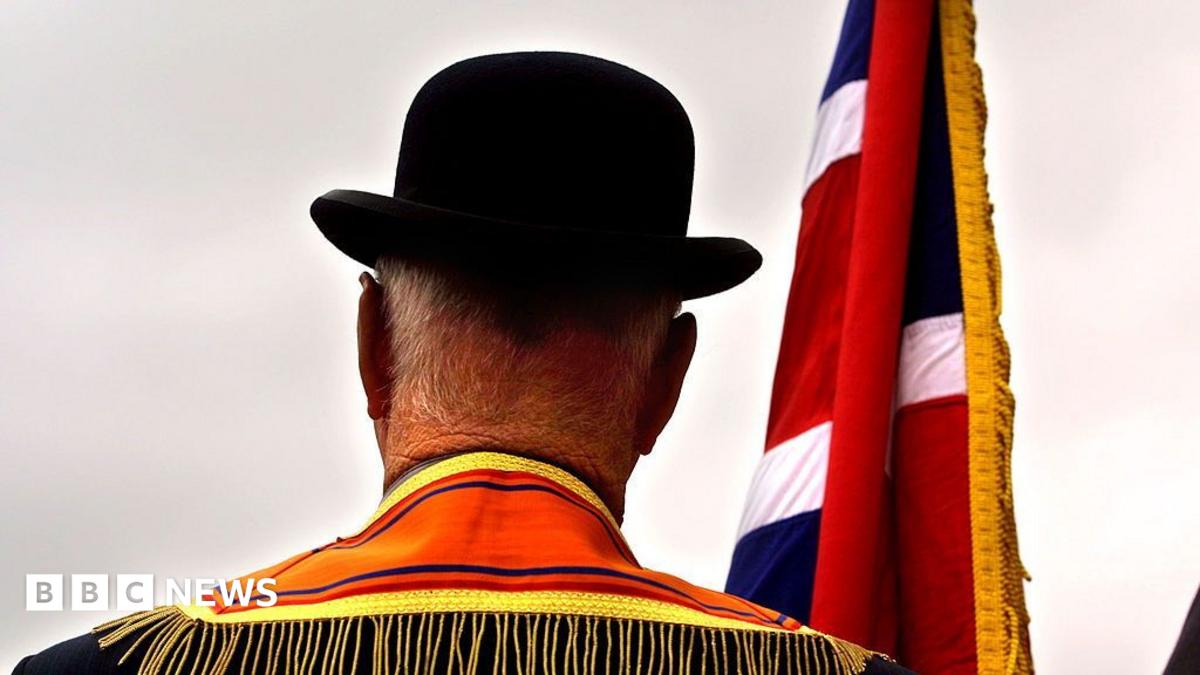
Orange Order Parade Blocked by Thousands on Garvaghy Road
Protesters physically blocked the Orange Order parade in Portadown, leading to a tense standoff and the march being halted.
24 sources · over 7 days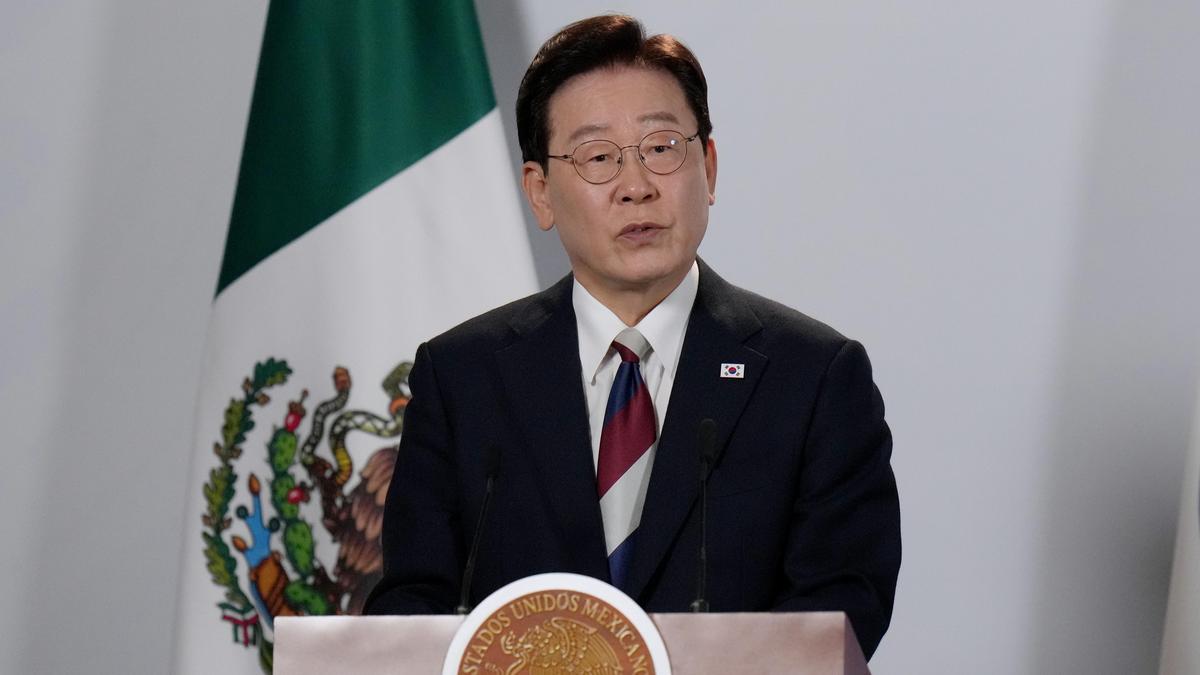
South Korea Demands Apology After Ukraine Reveals POW Transfer Deal
South Korea has demanded an official apology from Ukraine after details emerged about the confidential transfer of North Korean prisoners of war, straining ties between the two countries.
11 sources · today