Google Rapidly Expands Gemini AI With Student Tools and New Models
Google has rolled out major updates to its Gemini AI platform, launching new models and offering free AI access to students, signaling a push to make its AI central to education and creative work.
By Oliver Hartmann · First published 2 Sept 2026 · Chapter 2 of 2
In brief
- Google has released Gemini 3.8 Flash and 3.8 Flash Cyber, expanding the AI platform's capabilities in coding and cybersecurity.
- The Gemini 3.8 Flash Cyber model is restricted to approved security teams and focuses on finding and patching software vulnerabilities.
- Students and educational institutions continue to receive access to Gemini AI Pro and new features as part of ongoing initiatives.
- Gemini's rapid update cycle includes frequent new models and specialized tools for both general and security-focused applications.
- Pricing for input and output tokens on the new Flash models will stay the same through December 31, 2026.
Timeline · 10 moments
Google introduces AI-powered study tools for students
Mashable Tech ↗Google offers free year of AI Pro to college students
The Next Web ↗Google launches new study hub and tools in Gemini
CNET News Tech ↗Gemini 3.7 Flash model released for coding and agent tasks
DEV Community ↗Gemini Notebook adds Expert Intelligence for book insights
The Verge - All Posts Tech ↗Google begins internal testing of Gemini 3.8 Flash
3DNews: Новости Hardware ↗Google releases Gemini 3.8 Flash and Flash Cyber
Ars Technica ↗Gemini 3.8 Flash outperforms rivals on some benchmarks
Techmeme ↗Gemini app surpasses 1 billion monthly active users
DEV Community ↗Google launches Gemini 3.8 Flash and Flash Cyber models
The Hindu - Technology ↗Update 3 Sept 2026, 3:52 pm UTC
Google has launched Gemini 3.8 Flash and Gemini 3.8 Flash Cyber, adding new models focused on agentic tasks, coding, and cybersecurity. The Cyber variant is specifically designed for autonomous vulnerability discovery and automated patching, and is only available to vetted security teams. Pricing for the new Flash models remains unchanged until the end of the year.
How it started
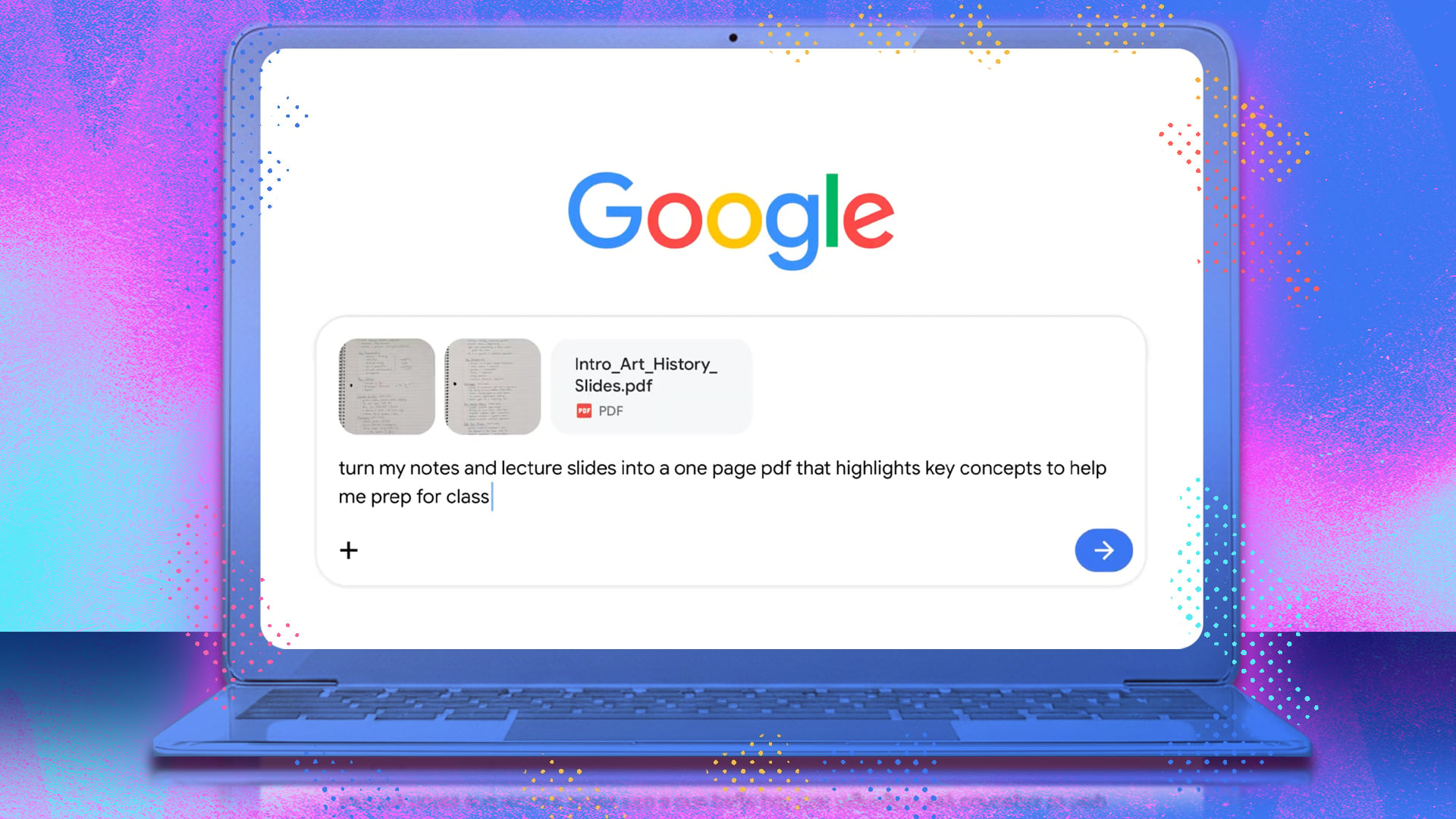
Google has been investing heavily in its Gemini AI platform, aiming to compete with top AI models from other tech giants. In August 2026, Google began targeting students and educational institutions, rolling out new AI-powered study tools alongside its Gemini assistant and within Google Search. The company positioned these tools as a way to enhance learning, improve classroom tech, and prepare students for the job market, according to Mashable Tech and DEV Community.
To encourage adoption, Google announced it would offer eligible college students a free one-year subscription to its premium Gemini AI plan, known as AI Pro. This initiative was part of a larger 'Back to School 2026' campaign, aiming to make advanced AI resources accessible to more students in the US and globally, as reported by The Next Web and Isena Code.
How it unfolded
On August 19, 2026, Google introduced a range of new study features, including a student hub, interactive notebooks, and 3D visualizations within Gemini. These updates were designed to support students during the back-to-school season, as highlighted by CNET News Tech and Techmeme.
Shortly afterward, Google launched Gemini 3.7 Flash, a new AI model focused on coding, agent tasks, and improved instruction following, according to DEV Community. This model became available across multiple platforms, including Google AI Studio and Vertex AI.
The company also updated its research tool, renaming it Gemini Notebook and adding features for cross-app syncing and enhanced organization. Digital Trends and other outlets noted the release of Gemini Live's Deep Research feature, which enables users to conduct research through voice and receive reports later.
By late August, Google had begun testing Gemini 3.8 Flash internally, signaling an accelerated development cycle. On September 2, 2026, Google publicly launched Gemini 3.8 Flash and a specialized cybersecurity variant called Gemini 3.8 Flash Cyber. According to Ars Technica and The Verge, this marked the third Gemini Flash release in six weeks, with the new models promising improved reasoning and coding capabilities. Google claimed that Gemini 3.8 Flash could outperform rival models like Anthropic's Opus 5 and OpenAI's GPT-5.6 Sol on some benchmarks, as reported by Techmeme and Cyber Security News.
Where it stands
Today, Google's Gemini AI ecosystem includes a fast-evolving set of models and educational tools. Students in the US and many other countries can access a free year of the AI Pro plan, and new features such as Deep Research and Expert Intelligence are available in Gemini Notebook. According to DEV Community, the Gemini app has surpassed 1 billion monthly active users, making it Google's fastest-growing product.
Google continues to update Gemini rapidly, focusing on both general use cases and specialized applications like cybersecurity. The company is also integrating Gemini more deeply into its core products, including Google Search and Play Books, aiming to make AI an essential part of daily study and creative work.
What to watch
The pace of new Gemini releases suggests Google is intent on keeping up with AI competitors. With Gemini 4 reportedly in pre-release testing and ongoing country-by-country rollouts of the student AI Pro offer, users and educators will be watching to see how these tools impact learning outcomes and whether Google can maintain its momentum against rivals.
More in Technology
All →
Nvidia Launches Open-Source Platform to Rein In Rogue AI Agents
Nvidia has introduced a new open-source security system for AI, aiming to prevent dangerous behaviors by autonomous agents as industry concerns about AI safety grow.
8 sources · today
Boeing Flags Software Glitch Impacting 737 MAX Approach and Landing Systems
Boeing has discovered a software flaw in its 737 MAX jets that can disrupt automated navigation after a missed landing, prompting FAA investigation and raising fresh safety concerns.
20 sources · over 2 days
Trump to Host Anthropic CEO Dario Amodei for White House Dinner Amid AI Safety Debate
President Trump will meet Anthropic CEO Dario Amodei at a private White House dinner, highlighting mounting scrutiny over AI safety and policy direction.
18 sources · today