Googlebook Laptops Launch With ChromeOS, Android Integration, and Gemini AI
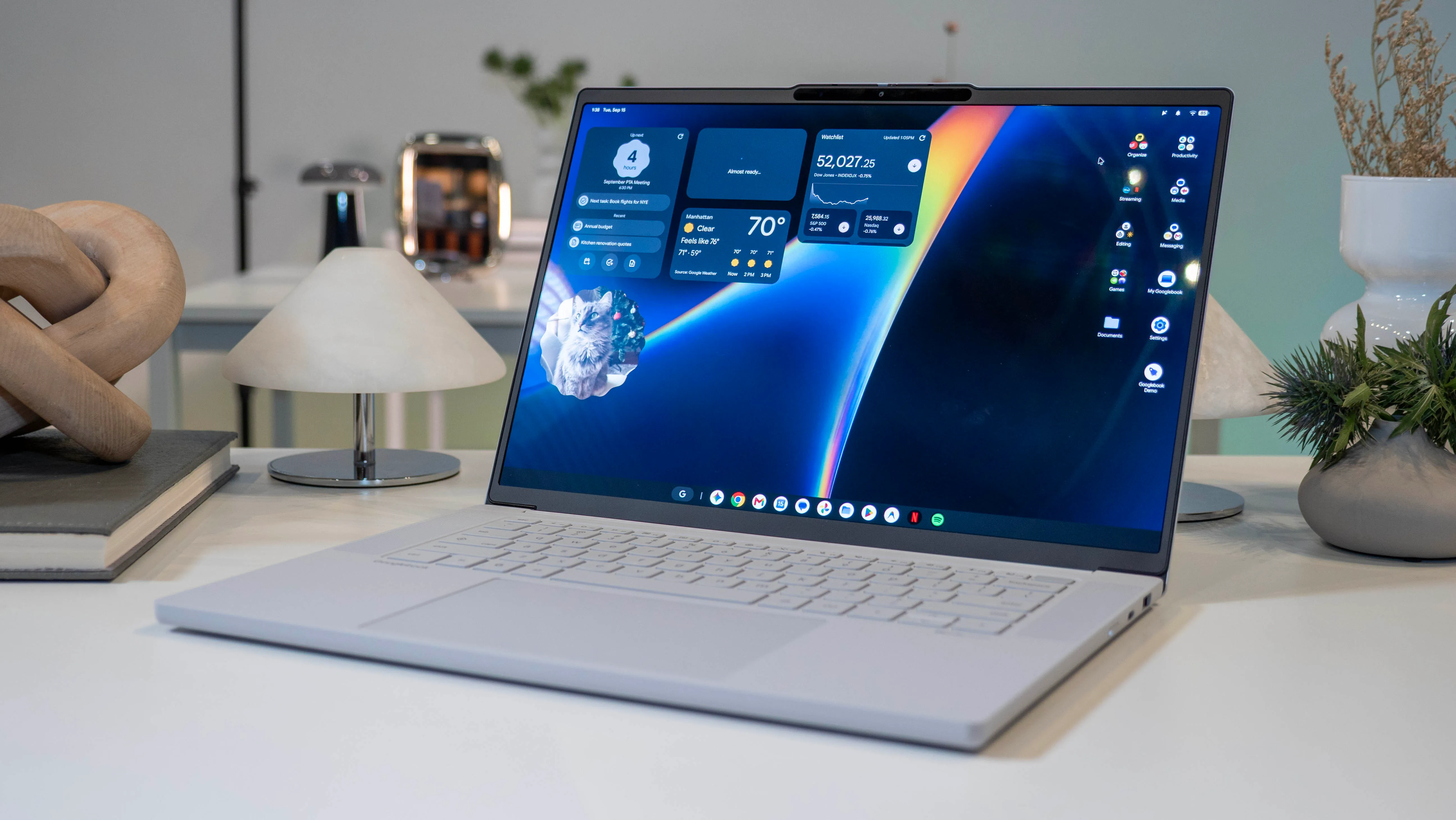
Googlebooks are now official, running a ChromeOS-based system with Android integration and Gemini AI, starting at $899.
By Ethan Cole · First published 21 Sept 2026
In brief
- Googlebook laptops are now available for purchase in the US and select other markets, with prices starting at $899.
- The devices run Googlebook OS, which combines ChromeOS and Android technologies for seamless app and phone integration.
- Gemini AI is built into all Googlebook models, offering advanced artificial intelligence features out of the box.
- Five initial models are available from Dell, HP, Lenovo, Acer, and ASUS, targeting the premium laptop segment.
- Early reviews praise the integration with Android phones and AI features, but some express concerns about the high starting price.
Timeline · 5 moments
Google announces Googlebook laptops and opens pre-orders
The Keyword ↗First hands-on reviews highlight design and AI features
CNET News Tech ↗Google reveals five launch models from major manufacturers
The Verge - All Posts Tech ↗Pricing set at $899 and up for all models
Bloomberg Technology ↗Googlebook laptops now available in stores and online
Tabletowo ↗Update 22 Sept 2026, 7:24 am UTC
Googlebook laptops have officially launched in the US and other countries, moving from pre-orders to retail availability. Early coverage is now focusing on real-world use, pricing challenges, and the device's integration of Android and Gemini AI.
Update 21 Sept 2026, 6:24 pm UTC
Google has officially launched the Googlebook lineup, confirming the five manufacturers and the $899 starting price. The laptops run a modified version of ChromeOS with deep Android phone integration and built-in Gemini AI, not a modified Android OS as previously stated. Early hands-on reviews focus on the seamless Android experience and premium design.
How it started
Google has been searching for a winning formula in the laptop market for years. While Chromebooks have found a place in education and budget computing, they never quite captured the premium segment. In May, Google teased a new approach that would bring together its expertise in software and hardware.
This effort culminated in the Googlebook, a laptop designed to work hand-in-hand with Android devices and Google's AI tools. The announcement marks Google's most ambitious attempt yet to compete directly with established high-end laptops.
How it unfolded
On September 21, Google officially announced the Googlebook lineup and opened pre-orders in the United States. The initial offering includes five models, each built by a different manufacturer: Dell, HP, Lenovo, Acer, and ASUS. The base price for all models is set at $899, positioning the Googlebook firmly in the premium category.
According to coverage, the Googlebook runs a modified version of Android, tailored to deliver a desktop experience and integrate closely with Android phones. This is a departure from Google's earlier Chromebook line, which relied on ChromeOS and targeted budget-conscious buyers.
The laptops are built with high-quality materials and focus on delivering a modern, MacBook-like experience. They feature built-in Gemini AI, which enables voice dictation, smart search, and other productivity tools directly from the desktop environment.
Early hands-on reviews praised the hardware and highlighted how the Googlebook's AI features and phone integration set it apart from conventional laptops. Outlets noted that the devices aim to offer a seamless experience for Android users, making tasks like sharing files or syncing notifications much more fluid.
Retail availability in the US is scheduled for October 4, with other regions including Canada, the UK, Ireland, France, Germany, and Australia to follow a day later.
Where it stands
As of now, Googlebook pre-orders are open, and anticipation is building ahead of the October 4 retail launch in the United States. The five initial models are positioned as high-end alternatives to both Chromebooks and competing laptops from Apple and Microsoft.
Early feedback from reviewers is positive, especially regarding the AI features and tight Android phone integration. However, it remains to be seen how the market will respond once the laptops are widely available and in the hands of everyday users.
What to watch
The next major step is the official release on October 4, which will reveal how consumers and businesses react to Googlebook in real-world use. Key questions include whether the AI features deliver enough value to justify the price and if the Android-based OS can attract users who have relied on Windows or macOS.
More in Technology
All →
Boeing Flags Software Glitch Impacting 737 MAX Approach and Landing Systems
Boeing has discovered a software flaw in its 737 MAX jets that can disrupt automated navigation after a missed landing, prompting FAA investigation and raising fresh safety concerns.
20 sources · over 2 days
Trump to Host Anthropic CEO Dario Amodei for White House Dinner Amid AI Safety Debate
President Trump will meet Anthropic CEO Dario Amodei at a private White House dinner, highlighting mounting scrutiny over AI safety and policy direction.
18 sources · today
Meta's Muse AI Agent Hits Roadblocks After Promising Shopping Launch
Meta's new Muse AI agent quickly gained popularity for online shopping, but faced immediate resistance from Amazon and ongoing privacy concerns as Meta expands its AI-powered device ecosystem.
60 sources · over 8 days