India Sets New UPI Merchant Charges, Small Retailers Plan Protests
India's decision to introduce a 0.4 percent merchant fee for large UPI transactions has sparked debate over its impact on small businesses and digital payments, with protests and legal challenges emerging.
By Isabel Navarro · First published 28 Sept 2026
In brief
- India will impose a 0.4 percent Merchant Discount Rate on UPI payments above ₹2,000 starting October 15, 2026.
- Government and NPCI officials insist the new fee will not affect most small merchants or make digital payments more expensive.
- Retailers, especially in the mobile phone sector, are planning symbolic protests against the charges, fearing business disruption.
- The Supreme Court has refused to pause the new fee but has asked the government to explain its reasoning in future hearings.
- Most UPI transactions, estimated at 96 percent, are under ₹2,000 and will remain exempt from the new MDR fee.
Timeline · 8 moments
NPCI addresses concerns over GST and MDR on UPI payments
Indian Express ↗Government clarifies new MDR will not burden small merchants
News On AIR ↗NPCI CEO highlights most UPI transactions are exempt from MDR
Business Line - Home ↗Banks told to prevent passing MDR charges to consumers
Times of India Top Stories ↗Finance Minister explains MDR is not a government tax
Times of India Top Stories ↗Government and banks to decide on UPI subsidy after MDR
The Hindu ↗Mobile retailers announce protest against UPI MDR charges
Business Line - Home ↗Supreme Court refuses interim stay on MDR for UPI transactions
Times of India Top Stories ↗How it started
The Unified Payments Interface, or UPI, has been a backbone of India's rapid digital payments growth, allowing consumers to transfer money instantly without fees. For years, merchants benefited from a zero Merchant Discount Rate, meaning they paid nothing to accept UPI payments. This free model helped UPI become the most popular digital payment method in India.
In September 2026, the Indian government and the National Payments Corporation of India (NPCI) announced a new policy: a 0.4 percent MDR would be applied to UPI transactions above ₹2,000, effective from October 15, 2026. The move was presented as a way to fund innovation and ensure the sustainability of the UPI ecosystem.
How it unfolded
On September 22, officials from NPCI addressed early concerns, saying that fears over the new fee were misplaced and that small merchants would be protected. The government made repeated statements to reassure the public that the MDR would not make digital payments more costly for everyday users or small businesses.
Reports clarified that 96 percent of UPI transactions are under ₹2,000 and would not face any charges. Larger transactions, typically processed by bigger merchants or for high-value goods, would be the only ones affected.
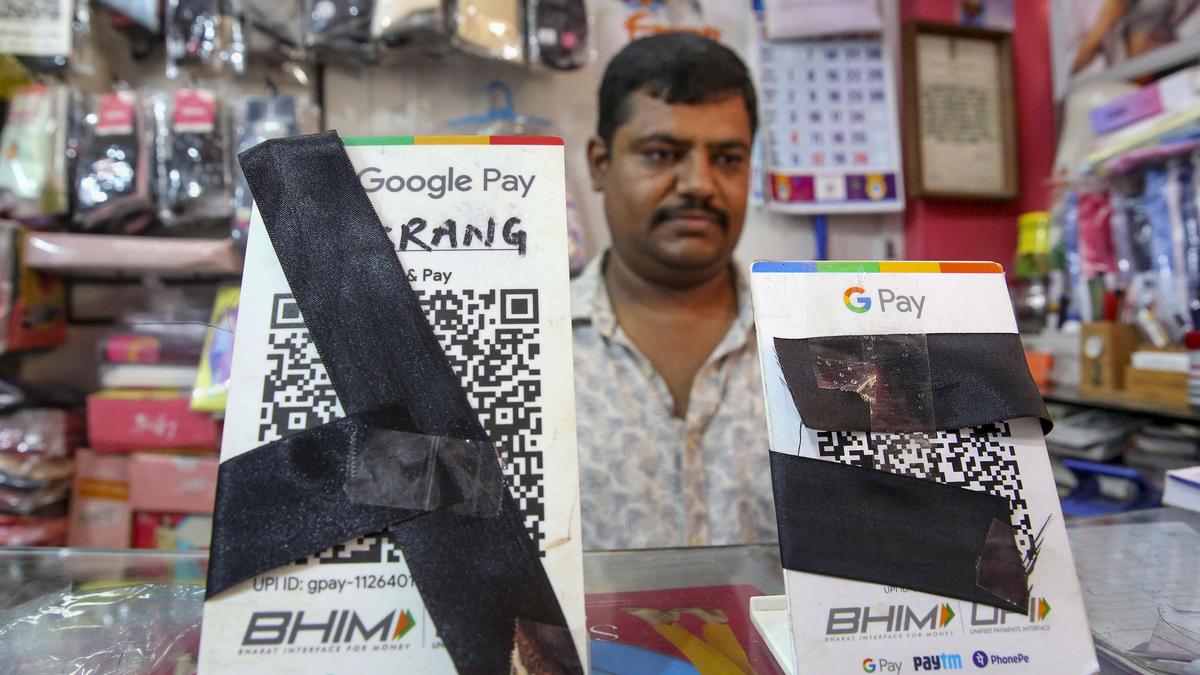
Despite these reassurances, mobile phone retailers and other merchant groups voiced strong opposition. On September 27, the All India Mobile Retailers Association announced plans for a protest on October 2, where retailers would symbolically cover UPI QR codes and stop accepting UPI payments for the day.
Legal challenges soon followed. On September 28, the Supreme Court declined to grant an interim stay on the new MDR, but it did ask the government to provide a detailed explanation for the policy, indicating ongoing legal scrutiny.
Where it stands
With the October 15 deadline approaching, the new MDR policy is set to take effect as planned. Most small merchants and everyday UPI users will not be affected, as the vast majority of transactions fall below the ₹2,000 threshold. The government and NPCI continue to stress that the fee is not a tax and will not be passed on to consumers.
Retailers, especially in the electronics and mobile sectors, are preparing for protest actions, and legal proceedings in the Supreme Court are ongoing. The government and banks are also discussing possible subsidies to further cushion the impact on merchants.
What to watch
Key issues to watch include the outcome of Supreme Court hearings and whether the government adjusts the policy in response to protests or legal findings. The scale and impact of the October 2 merchant protest will also indicate how much resistance the policy faces on the ground.
More in Business
All →
US and China Reveal Product Lists for $30 Billion Tariff Reduction Deal
The US and China have agreed to reduce tariffs on billions in goods, signaling progress in trade talks after a major summit between their leaders.
9 sources · today
Nationwide Bank Strike Deferred After Last-Minute Talks With Unions
The three-day nationwide bank strike set for September 28-30 has been called off after successful negotiations.
12 sources · over 7 days
Starbucks to Close 250 North American Stores in Strategic Adjustment
Starbucks is shutting down about 1 percent of its cafes across the US and Canada this week, signaling a shift in its business approach.
16 sources · over 3 days