Microsoft Ends Copilot Personal Assistant and 'Copilot+ PC' Branding
Microsoft is discontinuing Copilot as a personal AI assistant and retiring the 'Copilot+ PC' label, shifting focus to business automation.
By Ravi Menon · First published 25 Sept 2026
In brief
- Microsoft has discontinued the Copilot+ PC branding for Windows 11 AI PCs and shifted its focus to the Copilot app.
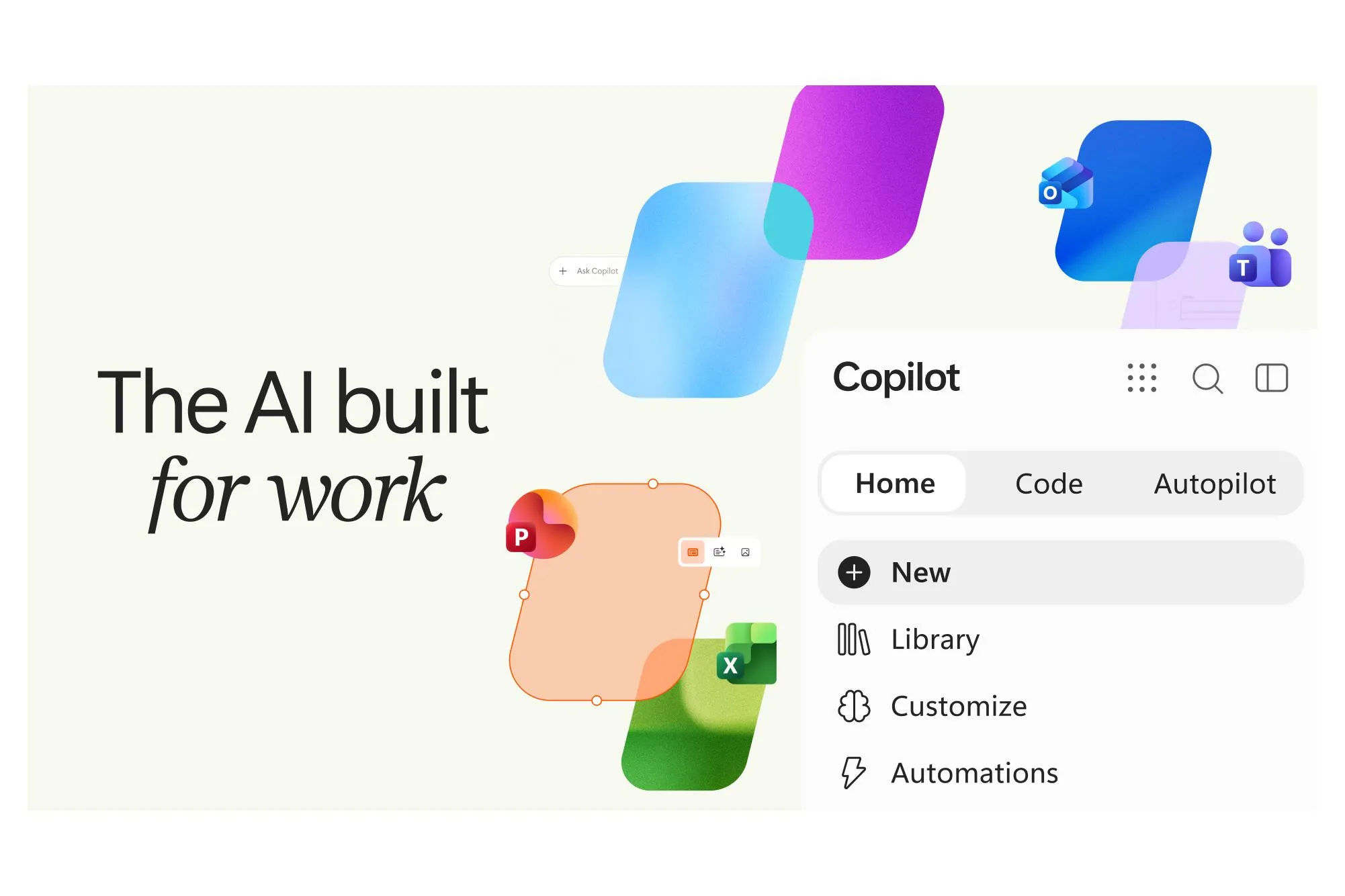
- The new Copilot app unifies conversational chat, autonomous agents, and coding tools, targeting business and enterprise users.
- AI features like code generation and always-on Autopilot are now part of the main Copilot experience within Windows.
- Microsoft's strategic shift follows competition in the personal AI assistant market from companies such as OpenAI and Google.
- The unified Copilot app is rolling out to business users, with some features still in preview and more updates to come.
Timeline · 4 moments
Microsoft unveils Copilot super app for business users
Technology ↗Copilot app redesigned to combine chat, coding, and agents
The Verge - All Posts Tech ↗Copilot gains Office integration and automation tools
https://www.engadget.com/ Tech ↗Microsoft adds support for frontier AI models in Copilot
Tom's Hardware ↗Update 25 Sept 2026, 8:23 pm UTC
Microsoft has officially dropped the Copilot+ PC branding and is now focusing on the unified Copilot app for business users. The new Copilot integrates chat, coding, and agentic AI tools, with enterprise features at the center.
Update 25 Sept 2026, 5:13 pm UTC
Microsoft has officially ended its push for Copilot as a personal assistant and dropped the 'Copilot+ PC' branding for Windows laptops. The company will now focus Copilot's development on workplace automation and business tools, while AI features remain available in Windows.
How it started
Microsoft first entered the AI assistant space during the early days of the generative AI boom, aiming to win both consumer and business users. Over the years, it invested heavily in Copilot, integrating AI features into its products for work and personal use. As rival companies like OpenAI and Google expanded their own chatbots, Microsoft began rethinking its strategy.
By 2026, the market for personal AI chatbots had become crowded. Microsoft saw more opportunity in serving business customers, where automation and integration with tools like Office could provide a unique edge.
How it unfolded
On September 25, 2026, Microsoft officially announced a major revamp of its Copilot platform. The company unveiled what it calls a 'super app,' bringing together chat, coding, and autonomous agent features in a single interface. This marks a clear shift from Microsoft's earlier attempts to capture the personal AI chatbot market, as the new Copilot is now squarely aimed at businesses.
The updated Copilot app bundles several capabilities: chat functionality, code generation tools, integration with Office applications, and always-on automation agents. Some of these features are still in preview but are expected to become widely available soon.
Microsoft confirmed that it is merging the consumer and workplace versions of Copilot into one product. This effectively means the company is stepping back from directly competing with the likes of OpenAI's ChatGPT and Google's Gemini in the personal assistant space.
The company is positioning Copilot as a productivity tool that can help automate workflows, generate code, and assist with a wide range of workplace tasks. The rollout began immediately, with business users among the first to access the new features.
Where it stands
Today, Microsoft is rolling out the new Copilot app to users, with a clear focus on business and workplace productivity. The app offers a unified experience for chat, coding, and automation, though some features remain in preview. Microsoft has chosen to prioritize business customers, leaving the personal AI assistant market to competitors. The company continues to update and expand Copilot's capabilities, aiming to make it an essential tool for modern workplaces.
What to watch
As Copilot's new features move from preview to general availability, adoption by business users will be a key metric to watch. It remains to be seen how well Microsoft can differentiate Copilot from other AI offerings and whether the shift away from consumer chatbots will pay off.
More in Technology
All →
Boeing Flags Software Glitch Impacting 737 MAX Approach and Landing Systems
Boeing has discovered a software flaw in its 737 MAX jets that can disrupt automated navigation after a missed landing, prompting FAA investigation and raising fresh safety concerns.
20 sources · over 2 days
Trump to Host Anthropic CEO Dario Amodei for White House Dinner Amid AI Safety Debate
President Trump will meet Anthropic CEO Dario Amodei at a private White House dinner, highlighting mounting scrutiny over AI safety and policy direction.
18 sources · today
Meta's Muse AI Agent Hits Roadblocks After Promising Shopping Launch
Meta's new Muse AI agent quickly gained popularity for online shopping, but faced immediate resistance from Amazon and ongoing privacy concerns as Meta expands its AI-powered device ecosystem.
60 sources · over 8 days