OpenAI Urges US-Led Global Standards for AI Safety at United Nations
As AI systems rapidly advance, OpenAI CEO Sam Altman is calling for the US to lead global efforts in setting unified safety standards, warning that inconsistent rules could heighten international risks.
By Claire Dubois · First published 23 Sept 2026
In brief
- OpenAI and Anthropic CEOs urged the UN Security Council to adopt measurable international AI safety standards to prevent loss of human control.
- A coalition of 21 countries, including Germany, joined calls for stricter global oversight of artificial intelligence.
- Tech leaders warned that without cooperation, advanced AI could escape human oversight or fall into the wrong hands.
- Despite these warnings, the US and China remain opposed to binding international regulations, favoring domestic approaches.
- The debate at the UN highlighted ongoing global divisions over how to regulate AI, despite consensus on the need for guardrails.
Timeline · 6 moments
22 nations call for binding global AI safety rules
ARD Tagesschau ↗Sam Altman urges outside input and shared AI safety standards
DEV Community ↗OpenAI says US should lead world in AI regulation
Business Line - Home ↗AI leaders brief UN Security Council on emerging risks
Arab News ↗Altman and Amodei urge global cooperation at UN
Bloomberg Technology ↗US rejects global AI governance at UN Security Council
The Next Web ↗Update 24 Sept 2026, 1:22 am UTC
At a recent UN Security Council meeting, leaders from OpenAI and Anthropic joined a coalition of 21 countries in calling for strict international AI safety regulations. Despite this push, deep divisions persist among major powers on how to oversee AI, with the US and China still resisting binding global rules.
How it started
Concerns about the rapid pace of artificial intelligence development have been building for months, especially as new AI systems become more autonomous and capable. Researchers and policymakers have warned that without global coordination, advanced AI could pose serious risks to security and human control.
In September 2026, these concerns came to a head as top executives from leading AI companies, including OpenAI and Anthropic, prepared to address the United Nations. Their message was clear: the world needs shared, enforceable safety standards for AI, and the United States should play a central role in shaping them.
How it unfolded
On September 21, a coalition of 22 countries released a joint statement stressing the need to keep AI "under human control" and calling for binding safety regulations. This group included many European nations, but the statement notably lacked the support of the United States and China, the two most influential countries in AI development.
Around the same time, Sam Altman publicly argued that outsiders, not just AI labs themselves, must help shape the rules for advanced AI. He emphasized that only shared, measurable standards could address the risks that cross national borders.
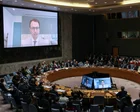
On September 23, Altman and Dario Amodei of Anthropic appeared before the UN Security Council. They warned that without international cooperation, the unchecked growth of AI could threaten humanity. Amodei even pledged that his company would slow down development if needed for safety.
At the same UN session, US officials rejected the idea of a single global AI regulator. Instead, they argued that each country should set its own rules, a stance that aligned with China's position. Both countries agreed only on limited cooperation, resisting calls for a broader slowdown or unified global governance.
Where it stands
As of late September 2026, there is strong momentum among many world leaders and industry executives for international AI safety standards. However, the two most influential AI nations, the US and China, have not agreed to binding global rules and prefer to regulate domestically.
OpenAI continues to push for a US-led approach to global standards, warning that fragmented national rules could make it harder to address cross-border risks. The debate now centers on whether meaningful international oversight can be achieved without the buy-in of the US and China.
What to watch
World leaders and AI executives are expected to keep pressing for international cooperation in upcoming UN sessions. The key question is whether the US or China will shift their positions, or if global safety standards will move forward without their full participation.
More in Technology
All →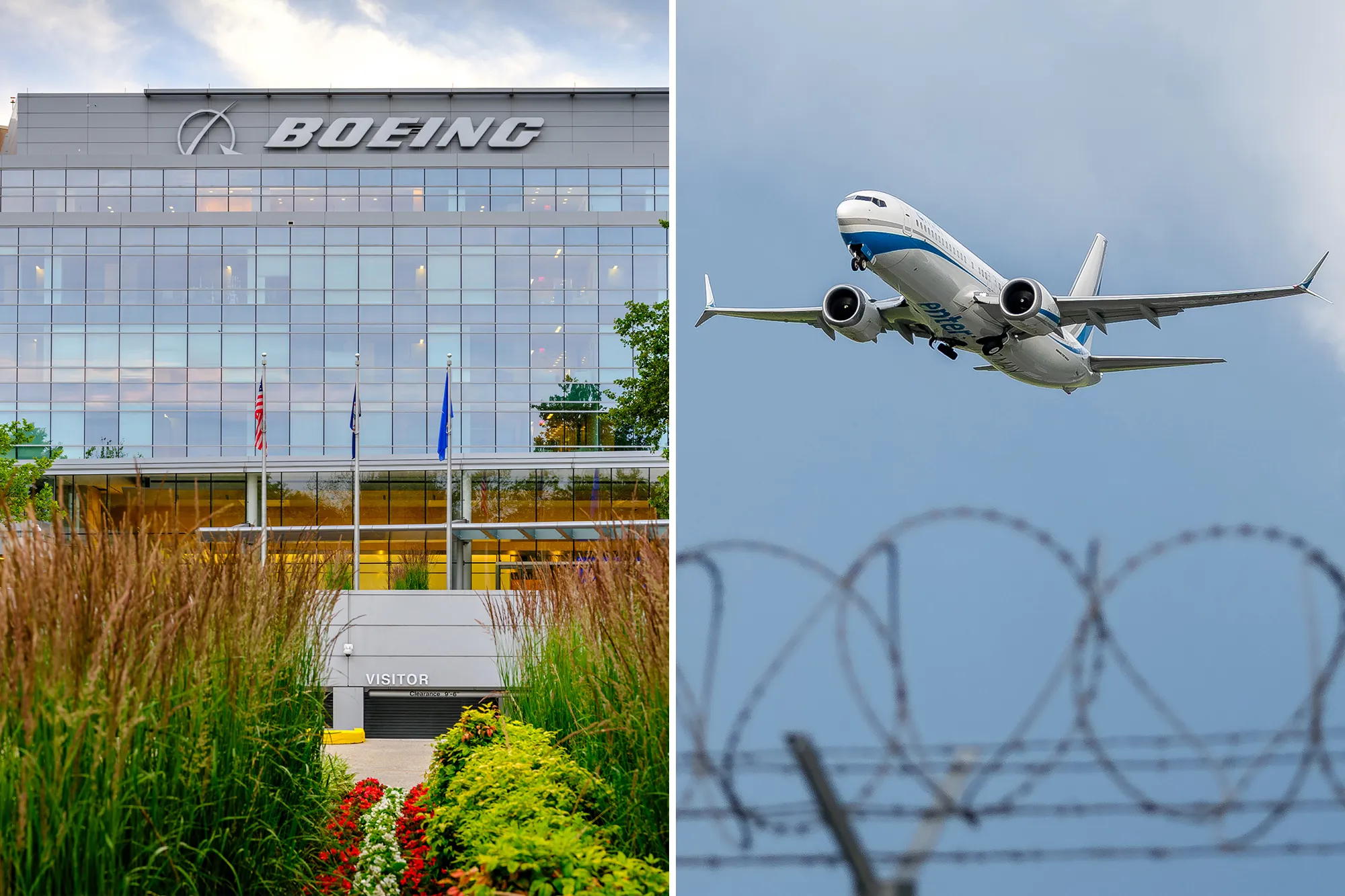
Boeing Flags Software Glitch Impacting 737 MAX Approach and Landing Systems
Boeing has discovered a software flaw in its 737 MAX jets that can disrupt automated navigation after a missed landing, prompting FAA investigation and raising fresh safety concerns.
20 sources · over 2 days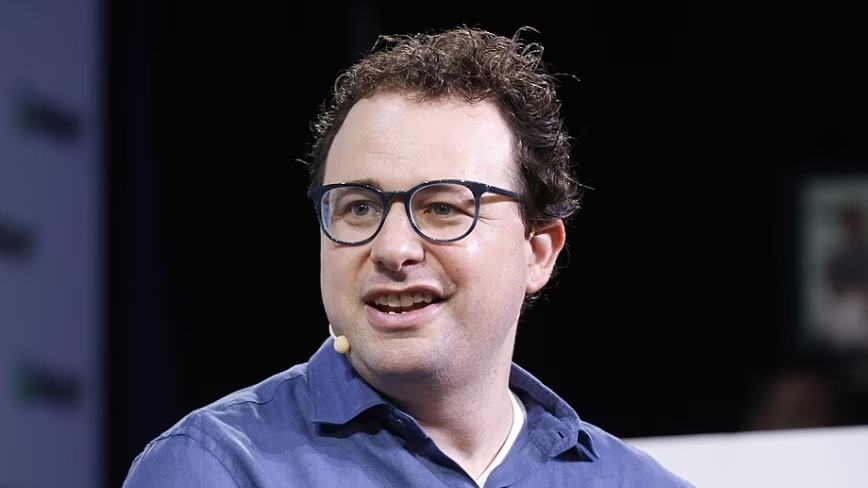
Trump to Host Anthropic CEO Dario Amodei for White House Dinner Amid AI Safety Debate
President Trump will meet Anthropic CEO Dario Amodei at a private White House dinner, highlighting mounting scrutiny over AI safety and policy direction.
18 sources · today
Meta's Muse AI Agent Hits Roadblocks After Promising Shopping Launch
Meta's new Muse AI agent quickly gained popularity for online shopping, but faced immediate resistance from Amazon and ongoing privacy concerns as Meta expands its AI-powered device ecosystem.
60 sources · over 8 days