Police Move Hundreds of Migrants From Ceuta Beaches to Overcrowded Port Facility
Spanish police have begun relocating migrants from Ceuta's beaches to a port camp, sparking criticism over inadequate space and resources as thousands remain stranded.
By Oliver Hartmann · First published 18 Sept 2026
In brief
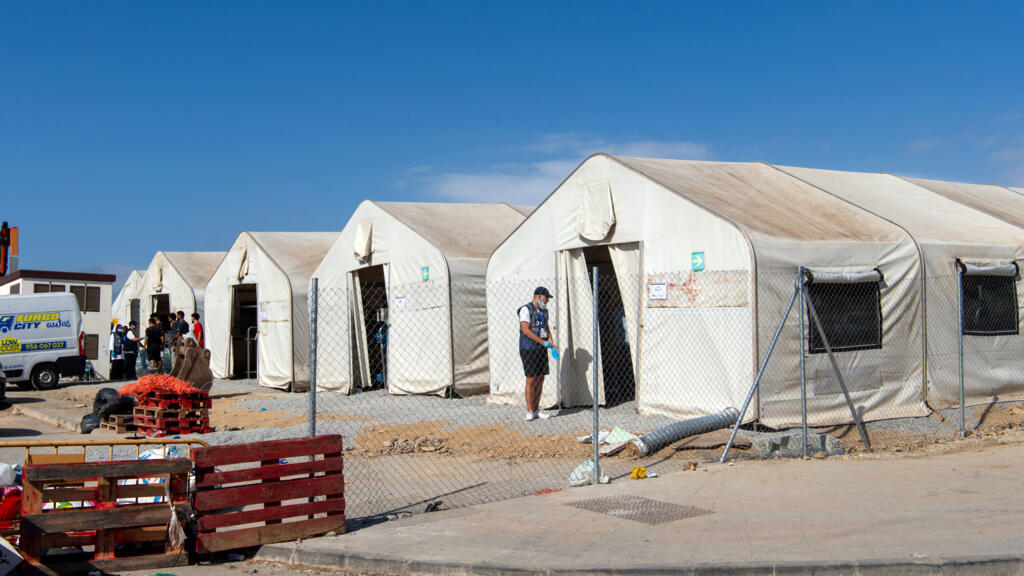
- Police in Ceuta started moving migrants from beaches to a temporary tented camp at the port on September 18.
- The port facility can hold about 1,700 to 1,800 people, but around 4,000 migrants are seeking shelter.
- Police fired warning shots and used batons as crowds surged toward the camp and tensions escalated during the transfer.
- Police unions and local media have highlighted severe shortages of resources and criticized the management of the crisis.
- Many migrants remain on the beaches or return there after failing to gain entry to the overcrowded port camp.
Timeline · 5 moments
More than 70,000 migrants cross into Ceuta from Morocco
Euronews ↗Police begin moving migrants from beaches to port facility
Arab News ↗Officers fire warning shots as crowds jostle for places
BBC News - World News ↗Port camp fills quickly, leaving thousands stranded
Le Monde ↗Migrants unable to enter port camp return to beaches
TGcom24 ↗Update 18 Sept 2026, 8:20 pm UTC
Spanish police began transferring migrants from Ceuta's beaches to a temporary port camp, but the facility quickly reached capacity. The operation was chaotic, with police using warning shots and batons as thousands tried to secure shelter. Many migrants remain outside the camp, and resource shortages continue to draw criticism.
How it started
In late July, a surge of more than 70,000 people crossed from Morocco into Ceuta, a Spanish enclave on the North African coast. Many of these migrants set up makeshift camps along Ceuta's beaches, hoping for shelter and support. For weeks, local authorities struggled to provide adequate facilities as the number of people sleeping rough grew far beyond existing capacity. The situation became increasingly tense as the summer wore on, with public pressure mounting for a more organized response.
How it unfolded
On September 18, Spanish police began a large-scale operation to move hundreds of migrants from the beaches to a temporary tented area set up at the port. The operation was met with confusion and resistance, as the new camp could only accommodate a fraction of those needing shelter. Officers were heavily deployed, and warning shots were fired into the air to control crowds vying for a place at the new facility. According to local reports, there were several injuries during the transfer process. As the camp quickly reached its limit, many migrants who could not get in returned to the beaches, leaving thousands still without proper shelter. Throughout the day, unions representing police criticized the lack of resources and planning, warning that the situation remained chaotic and unsustainable.
Where it stands
By Friday afternoon, the port facility was full, and large numbers of migrants remained on Ceuta's beaches. The local government faces mounting criticism over its response, while police and civil guard unions continue to push for more support. The situation remains tense, with authorities struggling to balance security, humanitarian needs, and limited resources. Many migrants are still hoping for a place in the port camp, but space remains scarce.
What to watch
It is unclear how authorities will address the ongoing overflow of migrants and whether additional facilities or resources will be provided. The risk of further unrest remains if the situation does not improve, and many are watching closely to see how Spain responds in the coming days.
More in World
All →
Madrid Pensioner Evicted After 71 Years, Sparking Nationwide Protests Over Housing Crisis
The forced eviction of 87-year-old Maricarmen Abascal from her longtime Madrid home has triggered widespread protests across Spain and renewed debate about tenant rights and rising housing costs.
28 sources · over 5 days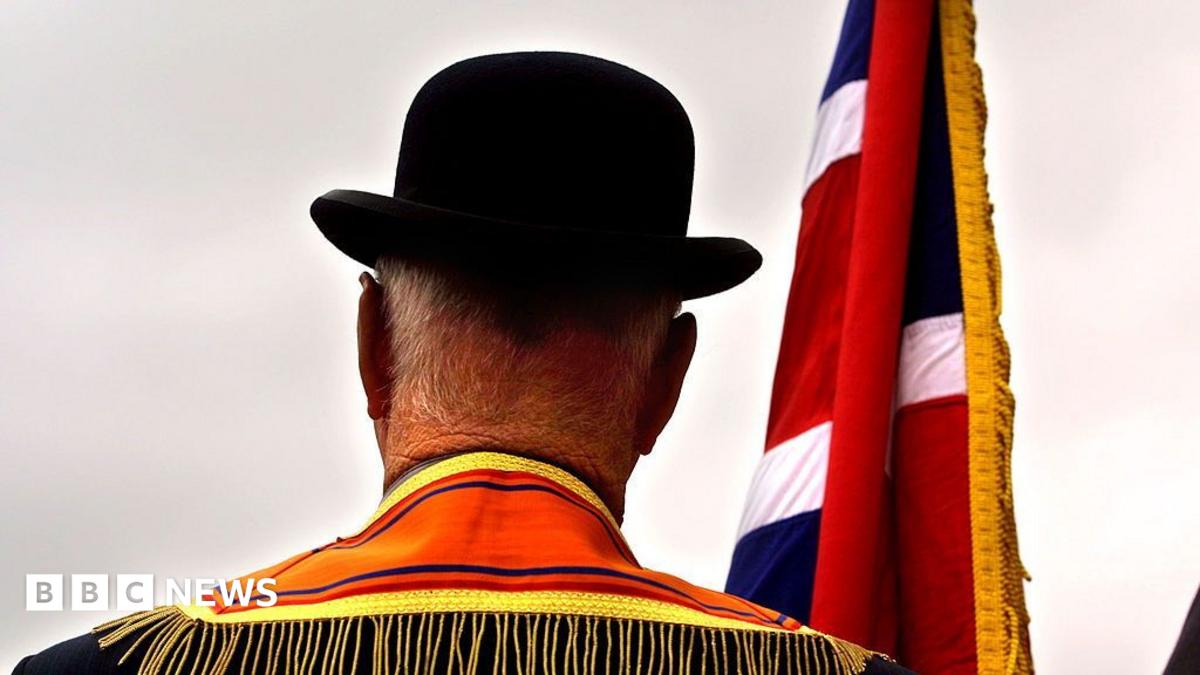
Orange Order Parade Blocked by Thousands on Garvaghy Road
Protesters physically blocked the Orange Order parade in Portadown, leading to a tense standoff and the march being halted.
24 sources · over 7 days
South Korea Demands Apology After Ukraine Reveals POW Transfer Deal
South Korea has demanded an official apology from Ukraine after details emerged about the confidential transfer of North Korean prisoners of war, straining ties between the two countries.
11 sources · today