Republican Candidates Break With Trump on Iran War as Midterms Near
Facing growing public opposition to the Iran war, more Republicans are shifting away from Trump's policy ahead of crucial midterm elections.
By Kwame Mensah · First published 24 Sept 2026
In brief
- Republican candidates in battleground states continue to distance themselves from Trump's handling of the Iran war as elections near.
- Polling shows the Iran conflict remains unpopular with American voters, increasing pressure on GOP candidates to shift their stance.
- Several Republican senators, including Murkowski, Collins, Paul, and Tillis, broke with party leadership to support limiting Trump's war powers.
- The Senate narrowly defeated the war powers resolution, with most Republicans still supporting Trump's authority despite visible dissent.
- Calls from some GOP candidates to end the war and refocus on domestic priorities have grown more public and frequent in recent weeks.
Timeline · 6 moments
Republicans in tight races call to wind down Iran war
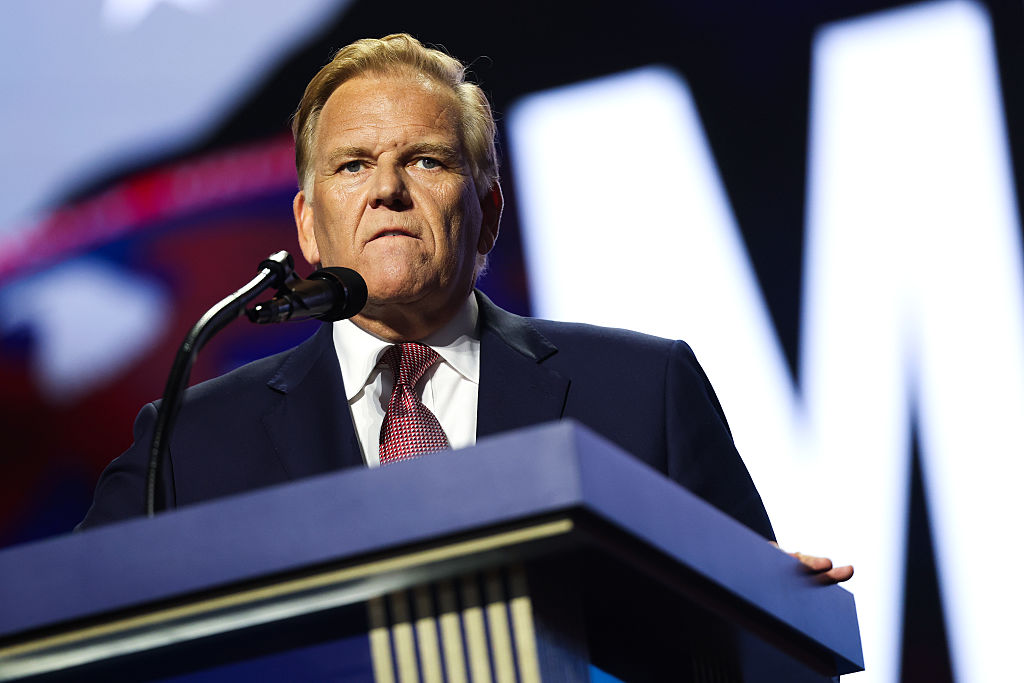
CBS Top Stories ↗GOP Senate candidate Mike Rogers voices Iran war concerns at RNC
TIME.com ↗Senate votes on resolution to end Iran war, some GOP defect
NBC News ↗Senate rejects Iran war powers resolution, new GOP support noted
CBS Top Stories ↗Senate GOP defeats resolution to withdraw US troops from Iran
The Hill ↗Senate Republicans block Democratic effort to end Iran war
Latest news, sport and opinion from the Guardian ↗Update 24 Sept 2026, 11:13 pm UTC
The Senate has once again narrowly voted down a resolution to limit President Trump's war powers on Iran, despite a few Republicans joining Democrats in support. Republican divisions remain, with some GOP senators publicly opposing the war, but most still back Trump as the midterms approach.
How it started
When the United States entered into open conflict with Iran under President Trump, most Republican lawmakers initially supported the administration's approach. The party largely stood united, emphasizing national security and backing the president's decisions on foreign policy.
As the war dragged on, public sentiment began to shift. Polls started to show that the conflict was losing support among voters, especially in districts where economic struggles were already pressing concerns. This growing opposition prompted Republican candidates in competitive races to reconsider their positions.
How it unfolded
By late September 2026, the shift became clear. On September 23, several Republican candidates in tight midterm races began to distance themselves from Trump's Iran policy. They called for the administration to wind down the war and focus more on issues affecting Americans at home, such as affordability, according to CBS.
At the Republican National Convention, some candidates, including Michigan's Mike Rogers, openly expressed concerns about the ongoing conflict and its political costs, as reported by TIME.
On September 24, the Senate voted on a resolution to direct President Trump to end the war with Iran. While most Republicans opposed the measure, a few defected and sided with Democrats, highlighting the growing rift within the party, NBC News reported.
The same day, the Senate rejected a war powers resolution aimed at limiting Trump's ability to continue the conflict without Congressional approval. The effort picked up some new Republican supporters, but ultimately fell short, according to CBS.
Coverage from The Hill and The Guardian confirmed that although the resolution was defeated, dissatisfaction with Trump's handling of the war is rising among GOP senators. The conflict has now surpassed 200 days and resulted in the deaths of 19 American service members.
Where it stands
The Senate has narrowly defeated efforts to restrict Trump's war powers in Iran, and the conflict continues. However, Republican divisions on the issue are more visible than at any time since the war began. Vulnerable GOP candidates are increasingly vocal about their opposition, reflecting the war's unpopularity with voters.
The issue remains a flashpoint in the run-up to the midterms, with party unity on foreign policy now in question. The outcome of these elections may further influence the direction of US involvement in Iran.
What to watch
With the midterms approaching, watch for more Republican candidates to break with Trump on Iran, especially in close races. Any further developments in the Senate or new casualties could intensify calls for a change in strategy.
More in World
All →
Madrid Pensioner Evicted After 71 Years, Sparking Nationwide Protests Over Housing Crisis
The forced eviction of 87-year-old Maricarmen Abascal from her longtime Madrid home has triggered widespread protests across Spain and renewed debate about tenant rights and rising housing costs.
28 sources · over 5 days
Orange Order Parade Blocked by Thousands on Garvaghy Road
Protesters physically blocked the Orange Order parade in Portadown, leading to a tense standoff and the march being halted.
24 sources · over 7 days
South Korea Demands Apology After Ukraine Reveals POW Transfer Deal
South Korea has demanded an official apology from Ukraine after details emerged about the confidential transfer of North Korean prisoners of war, straining ties between the two countries.
11 sources · today