Ukraine Hits Moscow With Over 1,600 Drones During Russian Elections
Ukraine carried out a record drone attack on Moscow, killing at least two and damaging a major oil refinery as Russians voted.
By Oliver Hartmann · First published 20 Sept 2026 · Chapter 3 of 3
Earlier: Russian Drone Strike on Ukrainian Bus Near Nikopol Kills Five, Injures Seven
In brief
- Ukraine launched a massive drone attack on Moscow, reportedly using over 1,600 drones and targeting the city during Russian elections.
- A major oil refinery in Moscow was set ablaze and at least two people were killed in the Moscow region during the assault.
- Russian officials claim hundreds of drones specifically targeted the capital, making it the largest such attack since the war began.
- Russian forces also carried out deadly strikes in Ukraine, including an attack near Kyiv that killed four people and targeted railway infrastructure.
- Both sides continue frequent drone and missile strikes, with no sign of de-escalation as civilian and infrastructure losses mount.
Timeline · 9 moments
Russian drone hits passenger bus in southern Ukraine
Arab News ↗Russian drones strike train and residential buildings in Ukraine
CBC News ↗Russian airstrikes injure civilians in Kyiv and Odesa
Arab News ↗Drone and missile attacks damage homes in Odesa and Sumy
Euronews ↗Russian forces intensify attacks, causing civilian casualties
Al Jazeera ↗Ukraine launches massive drone attack on Moscow region
Al Jazeera ↗Oil refinery in Moscow damaged during drone strikes
Mehr News (English) ↗Hundreds of drones intercepted as Moscow comes under attack
NDTV News - World-news News ↗At least two killed in Moscow drone attack
Deutsche Welle ↗Update 20 Sept 2026, 3:10 pm UTC
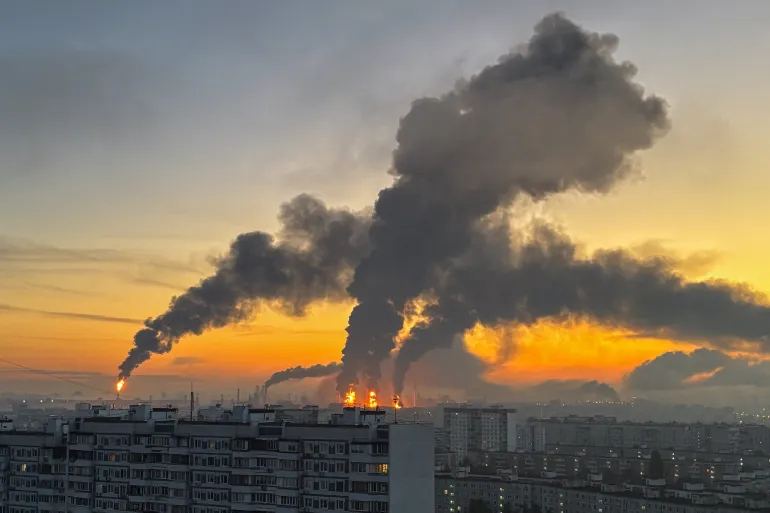
Ukraine launched its largest ever drone attack on Moscow during Russia's parliamentary elections, reportedly sending over 1,600 drones. Major fires erupted at a Moscow oil refinery and at least two people were killed in the Moscow region.
How it started
The latest surge in violence began with a Russian drone strike on September 16, targeting a passenger bus in Ukraine's Nikopol district. At least five people lost their lives and seven more were injured in this attack. Ukrainian officials condemned the strike, highlighting its impact on civilians and public transportation.
Following the bus attack, Russian drones and missiles struck additional targets in Ukraine, including trains and residential areas, marking an escalation in Russia's campaign against Ukrainian infrastructure and cities.
How it unfolded
On September 16, Russian drones hit both a passenger bus and a train in southern Ukraine, resulting in five deaths and several injuries. The following night, Russian airstrikes continued across Ukrainian cities such as Kyiv and Odesa, damaging apartment buildings and injuring more civilians. Attacks also struck Sumy, with reports of injuries and further destruction to homes and vehicles.
Over the next days, Russian strikes intensified, with casualties reported in Kyiv, Odesa, and the surrounding regions. Ukrainian emergency services responded to fires and damage from drone and missile impacts, while authorities reported dozens injured and critical infrastructure targeted.
On September 20, Ukraine launched a large-scale drone attack on Moscow and its region. Russian authorities described this as the largest such assault to date, with hundreds of drones launched and at least two civilians killed. A major oil refinery near Moscow was damaged, and flights were temporarily suspended at two Moscow airports. Russian officials claimed to have intercepted more than 1,600 drones, though some still reached their targets.
The drone barrage coincided with the final day of Russia's parliamentary elections, which Russian officials accused Ukraine of trying to disrupt. The Ukrainian side claimed responsibility for the attacks, saying they used newly developed ballistic missiles and drones to strike Russian territory.
Where it stands
The situation remains tense, with ongoing drone and missile attacks reported on both sides. Ukrainian cities continue to suffer from Russian airstrikes, resulting in civilian casualties and damage to key infrastructure. Meanwhile, Russia faces increased pressure from Ukrainian drone attacks targeting the capital and critical facilities.
Both governments have signaled no willingness to de-escalate. The military and civilian toll is mounting, and security measures remain heightened in affected regions.
What to watch
It is unclear whether the latest attacks will prompt further escalation or lead to new tactics on either side. The effectiveness of Russian air defenses and Ukraine's evolving drone capabilities will likely shape the next phase of the conflict. Ongoing strikes and the targeting of infrastructure suggest that civilians remain at significant risk in both countries.
More in World
All →
Madrid Pensioner Evicted After 71 Years, Sparking Nationwide Protests Over Housing Crisis
The forced eviction of 87-year-old Maricarmen Abascal from her longtime Madrid home has triggered widespread protests across Spain and renewed debate about tenant rights and rising housing costs.
28 sources · over 5 days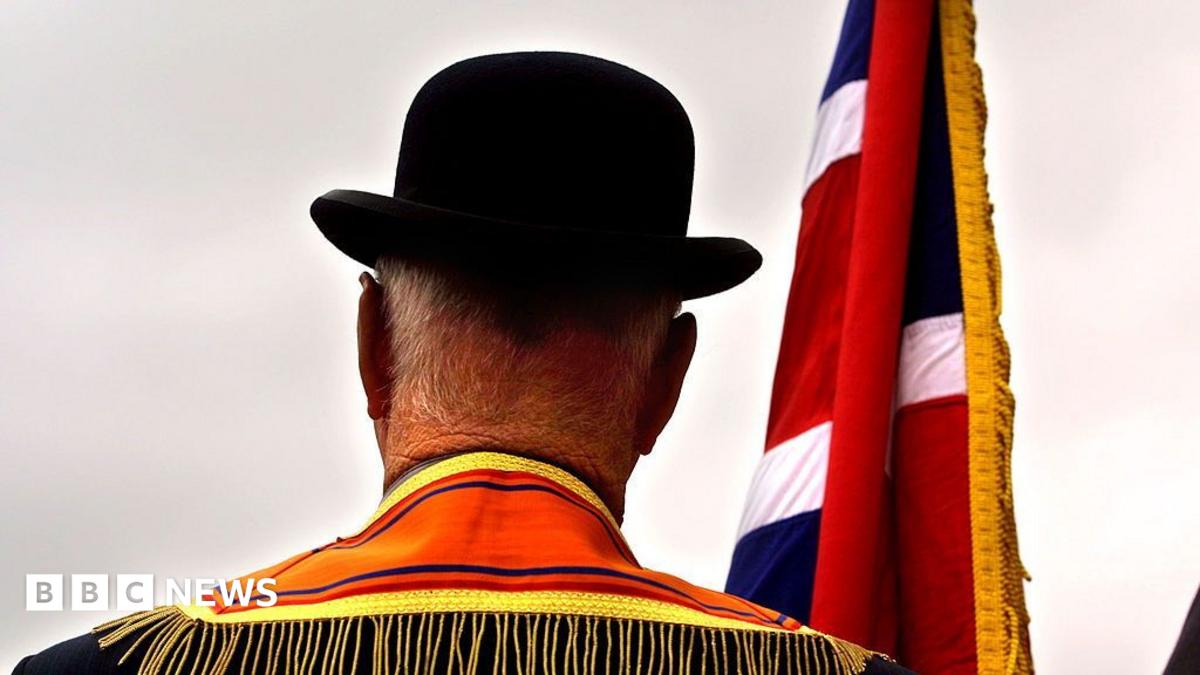
Orange Order Parade Blocked by Thousands on Garvaghy Road
Protesters physically blocked the Orange Order parade in Portadown, leading to a tense standoff and the march being halted.
24 sources · over 7 days
South Korea Demands Apology After Ukraine Reveals POW Transfer Deal
South Korea has demanded an official apology from Ukraine after details emerged about the confidential transfer of North Korean prisoners of war, straining ties between the two countries.
11 sources · today