Bolivia's Tilcayo Wild Cat Confirmed as 3-Pound Distinct Species
DNA analysis shows the newly discovered tilcayo wild cat is smaller than a domestic cat and genetically unique.
By Claire Dubois · First published 17 Sept 2026
In brief
- Leopardus tilcayo is a newly identified wild cat species native to Bolivia's Yungas cloud forests and Andes region.
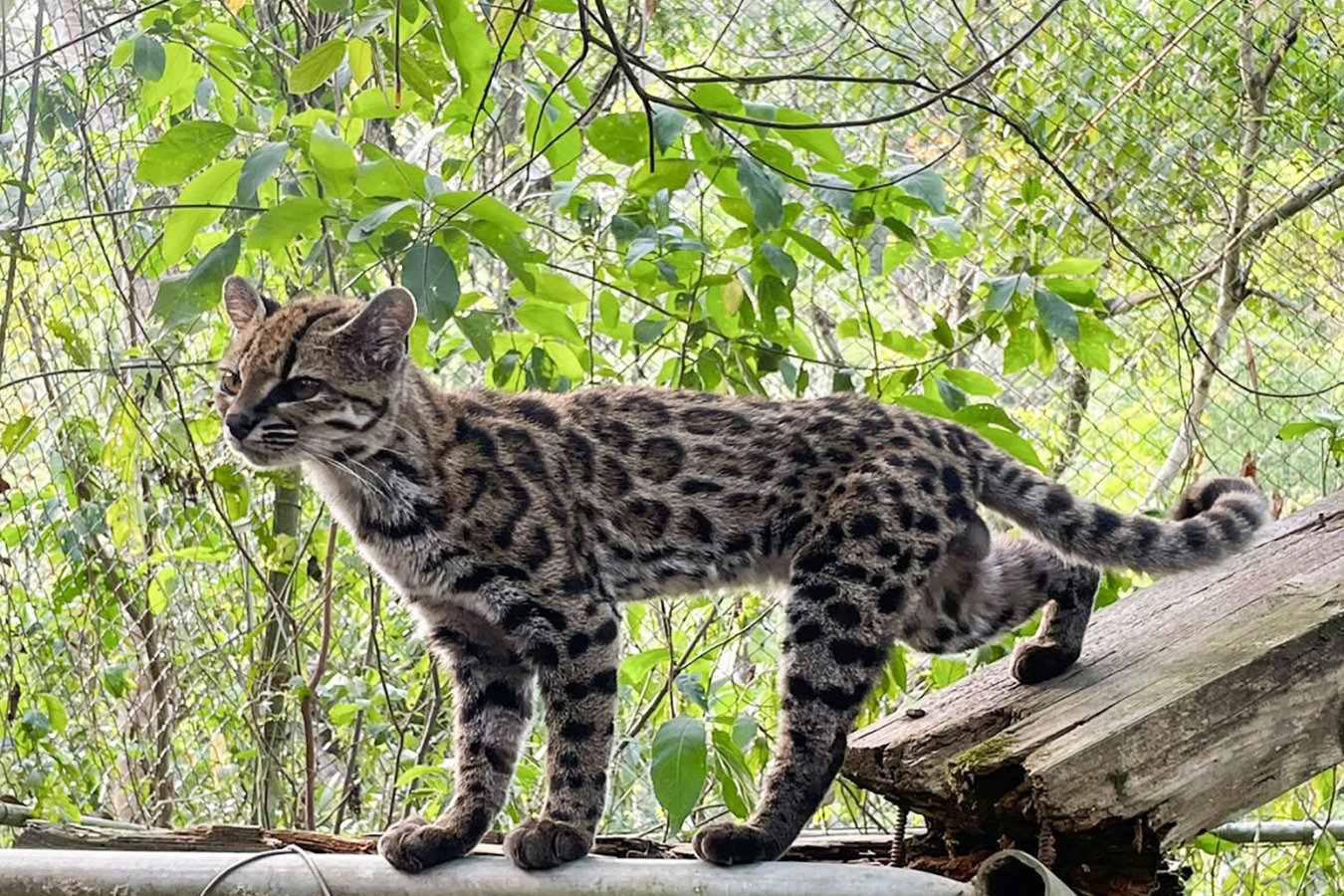
- The cat weighs about three pounds, is smaller than a house cat, and has a light brown coat with dark rosettes.
- Scientists confirmed the species through genetic analysis of 38 neotropical felines, including individuals at a Bolivian wildlife sanctuary.
- This is the first new wild cat species described globally in over a century.
- The discovery has attracted tourists, and researchers are still investigating its population, behavior, and diet.
Timeline · 10 moments
Scientists formally describe new cat species in Bolivia
New Scientist ↗Genetic analysis confirms Tilcayo is a distinct species
Live Science ↗Cat named Tilcayo by locals is smaller than house cats
NBC News ↗Tilcayo cat measured at just 46 centimeters long
DIE ZEIT | Nachrichten, News, Hintergründe und Debatten ↗Tilcayo was initially kept as a family pet
ABCNews.com ↗Tilcayo's size and weight specified in new reports
Daily Mail ↗Second Tilcayo individual confirmed by researchers
nu.nl ↗First new wild cat species in a century confirmed
Phys.org ↗Cat identified at Bolivian sanctuary after genetic analysis
© Fernando Faciole, Reuters ↗Discovery draws tourists to see Bolivia's tilcayo cat
Phys.org ↗Update 23 Sept 2026, 9:46 am UTC
New coverage reveals that the Leopardus tilcayo was first recognized at a Bolivian wildlife sanctuary, where it had lived for years before being identified as a distinct species. The discovery has led to a surge of visitors to the area hoping to see the animal, and scientists are still studying its behavior and diet.
Update 18 Sept 2026, 0:59 pm UTC
Recent coverage clarifies that the tilcayo wild cat weighs about 3 pounds, making it smaller than previously reported. Genetic analysis involved DNA from 38 neotropical felines, including museum specimens, confirming the species' distinct status.
Update 18 Sept 2026, 9:49 am UTC
Recent coverage confirms that Leopardus tilcayo is the first new wild cat species recognized globally in over a century. Reports clarify that the cat is slightly smaller than a domestic cat and was initially mistaken for a pet.
Update 18 Sept 2026, 6:19 am UTC
Recent coverage clarifies that two Tilcayo cats have now been identified, not just one. The species is confirmed as the first new wild cat discovered in over a century, and local communities were involved in naming it.
Update 18 Sept 2026, 1:29 am UTC
New reports confirm that only one confirmed Tilcayo, a 10-year-old cat named 'Tigrino' living in a Bolivian rescue sanctuary, has been identified so far. The cat was originally kept as a family pet before scientists realized it represented a new species. Its small size and distinctive spotted fur have been further detailed, and local communities have long known it as the tilcayo.
How it started
The discovery began when researchers and local wildlife sanctuary staff in Bolivia noticed an unusual small, spotted cat in the Yungas cloud forest. This area, known for its rich biodiversity, had long been thought to harbor undiscovered species, but finding a new member of the cat family was unexpected. The animal's unique appearance and behavior sparked further scientific interest.
How it unfolded
Scientists collected samples and began genetic analysis to determine if the mysterious cat was truly a separate species. According to Live Science, this research clarified the animal's relationship to other South American wild cats and revealed that it was indeed genetically distinct.
On September 17, 2026, multiple outlets reported the formal identification of the new species, Leopardus tilcayo. The cat was described as being even smaller than many domestic cats, with striking spots and a preference for the dense, misty forests of Bolivia. DIE ZEIT added that the cat measures only 46 centimeters in length.
The announcement was met with excitement in the zoological community, as it is the first time in over a century that a new living cat species has been formally identified. Scientists emphasized the importance of genetic tools in distinguishing the Tilcayo from its close relatives, which had previously been grouped together.
Local communities had long referred to the animal as the Tilcayo, but it had never been scientifically described until now. The discovery also drew attention to the urgent need for conservation, as the cat's habitat is threatened by deforestation and human activity.
Where it stands
The Leopardus tilcayo is now officially recognized as a distinct species. Scientists are working to learn more about its population size, habits, and precise range within Bolivia's cloud forests. Conservationists hope that this discovery will lead to increased protection for the region's wildlife and habitats. For now, the Tilcayo stands as a rare example of a major zoological discovery in the modern era.
What to watch
Researchers will continue to study the Tilcayo's ecology and monitor its population. Further genetic work may reveal whether other unrecognized cat species exist in South America. Conservation measures for the Yungas forest, home to the Tilcayo, may also be strengthened in response to this high-profile discovery.
More in Science
All →
Lian Yunzhi Sets Rubik's Cube Record With 4.52 Second Average
Six-year-old Lian Yunzhi set the women's 3x3 Rubik's Cube world record with a 4.52 second average at a Wuhan competition.
20 sources · over 4 days
Fire Amoeba Survives at 158°F, Breaking Heat Tolerance Record
Scientists confirm a California amoeba thrives at 158°F, raising the heat survival record for complex life.
11 sources · over 2 days
Study Measures Body Temperature of Two T. rexes, Confirms Warm-Bloodedness
Scientists used chemical analysis on two T. rex specimens, confirming both had body temperatures similar to modern humans.
20 sources · over 4 days