Sri Lankan Court Sentences 15 to Life for 2019 Easter Bombings
Fifteen men convicted over the 2019 Easter Sunday bombings in Sri Lanka have each been sentenced to life in prison.
By Tomas Ferreira · First published 22 Sept 2026
In brief
- Sri Lanka's High Court convicted 15 men for their roles in the 2019 Easter Sunday bombings.
- Each of the convicted men was sentenced to life in prison, with some reports specifying 200 or 220 years.
- The 2019 attacks killed between 260 and 300 people, including dozens of foreigners, making it the deadliest since the civil war.
- The men were found guilty of aiding and abetting suicide bombers who targeted hotels and churches across Sri Lanka.
- The verdict and sentences conclude a widely scrutinized trial that drew significant public and international attention.

Timeline · 5 moments
Coordinated suicide bombings kill hundreds on Easter Sunday
The Hindu ↗Authorities identify local Islamist group as suspects
NPR - Middle East ↗Trial of 24 accused begins in Colombo High Court
South China Morning Post ↗Sri Lankan court convicts 14 and acquits 9 in Easter bombing case
Breaking Sri Lanka economy news, Sri Lanka news on financial markets, politics and policy from MonetaBrief Monetabrief ↗Fifteen sentenced to life for Easter Sunday bombings
World News CNA ↗Update 22 Sept 2026, 9:25 pm UTC
New coverage clarifies that all 15 men convicted over the 2019 Easter Sunday bombings were sentenced to life in prison, with some outlets specifying terms of 200 or 220 years. There are also variations in reported death tolls, ranging from 260 to over 300, but the conviction and sentencing details are now more precise.
Update 22 Sept 2026, 4:45 pm UTC
New coverage clarifies that 15 men were convicted by the Sri Lankan court, not 14 as previously reported. The number of acquitted individuals remains at nine.
How it started
On April 21, 2019, Sri Lanka was rocked by a series of coordinated suicide bombings. The attackers struck three luxury hotels and three churches during Easter Sunday services, killing 279 people and injuring hundreds more. The bombings were the deadliest violence the country had experienced since the end of its civil war. The attacks shocked Sri Lanka and the world, drawing condemnation and prompting a massive investigation.
How it unfolded
Authorities quickly identified a local Islamist extremist group as being behind the attacks. Investigations revealed that the bombers were inspired by the Islamic State group and had carefully planned the operation. In the aftermath, Sri Lankan police arrested dozens of suspects believed to be connected to the plot. After an extensive probe, 24 men were charged with various crimes related to the bombings. The trial began in Colombo, with a three-judge bench overseeing the proceedings. Over several years, the court heard testimony, reviewed evidence, and considered the involvement of each accused. The case drew widespread attention, both within Sri Lanka and internationally, as families of victims and survivors sought justice.
Where it stands
On September 22, 2026, the High Court in Colombo delivered its verdict. Fourteen men were found guilty on all charges. Nine were acquitted, and one was convicted on only some charges. The court's decision brings a measure of closure to a case that has weighed heavily on Sri Lankan society. The convictions mark a significant moment in the country's efforts to address the aftermath of the attacks and hold those responsible to account.
What to watch
Sentencing for those convicted is expected to follow the verdict. There may also be appeals from the convicted or the prosecution, depending on how parties respond to the outcome. The broader questions of how the attacks were allowed to happen and what reforms are needed in Sri Lanka's security and intelligence services remain points of public debate.
More in World
All →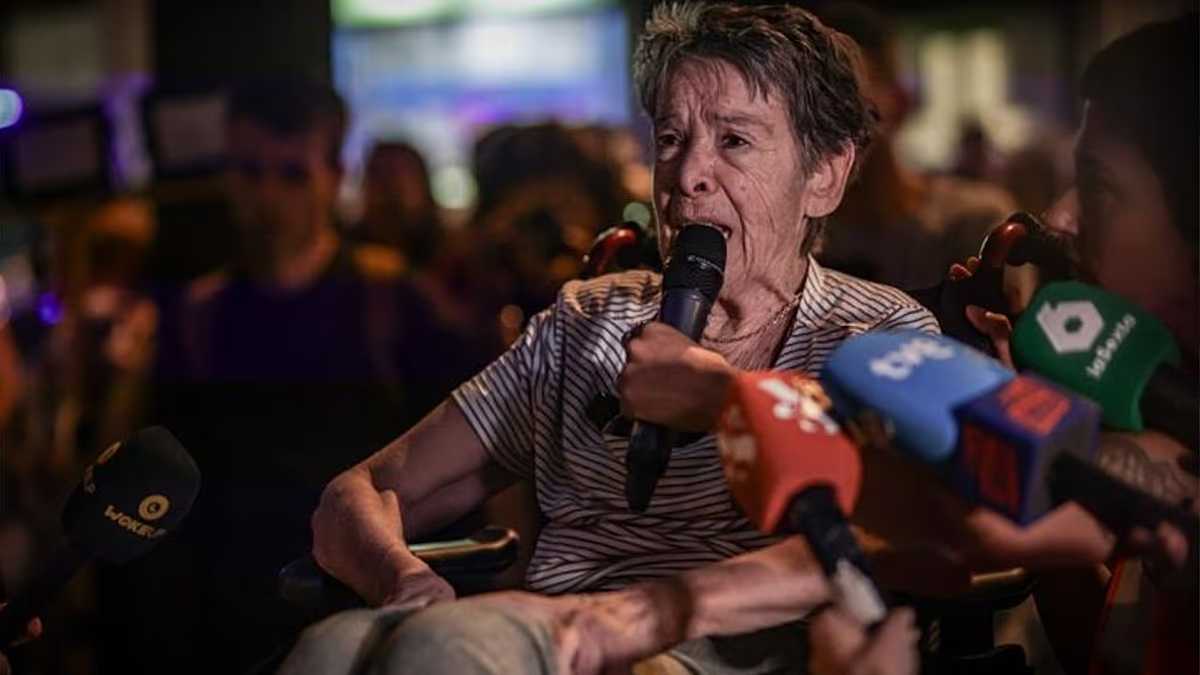
Madrid Pensioner Evicted After 71 Years, Sparking Nationwide Protests Over Housing Crisis
The forced eviction of 87-year-old Maricarmen Abascal from her longtime Madrid home has triggered widespread protests across Spain and renewed debate about tenant rights and rising housing costs.
28 sources · over 5 days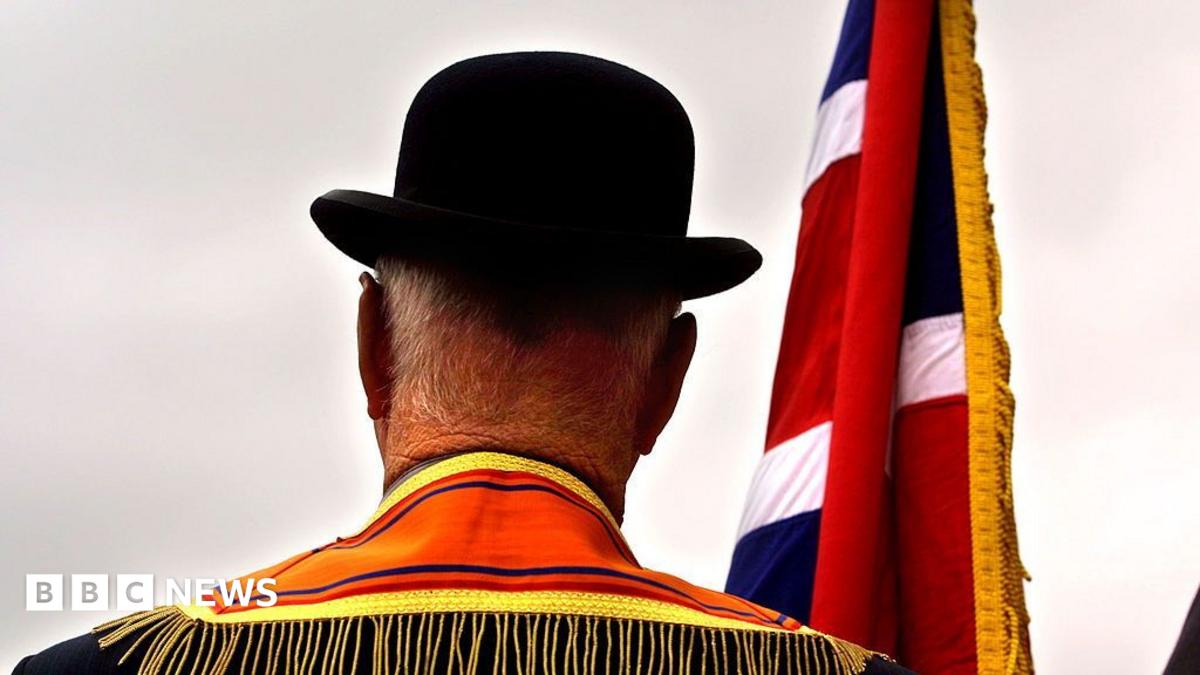
Orange Order Parade Blocked by Thousands on Garvaghy Road
Protesters physically blocked the Orange Order parade in Portadown, leading to a tense standoff and the march being halted.
24 sources · over 7 days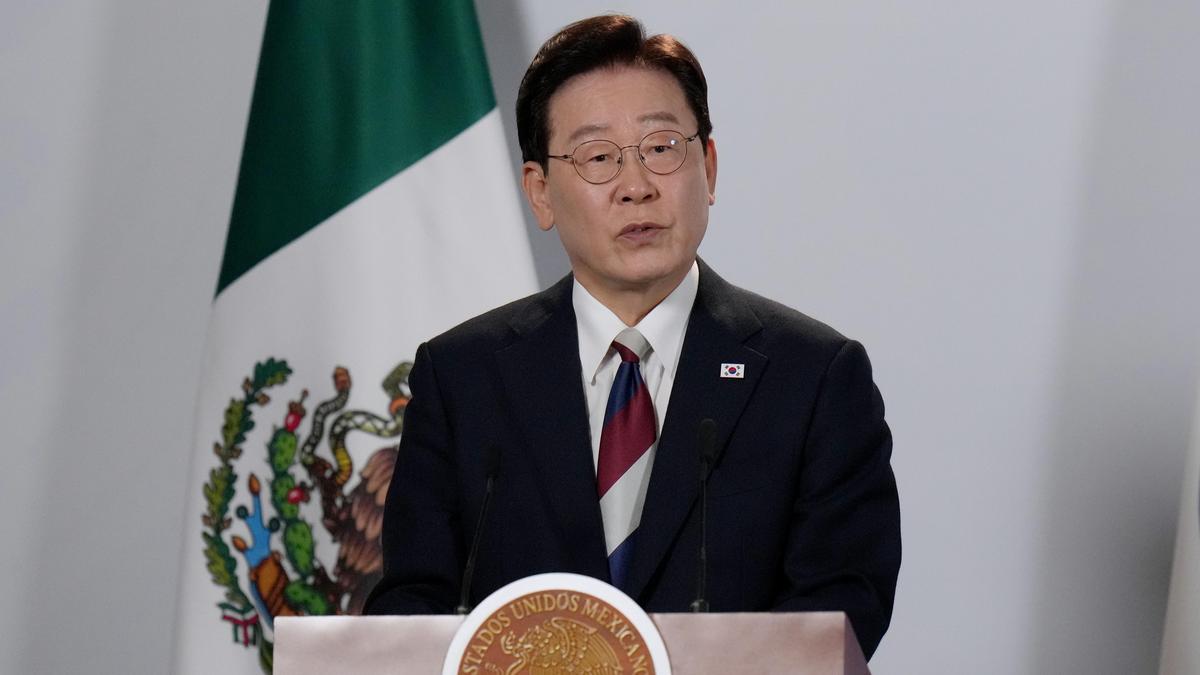
South Korea Demands Apology After Ukraine Reveals POW Transfer Deal
South Korea has demanded an official apology from Ukraine after details emerged about the confidential transfer of North Korean prisoners of war, straining ties between the two countries.
11 sources · today