Center-left Takes Slim Lead in Sweden Election, Far Right Slips
Exit polls put the Social Democrats ahead, with the far-right Sweden Democrats falling back as results come in.
By Elena Petrova · First published 13 Sept 2026
In brief
- Exit polls indicate the center-left opposition is leading with about 51 percent of the vote, ahead of the right-wing bloc.
- The Social Democrats, led by Magdalena Andersson, are poised to return to power after four years in opposition.
- The far-right Sweden Democrats have lost support compared to expectations, ending hopes for their first government role.
- Key election issues included crime, welfare, national security, and immigration, which shaped voter turnout and preferences.
- The final results remain close, and it is still unclear which bloc will be able to form a government.
Timeline · 9 moments
Sweden's ruling coalition relies on far-right support
The Independent ↗Party leaders intensify campaigns as election nears
Arab News ↗Sweden Democrats could enter government for first time
CBS Top Stories ↗Russia and security dominate late campaign debates
CNBC International ↗Polls show narrowing gap between left and right blocs
Il Post ↗Swedes vote in close general election
© Jonathan Nackstrand, AFP ↗Far-right eyes historic breakthrough as voting begins
Deutsche Welle ↗Voting begins in Sweden's tightly contested general election
Al Jazeera ↗Long lines and high turnout seen as Swedes vote
RSS di - ANSA.it ↗Update 13 Sept 2026, 10:05 pm UTC
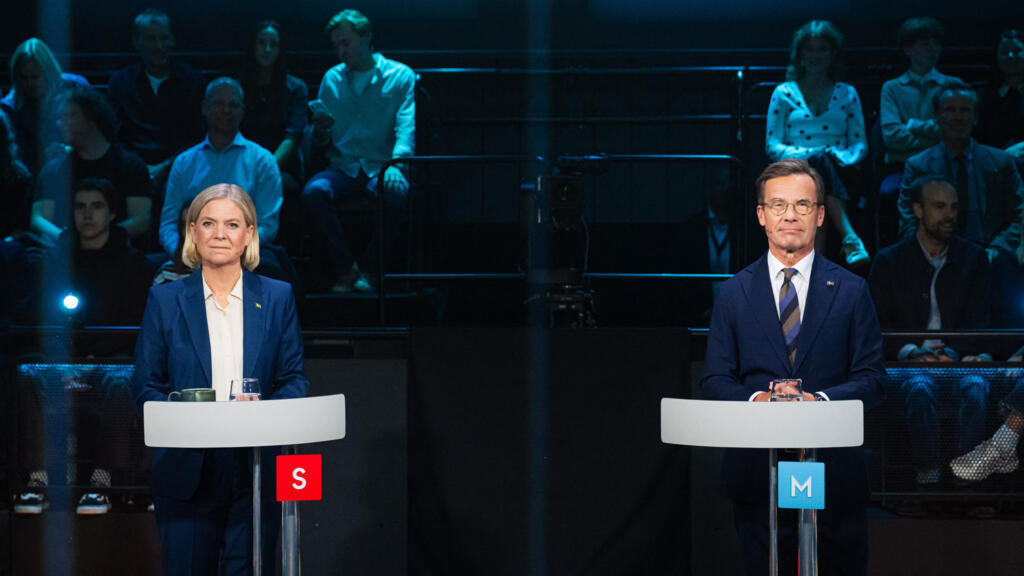
Exit polls now show the center-left opposition led by the Social Democrats with a narrow lead over the right-wing bloc. The far-right Sweden Democrats have lost ground compared to pre-election expectations, but the final outcome remains close and government formation is still uncertain.
Update 13 Sept 2026, 6:12 pm UTC
Sweden's election has begun with voters heading to the polls in a tightly contested race. The far-right Sweden Democrats are closer than ever to entering government, while high turnout and long lines have been reported.
How it started
Sweden has long been known for its social-democratic model, strong welfare state, and liberal policies. In recent years, however, there has been increasing debate over issues like immigration, crime, and national security. The far-right Sweden Democrats, once marginalized due to their extremist roots, have gradually gained support.
Political shifts across Europe have influenced Sweden's climate, with populist and anti-immigration parties rising elsewhere. As Sweden joined NATO and faced new security challenges, these debates became more urgent. The election was set against this backdrop, with voters weighing tradition against dramatic change.
How it unfolded
As the campaign began in late summer 2026, the ruling center-right coalition, led by Prime Minister Ulf Kristersson, relied on outside support from the Sweden Democrats, an anti-immigration party with far-right origins, according to The Independent.
By early September, the election race had tightened. Party leaders from both the center-left and right-wing blocs campaigned vigorously, with many analysts noting that the far-right could enter government for the first time if the right coalition wins, as reported by CBS Top Stories.
Key issues on the campaign trail included welfare policy, rising crime, national security, and Sweden's foreign policy, especially its new NATO membership and concerns over Russia. CNBC International highlighted how Russia's war and increased defense spending became central topics.
With only days left before voting, polls showed the center-left led by former Prime Minister Magdalena Andersson holding a slim edge, but the gap was narrowing fast. Il Post noted that what once seemed a predictable outcome was now highly uncertain.
On September 13, Swedes headed to the polls in what many described as a historic, knife-edge election. The Sweden Democrats' possible entry into government marked a major shift in Swedish politics, according to Deutsche Welle.
Where it stands
Voting is underway in Sweden's general election, with the outcome still too close to call. The main contest is between the center-left bloc, aiming for a return to power, and a right-wing coalition that now openly includes the Sweden Democrats as a potential government partner.
The result will determine whether Sweden continues its tradition of social democracy or shifts toward a more conservative, populist direction. The election is seen as a turning point that could influence Swedish policy on welfare, security, and its international role.
What to watch
Election results are expected soon. The key question is whether the Sweden Democrats will enter government for the first time or remain outside formal power. The outcome will also shape Sweden's approach to immigration, crime, and its position within NATO and the European Union.
More in Politics
All →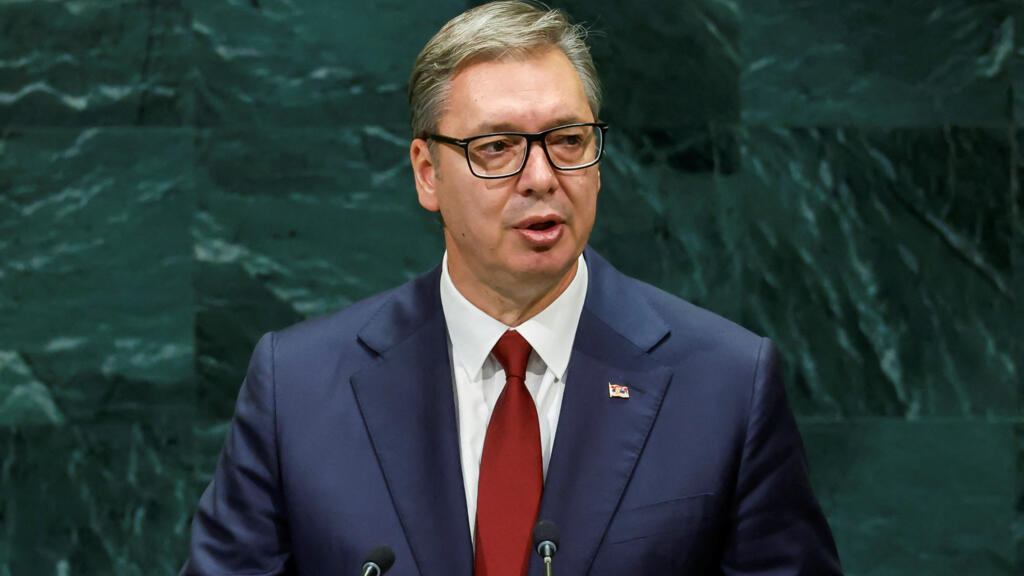
Serbian President Aleksandar Vucic Resigns Ahead of Parliamentary Elections, Eyes Prime Minister Role
Aleksandar Vucic has stepped down as Serbia's president just before early elections, setting the stage for a possible transition to prime minister and a major shift in the country's leadership.
17 sources · today
Andy Burnham Faces Early Tests as UK Prime Minister Amid Labour Unrest
Andy Burnham's first weeks as UK Prime Minister have been shaped by high-profile diplomacy, internal Labour divisions, and a refusal to call an early election, setting the stage for his first party conference.
15 sources · over 6 days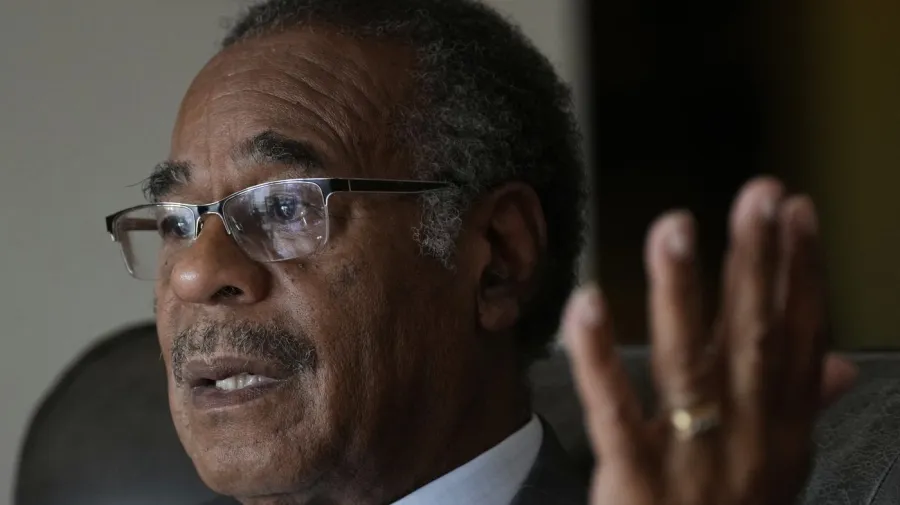
Supreme Court Blocks Missouri GOP Congressional Map for Third Time
The US Supreme Court has again halted Missouri Republicans from using a favored congressional map, leaving the state's redistricting unresolved as midterm elections approach.
11 sources · over 2 days