Swiss Voters Reject Neutrality Tightening by Over 70 Percent
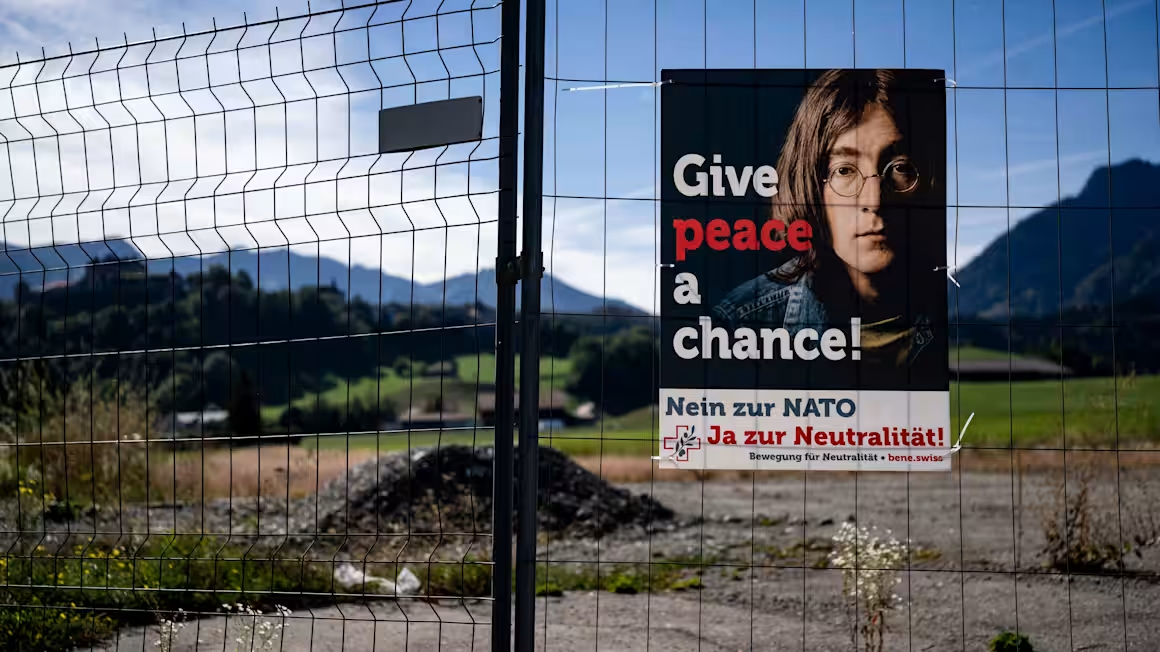
Final results show more than 70 percent of Swiss voters rejected stricter neutrality rules, with all cantons voting no.
By Priya Raghunathan · First published 27 Sept 2026
In brief
- Switzerland held a referendum on tightening neutrality rules, focusing on cooperation with NATO and international sanctions.
- Over 70 percent of voters rejected the proposal, with every canton voting against adding stricter neutrality to the Constitution.
- The initiative was led by the right-wing Swiss People's Party and criticized as 'pro-Russian' by opponents.
- The rejected plan would have limited Switzerland to only UN-mandated sanctions and banned joining military alliances.
- Swiss officials confirmed the result allows continued case-by-case decisions on sanctions and flexible neutrality policy.
Timeline · 8 moments
Swiss voters expected to reject stricter neutrality in advance polling
Japan Times ↗Referendum debate intensifies as neutrality faces a crossroads
NPR News ↗Swiss citizens prepare to vote on neutrality amendment
Deutschlandfunk - Fortlaufende Nachrichten vom 24. August 2026 ↗Switzerland votes on stricter neutrality proposal
Financial Times ↗Early projections show majority rejects stricter neutrality
DER SPIEGEL - Schlagzeilen – Tops ↗Official projections: 71 percent vote against stricter neutrality
DIE WELT ↗Swiss voters reject stricter neutrality with 68.8% 'no' vote
La Repubblica ↗Swiss foreign minister confirms case-by-case sanctions policy
Japan Times ↗Update 28 Sept 2026, 4:58 am UTC
Newer reports clarify that over 70 percent of Swiss voters rejected the proposal, a slightly higher margin than initially reported. All cantons voted against the measure, and officials emphasized Switzerland will continue to decide on sanctions case by case.
Update 27 Sept 2026, 4:43 pm UTC
Final results show about 68.8% of Swiss voters rejected the stricter neutrality initiative, slightly lower than early projections of 71%. The proposal was strongly backed by the hard-right and criticized as 'pro-Russian' by opponents, but most voters opted to keep the current flexible neutrality policy.
How it started
Switzerland has long been famous for its policy of armed neutrality, a principle enshrined in its constitution since 1848. The country's approach allows it to avoid military alliances and foreign wars, but it also gives the government some flexibility in responding to international crises.
The recent push for stricter neutrality was sparked by controversy over Switzerland's response to Russia's war in Ukraine. In 2022, Switzerland joined European Union sanctions against Russia, a move that angered some Swiss citizens and politicians who believed it violated the spirit of neutrality. This led to a popular initiative calling for a clearer, stricter definition of neutrality to be added to the constitution.
How it unfolded
By September 2026, the debate over Swiss neutrality had become a major national issue. Outlets reported heightened public interest as the referendum approached, with many citizens questioning how neutrality should function in a changing global environment.
On September 24, news outlets noted that most analysts expected voters to reject the initiative. The proposal aimed to ban Switzerland from joining any military alliances unless directly attacked and would severely restrict the government's ability to impose sanctions except those mandated by the United Nations.
The referendum was held on September 27, 2026. Early exit polls and projections indicated a clear majority against the stricter neutrality amendment. As results came in, it became apparent that the initiative had failed, with about 71 percent of voters rejecting the proposal according to preliminary figures.
Much of the debate focused on Switzerland's recent actions regarding Russia, with some arguing that sanctions were justified in the face of aggression, while others feared that any involvement could jeopardize the country's reputation for impartiality.
Where it stands
With the official rejection of the proposal, Switzerland's current flexible approach to neutrality remains in place. The government retains the authority to join international sanctions and engage in limited cooperation, as long as it does not join military alliances or take part in armed conflicts.
The referendum result reflects a broad consensus among Swiss voters that strict constitutional limits on neutrality are not necessary at this time. However, the debate over what neutrality means in practice is likely to continue, especially as international tensions and conflicts evolve.
What to watch
Switzerland's government will need to navigate future foreign policy decisions carefully, balancing its tradition of neutrality with international expectations. The debate over sanctions and neutrality is likely to resurface if new conflicts arise or if Switzerland is pressured to take a clearer stance.
More in World
All →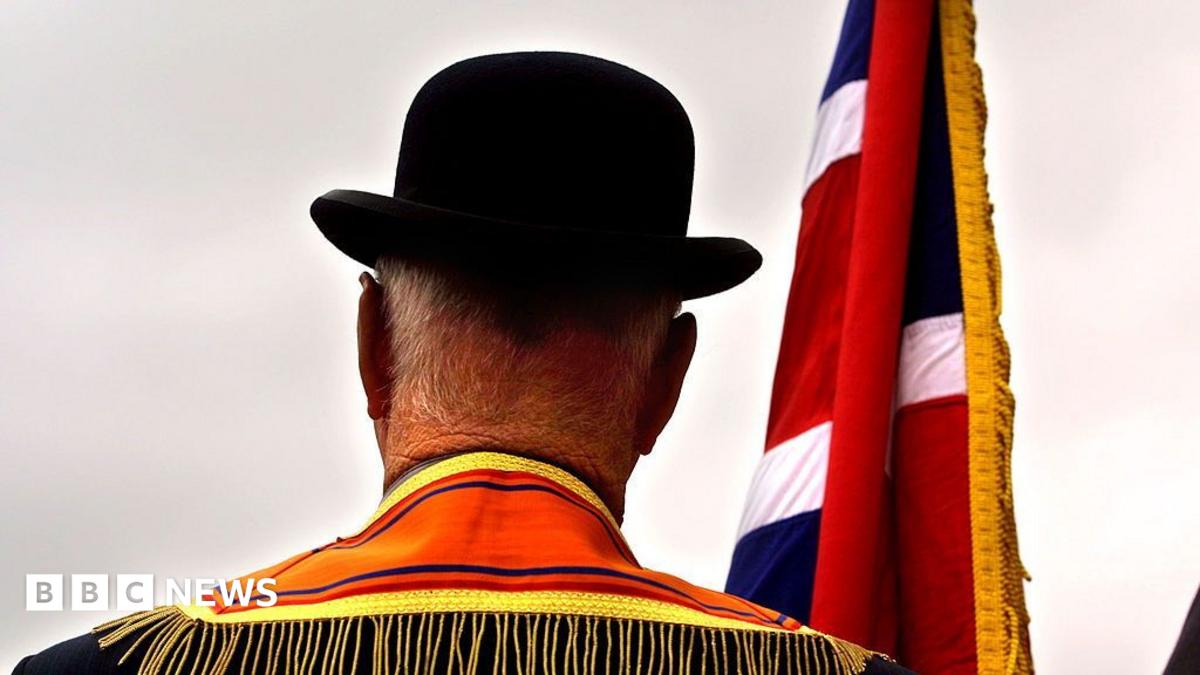
Orange Order Parade Blocked by Thousands on Garvaghy Road
Protesters physically blocked the Orange Order parade in Portadown, leading to a tense standoff and the march being halted.
24 sources · over 7 days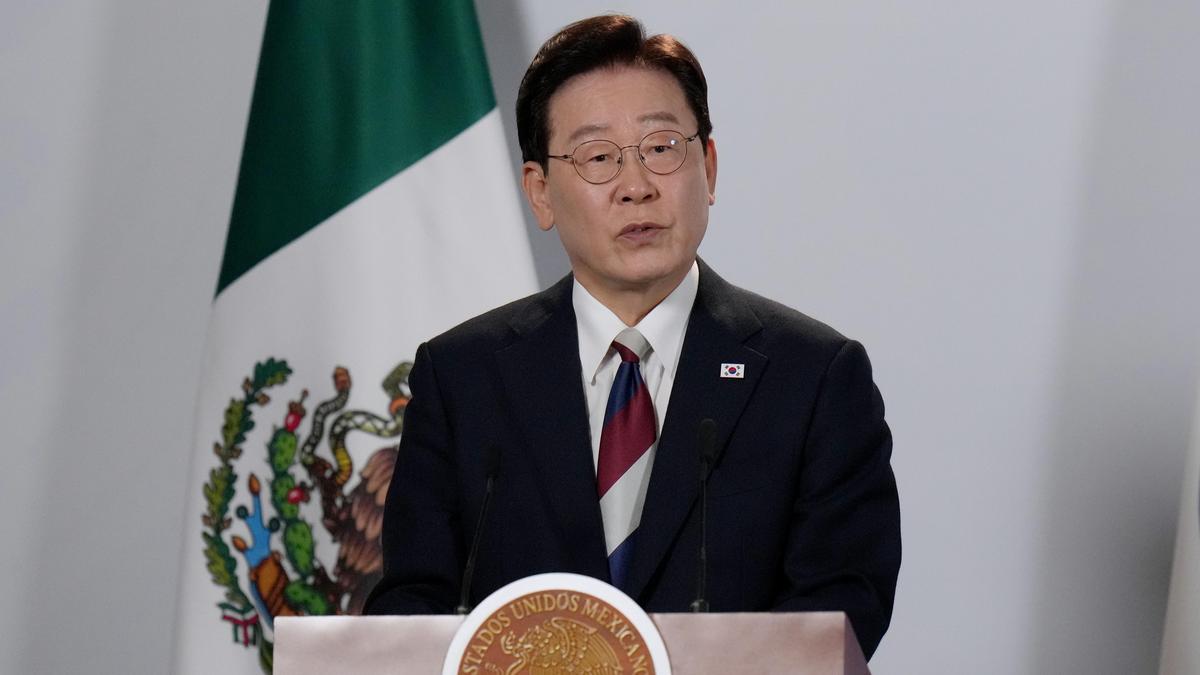
South Korea Demands Apology After Ukraine Reveals POW Transfer Deal
South Korea has demanded an official apology from Ukraine after details emerged about the confidential transfer of North Korean prisoners of war, straining ties between the two countries.
11 sources · today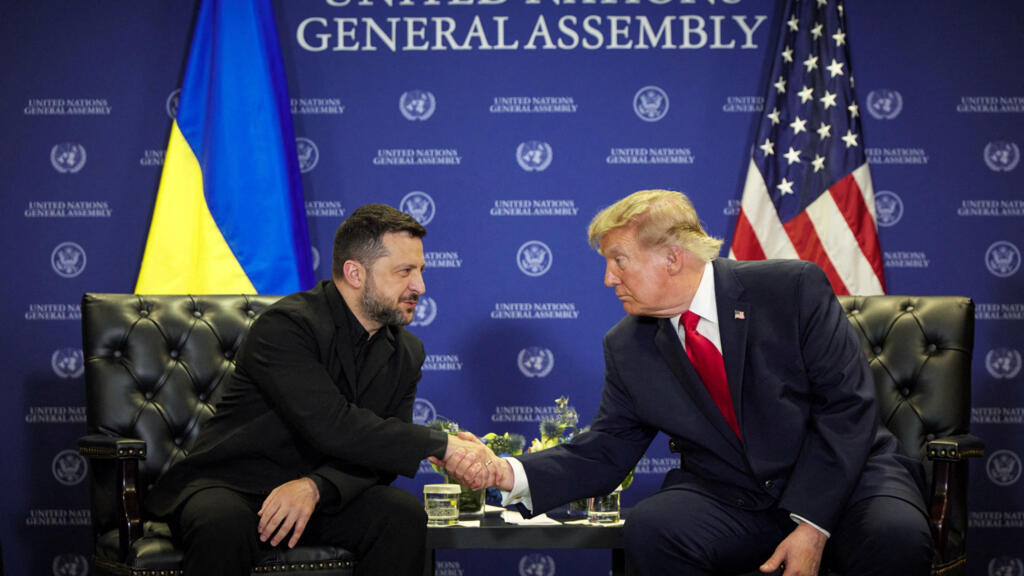
Zelensky Proposes Energy Ceasefire With Russia After Meeting Trump in New York
Ukrainian President Zelensky has offered to halt strikes on Russian energy sites if Moscow does the same, aiming to de-escalate the conflict before winter sets in.
44 sources · over 9 days