Over 1,000 UK Flights Cancelled After Air Traffic Glitch Resolved
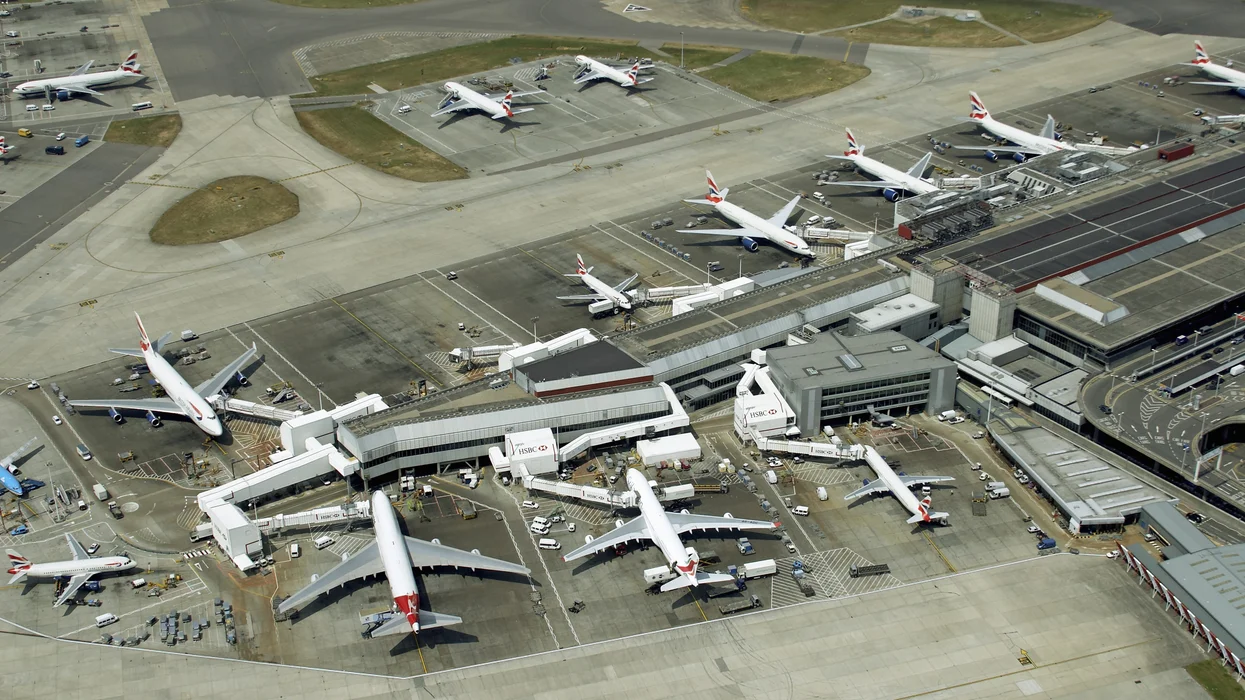
UK air traffic control has resolved the technical issue, but more than 1,000 flight cancellations and ongoing delays are affecting travelers.
By Grace Whitfield · First published 8 Sept 2026
In brief
- A technical failure in the UK air traffic control system caused widespread flight disruptions on September 8, 2026.
- More than 1,000 flights were cancelled and major airports such as Heathrow, Gatwick, and Manchester experienced significant delays.
- The technical issue has been resolved, but airlines and airports expect disruptions and delays to continue for several days.
- Nearly 1,300 flights may have been affected, impacting hundreds of thousands of passengers at 15 major airports across the UK.
- The cause of the failure is under investigation, and the NATS chief is meeting with the Transport Secretary amid calls for reform.
Timeline · 5 moments
Technical failure grounds flights at Heathrow and Gatwick
Home | GB News ↗National Air Traffic Services confirms engineers are investigating
Financial Times World ↗EasyJet says some flights cannot operate due to the issue
BBC - Home ↗Arriving flights less affected, but delays grow across UK airports
PA Media: UK News ↗Disruptions expected for days as NATS chief faces scrutiny
Daily Mail ↗Update 9 Sept 2026, 2:24 am UTC
The technical glitch has now been resolved, but the number of cancelled flights has risen sharply to over 1,000, with some reports putting it near 1,300. Disruptions are expected to continue for several days as airports and airlines work through the backlog. The head of NATS is set to meet the Transport Secretary amid growing calls for accountability. The cause of the failure is still under investigation.
Update 8 Sept 2026, 7:31 pm UTC
The technical issue has now been resolved, but disruption continues with hundreds of flights cancelled and delays expected to last into the evening. More than 400 flights were cancelled, affecting over 400,000 passengers at 15 airports, and recovery is ongoing as the backlog is cleared, according to Reuters and PA Media.
How it started
On the morning of September 8, 2026, a technical failure in the UK's air traffic control systems triggered immediate concern at major airports. The issue was first noticed at London Heathrow and Gatwick, two of the country's busiest airports.
Air traffic control authorities quickly acknowledged the problem and began investigating, but the disruption spread rapidly. Passengers and airlines received early warnings to expect delays and to check flight statuses before traveling.
How it unfolded
As the day progressed, the impact of the technical issue grew. By midday, both Heathrow and Gatwick airports had grounded departing flights, causing large crowds and confusion in terminals.
According to Financial Times World, National Air Traffic Services engineers began urgent work to identify and fix the fault. Airlines such as EasyJet confirmed that some of their flights could not operate, leaving many passengers stranded, as reported by the BBC.
The disruption was not limited to London. Other UK airports also experienced delays and cancellations, with reports of widespread frustration among travelers. elEconomista.es noted that the problem particularly affected departures from the main airports.
Despite the chaos for outbound flights, Heathrow Airport said that arriving flights were less affected. Passengers were repeatedly urged to check with their airlines for updates, as the situation remained fluid throughout the afternoon.
Where it stands
As of the latest updates, the technical failure has not yet been fully resolved, and significant delays remain in place at major UK airports. Departures continue to be the most affected, while arrivals are operating more normally.
Authorities and engineers are still working to restore full air traffic control capabilities. Travelers are advised to remain in close contact with their airlines for the latest information on flight schedules.
What to watch
The main focus now is on how quickly engineers can resolve the air traffic control issue. The cause of the failure has not yet been made public. There is also uncertainty about how long flight schedules will remain disrupted and what knock-on effects this will have for travelers in the coming days.
More in World
All →
Madrid Pensioner Evicted After 71 Years, Sparking Nationwide Protests Over Housing Crisis
The forced eviction of 87-year-old Maricarmen Abascal from her longtime Madrid home has triggered widespread protests across Spain and renewed debate about tenant rights and rising housing costs.
28 sources · over 5 days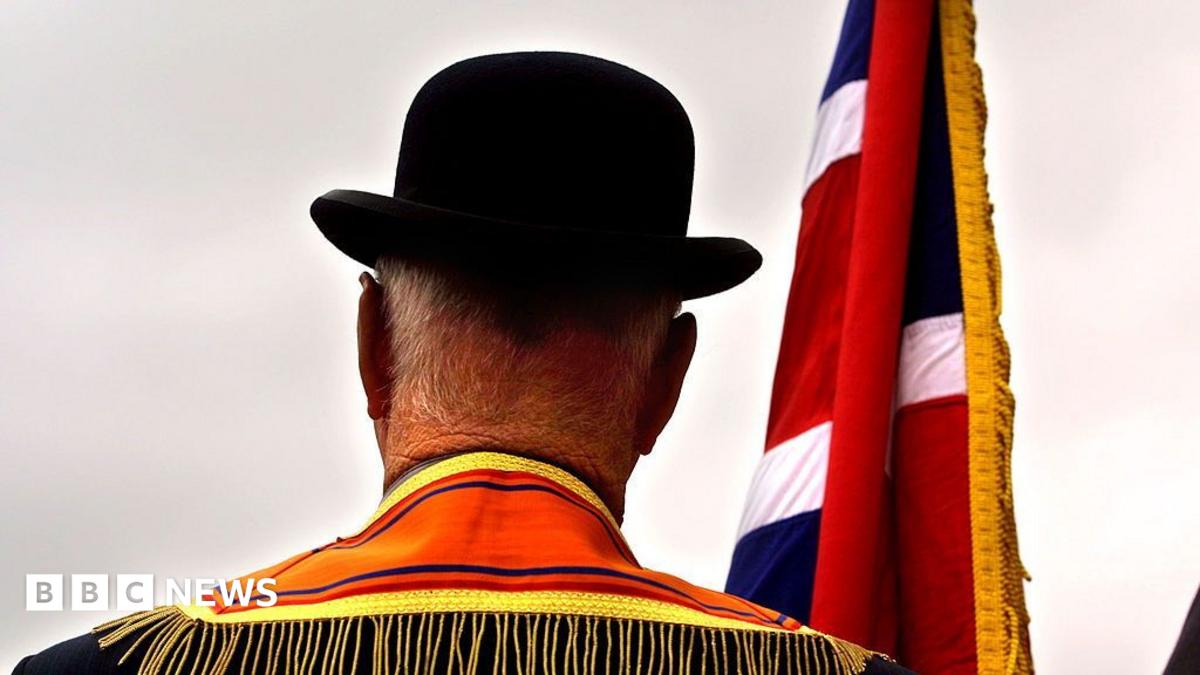
Orange Order Parade Blocked by Thousands on Garvaghy Road
Protesters physically blocked the Orange Order parade in Portadown, leading to a tense standoff and the march being halted.
24 sources · over 7 days
South Korea Demands Apology After Ukraine Reveals POW Transfer Deal
South Korea has demanded an official apology from Ukraine after details emerged about the confidential transfer of North Korean prisoners of war, straining ties between the two countries.
11 sources · today