No Confirmed Russia-Ukraine Energy Truce as Zelensky Denies Deal
Zelensky says Ukraine will only halt strikes if Russia reciprocates, contradicting Trump's claim of an agreed energy truce.
By Elena Petrova · First published 14 Sept 2026
In brief
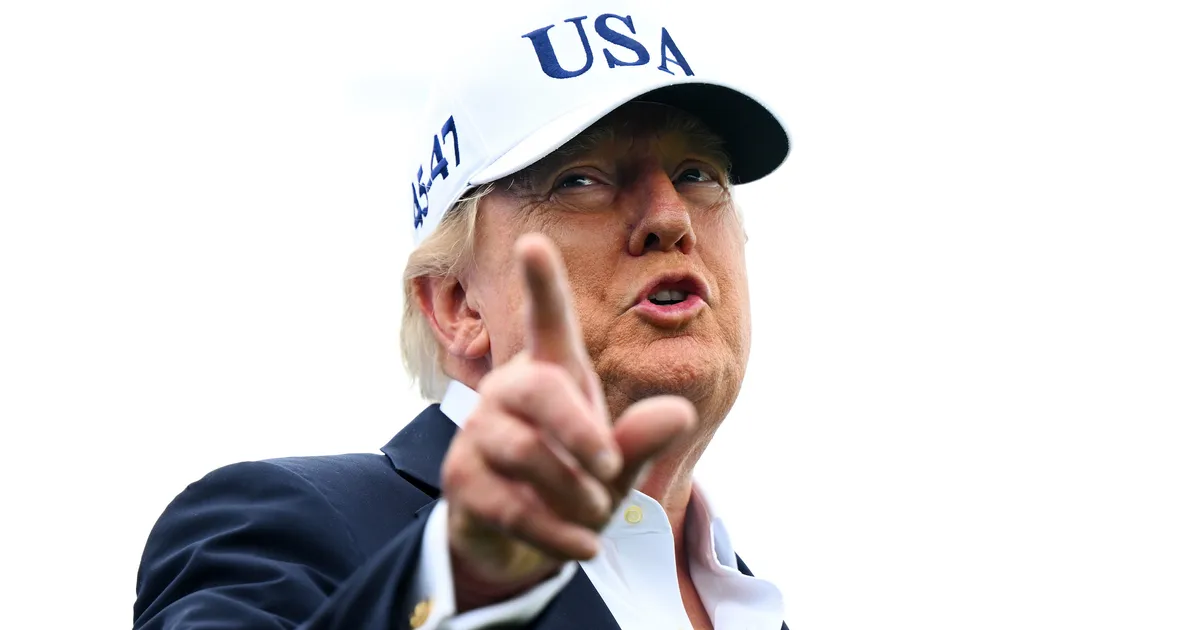
- Donald Trump announced a supposed Russia-Ukraine agreement to stop attacks on energy infrastructure, but no confirmation has emerged from either side.
- Ukrainian President Zelensky denied a deal exists, stating Ukraine will only consider de-escalation if Russia also halts its strikes.
- Russia has not commented or confirmed any agreement, and previous attempts to halt energy attacks have failed.
- Diesel prices in the United States remain at a record $6.23 per gallon, with debate continuing over the causes.
- International observers report no formal steps or concrete agreements between Moscow and Kyiv regarding energy infrastructure attacks.
Timeline · 10 moments
Russia bans diesel exports after Ukrainian strikes
The Hindu ↗Trump urges Ukraine to halt attacks on Russian diesel
World News - Breaking News, Top Stories ↗U.S. diesel prices surpass six dollars per gallon
Mint ↗Trump blames Ukraine for global diesel shortage
The New York Times ↗Fuel rationing and shortages spread in Russia
NDTV Top Stories ↗Trump reiterates call to stop refinery strikes
The Hill ↗Diesel price surge prompts debate over causes
CNBC ↗Trump claims Russia and Ukraine agree to halt energy strikes
New York Post ↗Zelensky says Ukraine open to halt if Russia reciprocates
Fanpage ↗Ukraine says no ceasefire until Russia stops attacks
The Guardian ↗Update 15 Sept 2026, 10:58 am UTC
Ukrainian President Zelensky has publicly denied that a ceasefire on energy infrastructure has been agreed, stating Ukraine is only willing to halt strikes if Russia does the same. Russia has not confirmed any agreement, and international outlets report skepticism about Trump's claim of a truce. Diesel prices in the US remain high, and the causes are still debated by experts.
Update 14 Sept 2026, 7:26 pm UTC
Trump publicly claimed that Russia and Ukraine have agreed to stop attacking each other's energy infrastructure, but neither government has confirmed any such deal. Ukrainian President Zelensky said Ukraine is willing to halt strikes if Russia does the same, while Kyiv requested further details from international partners.
Update 14 Sept 2026, 4:26 pm UTC
Donald Trump announced that Russia and Ukraine have agreed to halt strikes on each other's energy infrastructure, including diesel refineries. Diesel prices in the United States remain at record highs, with the national average reaching $6.23 per gallon.
How it started
Tensions around global fuel supplies have been rising for months, fueled by ongoing conflicts in multiple regions. Ukraine has conducted long-range strikes against Russian oil and gas targets, aiming to disrupt Russian military logistics and revenue. These attacks have led Russia to impose fuel rationing at home and ban diesel exports, which tightened global supplies. At the same time, the United States has been involved in a separate war with Iran, further straining the international energy market.
How it unfolded
On September 13, 2026, Donald Trump called on Ukrainian President Volodymyr Zelenskyy to halt strikes on Russian diesel infrastructure, arguing that these operations were contributing to a worldwide diesel shortage. He made these remarks as diesel prices in the United States hit record levels, surpassing six dollars per gallon. Trump insisted that the root cause of the spike was not the conflict with Iran, but rather Ukraine's attacks on Russian refineries.
Various news outlets reported on Trump's comments, highlighting his argument that Ukraine bears responsibility for the current fuel crisis. The Financial Times noted that Trump specifically denied his war with Iran was to blame, while outlets such as Al Jazeera and the Washington Post reported the growing concern about inflation and fuel supply among American consumers. Ukrainian officials have not issued a direct response yet, but the remarks have sparked debate among international observers and policymakers.
The situation has been complicated by other factors, such as Houthi attacks on oil facilities in Saudi Arabia, which have also affected the diesel and gasoline markets. Still, Trump has kept his focus on Ukraine's actions against Russian energy infrastructure.
Where it stands
As of now, Trump has publicly placed blame on Ukraine for the global diesel shortage and called for an end to its strikes on Russian targets. Diesel prices remain at historic highs in the United States, and the debate over the causes continues. Ukrainian strikes on Russian oil and gas infrastructure are ongoing, while Russia maintains its restrictions on diesel exports. International observers are watching for further responses from both Kyiv and Washington.
What to watch
Key questions remain about whether Ukraine will adjust its military strategy in response to Trump's request. Observers are also watching for official responses from Ukrainian leaders and for any shifts in U.S. policy or sanctions that could follow this public appeal.
More in Politics
All →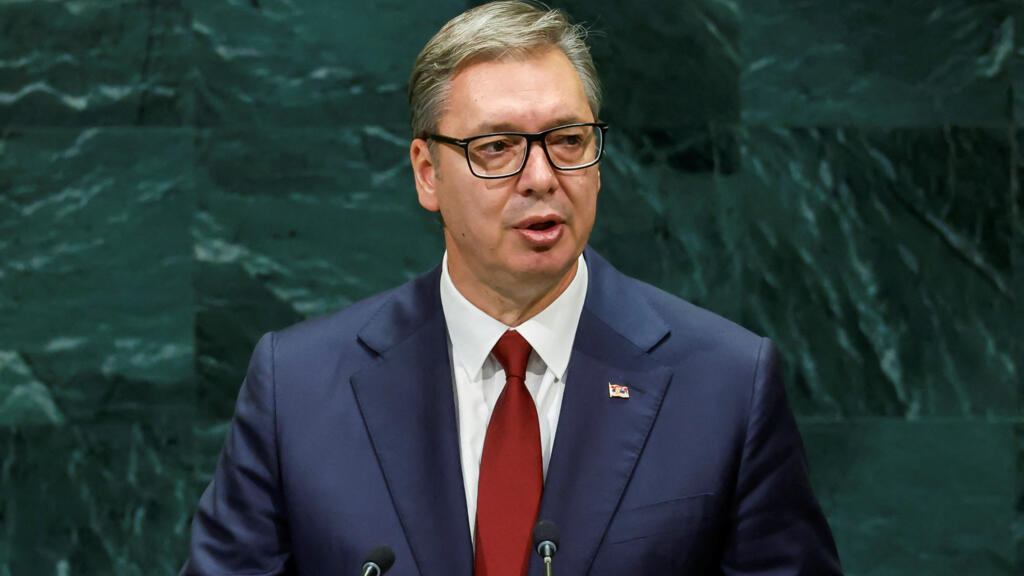
Serbian President Aleksandar Vucic Resigns Ahead of Parliamentary Elections, Eyes Prime Minister Role
Aleksandar Vucic has stepped down as Serbia's president just before early elections, setting the stage for a possible transition to prime minister and a major shift in the country's leadership.
17 sources · today
Andy Burnham Faces Early Tests as UK Prime Minister Amid Labour Unrest
Andy Burnham's first weeks as UK Prime Minister have been shaped by high-profile diplomacy, internal Labour divisions, and a refusal to call an early election, setting the stage for his first party conference.
15 sources · over 6 days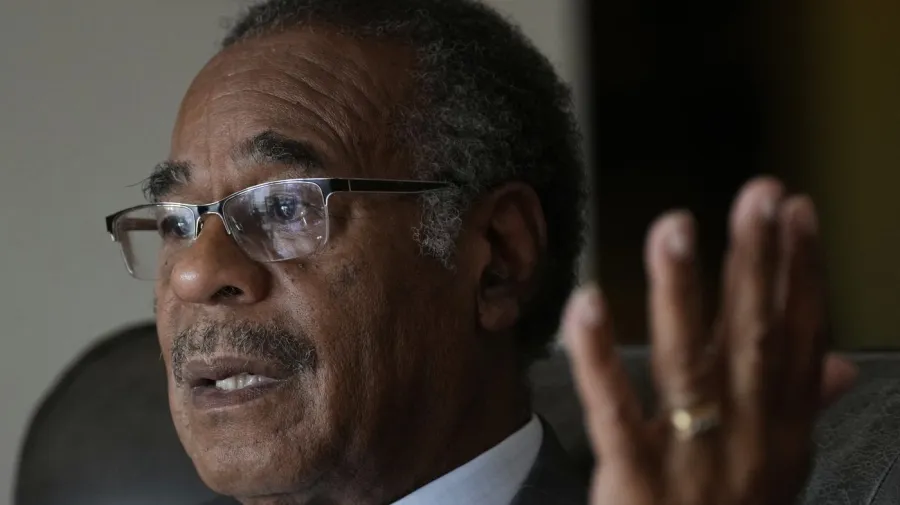
Supreme Court Blocks Missouri GOP Congressional Map for Third Time
The US Supreme Court has again halted Missouri Republicans from using a favored congressional map, leaving the state's redistricting unresolved as midterm elections approach.
11 sources · over 2 days