Trump Cancels Nearly $1 Billion in Federal Funds Using Rare Budget Move
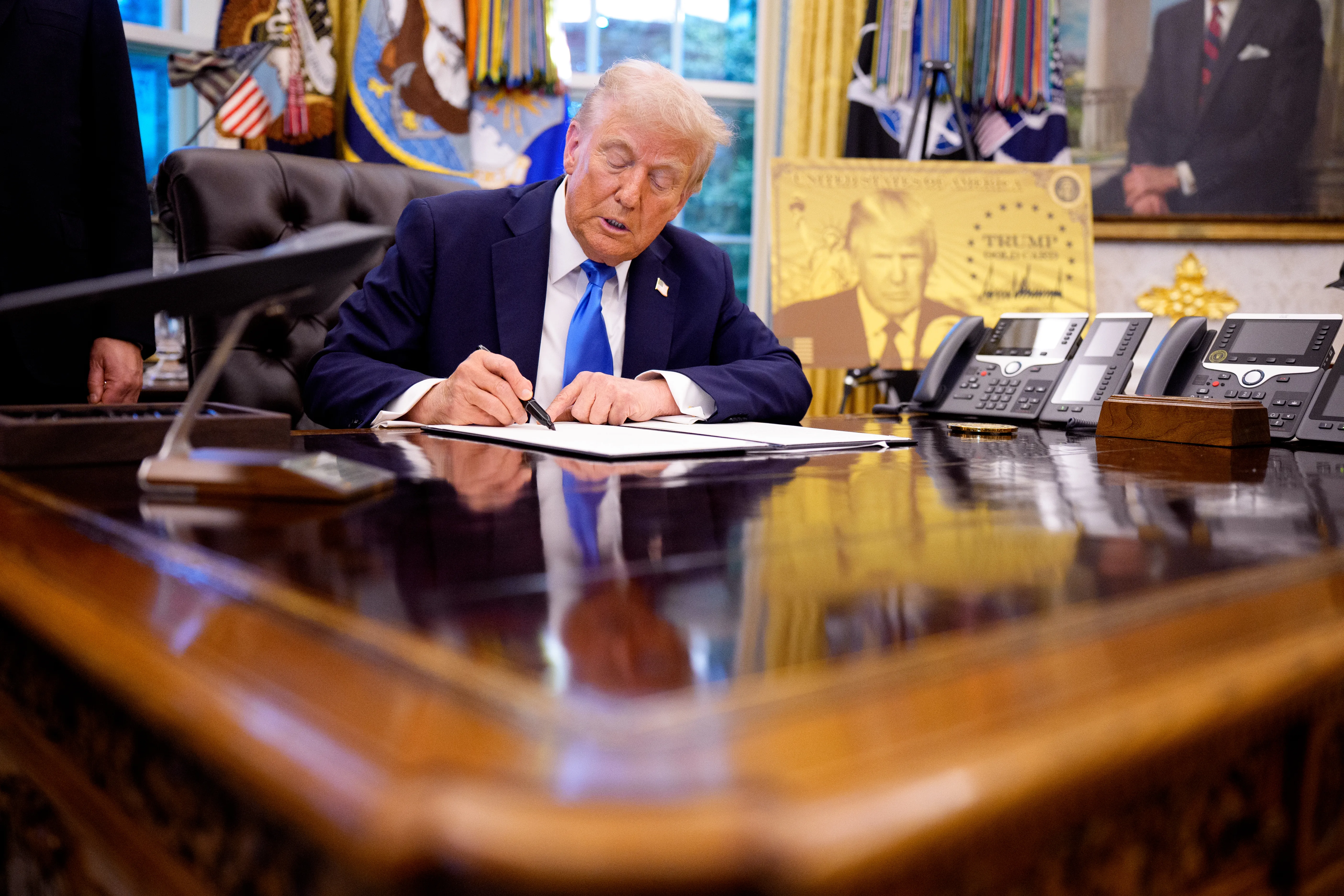
President Trump revoked almost $1 billion in congressionally approved funding targeting immigration and race-focused programs, triggering bipartisan criticism and raising questions about executive authority over spending.
By Ethan Cole · First published 28 Sept 2026
In brief
- President Trump canceled nearly $1 billion in federal spending using a rarely used process called a pocket rescission.
- The rescinded funds mainly targeted programs for immigrant services and diversity or race-focused initiatives.
- Lawmakers from both parties objected, arguing the move bypassed Congress's constitutional authority to control federal spending.
- The White House said the cancellations aimed to cut what it called unnecessary or harmful expenditures before the fiscal year ended.
- The legality of Trump's maneuver is under dispute and could prompt further political or legal challenges in the coming weeks.
Timeline · 6 moments
Trump announces nearly $1 billion in funding cuts by pocket rescission
New York Post ↗Trump informs Congress of unilateral funding cancellation
Politico ↗White House publicly details rescission and its targets
ABCNews.com ↗Lawmakers from both parties criticize the move as illegal
NBC News ↗White House justifies cuts as taxpayer protection ahead of fiscal year end
Mint ↗Ongoing debate over the legality of Trump's rescission
NPR Politics ↗How it started
President Donald Trump has often clashed with Congress over federal spending priorities, especially on issues like immigration and diversity initiatives. In late September 2026, as the fiscal year drew to a close, Trump signaled he would use a rare executive tool to revoke previously approved funds.
This budget maneuver, known as a pocket rescission, allows the president to cancel certain appropriations without direct approval from Congress. The tactic is unusual and controversial, with legal experts and lawmakers divided on its legitimacy.
How it unfolded
On September 25, 2026, President Trump formally announced the cancellation of nearly $1 billion in congressionally approved funding. The move specifically targeted programs supporting illegal immigrants and race-related initiatives, according to multiple reports.
The White House communicated the decision to congressional leaders, explaining that the aim was to protect taxpayers and eliminate what it viewed as unnecessary spending. The rescission affected a range of government programs, including those within the Health and Human Services Department.
Lawmakers from both parties reacted quickly and sharply. Many described the action as an illegal overreach by the executive branch, arguing that only Congress has the constitutional power to control federal expenditures. Both Republican and Democratic members criticized the administration for bypassing established procedures.
Coverage revealed that this was the second time the Trump administration had used the pocket rescission process, further increasing tensions between the White House and Capitol Hill. As news of the move spread, legal and political experts debated its validity and possible consequences.
Where it stands
The cancellation of nearly $1 billion in funding remains in effect for now, but its legality is being hotly debated. Lawmakers have not ruled out possible legal action or legislative responses to challenge the maneuver.
The White House stands by its decision, framing it as a responsible use of executive authority to cut what it considers wasteful spending. However, the controversy has intensified the ongoing debate over how much power the president should have in shaping federal budgets.
What to watch
It is unclear whether Congress or affected groups will pursue legal challenges against the rescission. The dispute could set important precedents for future executive actions on federal spending.
Lawmakers may also attempt to reassert their authority over appropriations through new legislation or oversight hearings in the coming weeks.
More in Politics
All →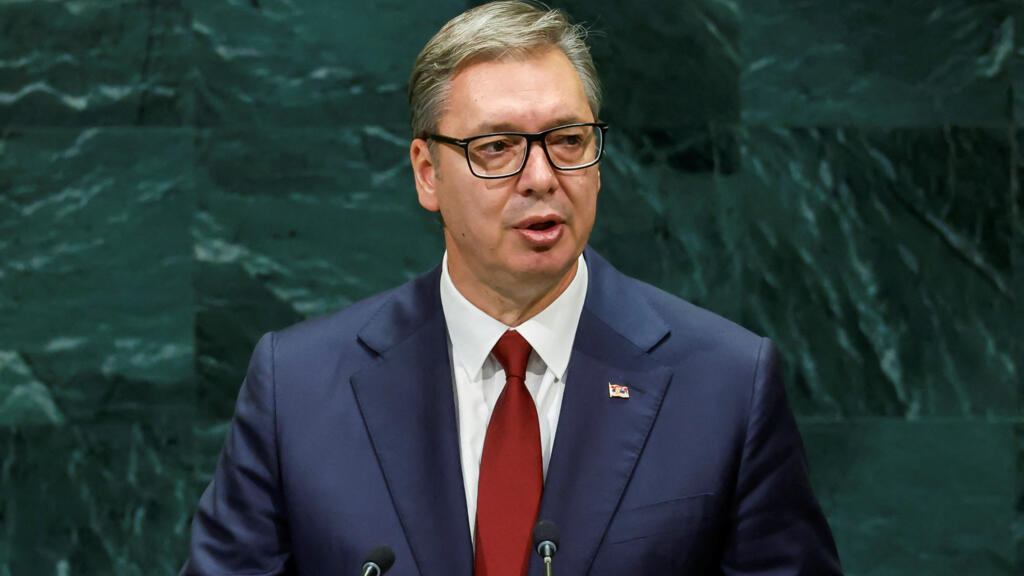
Serbian President Aleksandar Vucic Resigns Ahead of Parliamentary Elections, Eyes Prime Minister Role
Aleksandar Vucic has stepped down as Serbia's president just before early elections, setting the stage for a possible transition to prime minister and a major shift in the country's leadership.
23 sources · today
Andy Burnham Faces Early Tests as UK Prime Minister Amid Labour Unrest
Andy Burnham's first weeks as UK Prime Minister have been shaped by high-profile diplomacy, internal Labour divisions, and a refusal to call an early election, setting the stage for his first party conference.
15 sources · over 7 days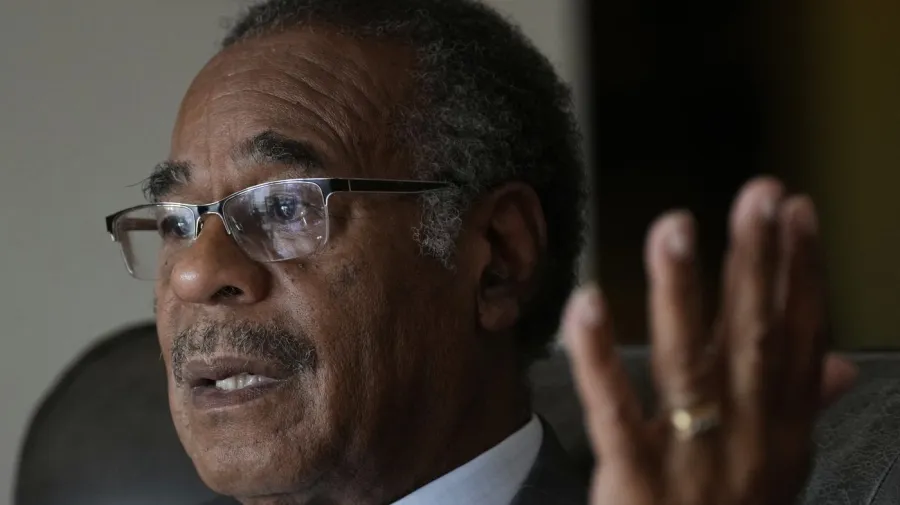
Supreme Court Blocks Missouri GOP Congressional Map for Third Time
The US Supreme Court has again halted Missouri Republicans from using a favored congressional map, leaving the state's redistricting unresolved as midterm elections approach.
11 sources · over 2 days