Ukraine Alleges Russian Drone Strikes Target Railways Near Polish Border
A series of Russian drone attacks on Ukraine's railway network near Poland has alarmed neighboring countries and led to emergency responses, raising concerns about regional security and civilian safety.
By Hannah Lindqvist · First published 13 Sept 2026
In brief
- Ukraine accuses Russia of systematically targeting its rail network, with the latest drone strike near the Polish border.
- A Russian drone hit a Kyiv-Warsaw passenger train near the Yahodyn crossing, just after top Western officials passed through.
- No casualties have been reported, but the train carried political and security advisers from several European countries.
- Poland raised its alert level and convened a crisis staff, with its leaders condemning the strike as an escalation.
- Debate continues on whether the strikes are meant to threaten NATO territory or disrupt Ukrainian logistics.
Timeline · 4 moments
Russian drones strike service station and train near Polish border
Fanpage ↗Ukraine accuses Russia of systematic railway attacks
DIE WELT ↗Kyiv-Warsaw passenger train hit by drone, passengers evacuated
Deutsche Welle ↗Poland convenes crisis staff after attacks near its border
DIE ZEIT | Nachrichten, News, Hintergründe und Debatten ↗Update 13 Sept 2026, 9:25 pm UTC
New details confirm former UK Prime Minister Boris Johnson and other senior Western officials were minutes away from the targeted train, which was hit by a Russian drone near the Polish border. Both Ukraine and Poland have condemned the strike as an escalation, and Polish Prime Minister Donald Tusk called a special meeting in response.
How it started
Tensions between Ukraine and Russia have remained high throughout 2026, with infrastructure frequently targeted on both sides of the conflict. In early September, Ukrainian officials began warning of intensified Russian efforts to disrupt logistics, particularly by targeting railways in the west of the country.
The situation escalated dramatically when Russian drones struck areas near Ukraine's border with Poland. Ukrainian authorities quickly labeled these as systematic attacks on their railway network, raising immediate concerns about the proximity to the European Union and NATO territory.
How it unfolded
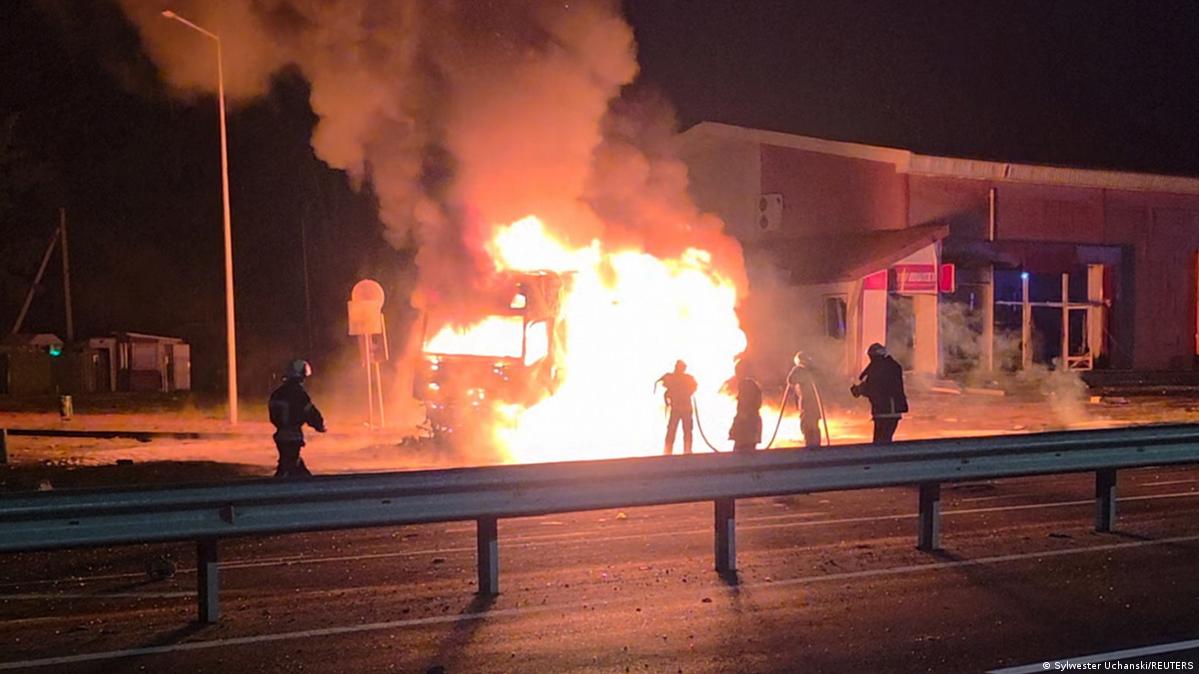
On September 13, Russian drones launched attacks in Ukraine's western regions, striking both a service station and a passenger train close to the Polish border. According to reports, the Kyiv-Warsaw train was hit near the Yahodyn crossing, just two kilometers from Poland. Several outlets confirmed that the train had been evacuated before the strike, and no injuries were reported.
Among those evacuated were political advisers and security officials from various European countries. The strikes also caused a truck to catch fire and damaged other rail infrastructure in the area.
The attacks triggered an immediate response in Poland. Polish authorities convened a crisis staff and placed their border regions on heightened alert. Ukrainian and Polish officials both described the attacks as a significant escalation, with some warning that Russian aggression was now "knocking on NATO's door."
Russian officials, meanwhile, acknowledged hitting rail targets but claimed they were transporting military supplies from Europe. In a related incident, Lithuania reported a drone incursion into its airspace, though it was later identified as a false alarm.
The strikes have been widely interpreted as part of a broader Russian strategy to undermine Ukraine's supply lines and put pressure on neighboring NATO countries.
Where it stands
As of now, no casualties have resulted from the attacks, but the strikes have heightened fears across the region. Ukrainian rail services in the west remain on high alert, and Poland continues to monitor its border closely.
Discussions are ongoing about possible diplomatic or security responses, with NATO countries watching for any further escalation. Russia has signaled openness to new trilateral talks in October, but the situation remains tense as both sides brace for potential additional attacks.
What to watch
Observers are watching closely for any further Russian attacks near NATO borders, which could draw a stronger international response. The safety of rail links between Ukraine and its European neighbors will remain a key issue, as will the possibility of new diplomatic talks to de-escalate the situation.
More in World
All →
Madrid Pensioner Evicted After 71 Years, Sparking Nationwide Protests Over Housing Crisis
The forced eviction of 87-year-old Maricarmen Abascal from her longtime Madrid home has triggered widespread protests across Spain and renewed debate about tenant rights and rising housing costs.
28 sources · over 5 days
Orange Order Parade Blocked by Thousands on Garvaghy Road
Protesters physically blocked the Orange Order parade in Portadown, leading to a tense standoff and the march being halted.
24 sources · over 7 days
South Korea Demands Apology After Ukraine Reveals POW Transfer Deal
South Korea has demanded an official apology from Ukraine after details emerged about the confidential transfer of North Korean prisoners of war, straining ties between the two countries.
11 sources · today