US Gains Expanded Military Role in Greenland, Not Sovereignty
The US, Denmark, and Greenland have agreed to a deal expanding the US military presence, but without transferring sovereignty.
By Luca Moretti · First published 18 Sept 2026
In brief
- The US, Denmark, and Greenland have all confirmed a security agreement that expands the US military presence in Greenland.
- The deal prohibits Russian and Chinese military bases and sensitive investments on the island but does not transfer ownership or sovereignty.
- Denmark and Greenland support the agreement, emphasizing it preserves their control while enhancing NATO security.
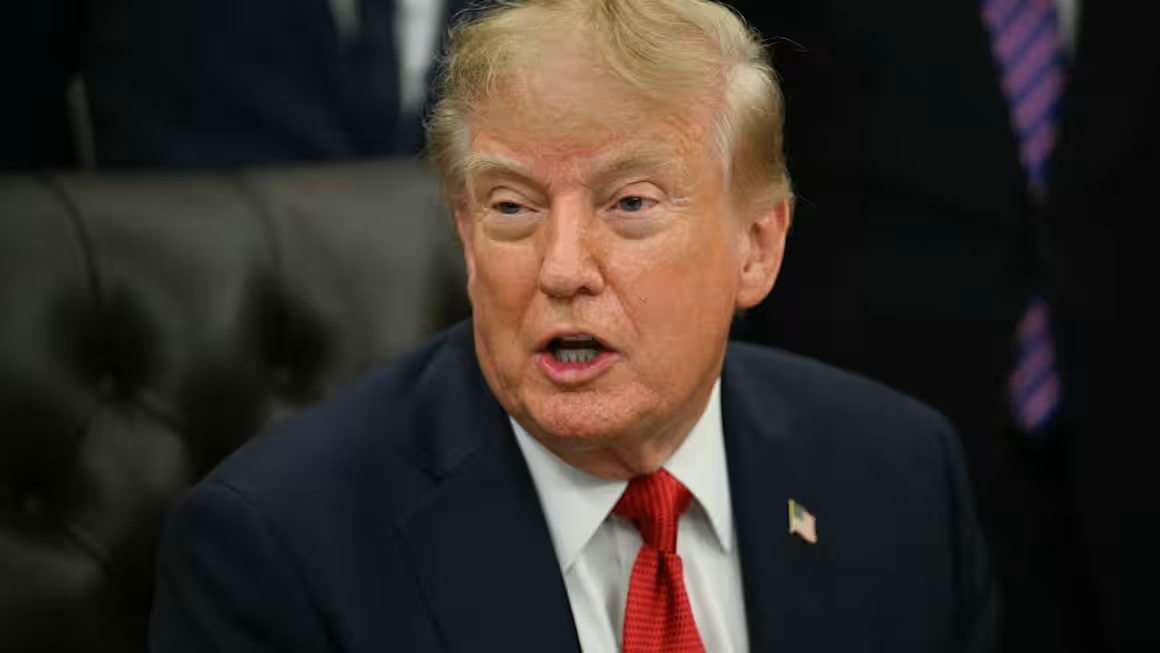
- President Trump has claimed 'permanent control' over Greenland's security, but the agreement does not grant the US full authority over the territory.
- The agreement will be signed at the United Nations and still requires parliamentary approval in Denmark and Greenland.
Timeline · 6 moments
Trump announces security agreement with Denmark over Greenland
CBC Top Stories ↗President describes deal as permanent and promises large US military presence
Financial Times ↗Trump calls agreement an 'infinite life' deal with no cost to the US
TGcom24 ↗No immediate response from Denmark following US announcement
New York Post ↗Deal to be signed at UN, bans Russian and Chinese bases
Sydney Morning Herald ↗Denmark and Greenland confirm deal but reject sovereignty transfer
Il Post ↗Update 19 Sept 2026, 8:21 am UTC
Denmark and Greenland have now confirmed the deal, but their interpretation differs from President Trump's. The agreement does not transfer sovereignty or ownership to the US, but instead expands the American military presence and bars Russian and Chinese bases. Trump has publicly celebrated the deal, but coverage notes it falls short of his earlier ambitions to acquire Greenland.
Update 19 Sept 2026, 1:21 am UTC
Danish and Greenlandic officials have now confirmed the deal, stating it will be signed at the United Nations next week. The agreement explicitly bans Russia and China from establishing military bases or making sensitive investments in Greenland. Denmark's prime minister described the deal as beneficial for NATO and Europe, and Greenland's leadership also voiced support.
How it started
For years, the United States has shown a strategic interest in Greenland due to its location and resources. President Trump made headlines in his first term by suggesting the US might try to purchase the territory, an idea Denmark firmly rejected. Greenland itself has repeatedly stated it is not for sale, while European allies have criticized American ambitions in the Arctic.
Despite these earlier tensions, Trump continued to push for increased US influence in the region. The Arctic's growing geopolitical importance, especially amid competition with Russia and China, kept Greenland in Washington's sights.
How it unfolded
On September 18, 2026, President Trump announced that the United States had reached a new security agreement with Denmark and Greenland. He claimed this deal gave Washington permanent control over Greenland's security and all related needs, marking a significant shift in the region's governance.
Trump described the agreement as 'infinite' or 'everlasting,' and said the US would immediately begin developing a large military presence on suitable parts of the island. He also stated that the US would have to approve any security activities in Greenland going forward.
The announcement was made on social media and quickly picked up by multiple news outlets. However, there was no immediate response from Danish officials, who had previously reacted angrily to suggestions of US annexation or control. Greenlandic leaders and the European Union had also opposed earlier American overtures.
While Trump emphasized that the deal would not cost the US anything, details about the agreement's terms, scope, and legal basis remain unclear. Media reports noted the lack of confirmation from Denmark and Greenland.
Where it stands
At present, the only official statements about the agreement come from President Trump. Danish authorities have not confirmed the deal or provided their own account. The specifics of the agreement, including its duration, legal status, and practical implications for Greenland, are still unknown.
Observers are watching closely for official responses from Copenhagen and Nuuk, as well as any clarification from US officials beyond the president's public comments. The situation remains fluid, and further developments are expected.
What to watch
The key questions now are whether Denmark and Greenland confirm the existence and terms of the agreement, and how other international actors, especially the European Union and China, will react. The next steps will likely depend on official statements from the governments involved and any details they provide about the deal's implementation.
More in Politics
All →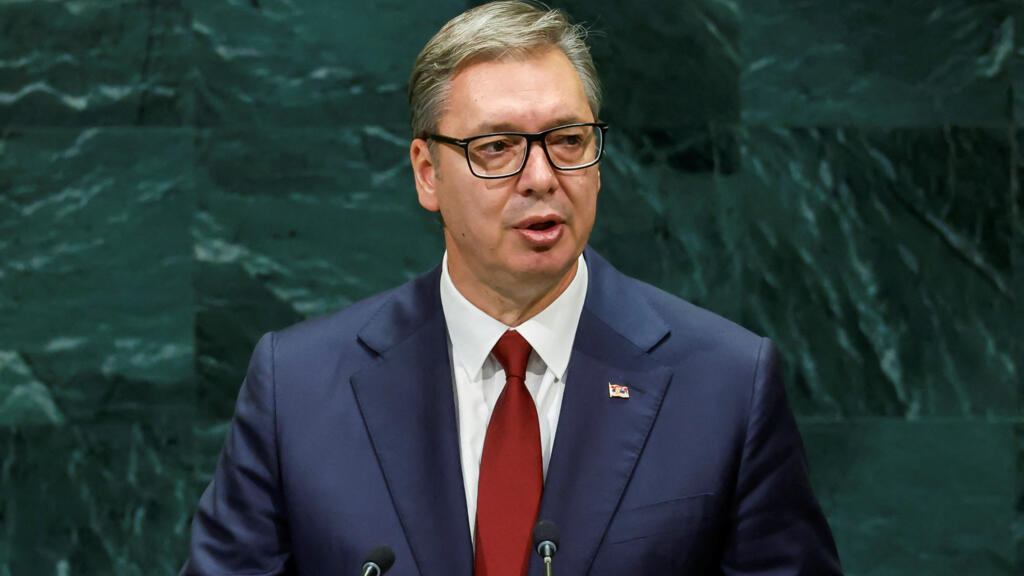
Serbian President Aleksandar Vucic Resigns Ahead of Parliamentary Elections, Eyes Prime Minister Role
Aleksandar Vucic has stepped down as Serbia's president just before early elections, setting the stage for a possible transition to prime minister and a major shift in the country's leadership.
17 sources · today
Andy Burnham Faces Early Tests as UK Prime Minister Amid Labour Unrest
Andy Burnham's first weeks as UK Prime Minister have been shaped by high-profile diplomacy, internal Labour divisions, and a refusal to call an early election, setting the stage for his first party conference.
15 sources · over 6 days
Supreme Court Blocks Missouri GOP Congressional Map for Third Time
The US Supreme Court has again halted Missouri Republicans from using a favored congressional map, leaving the state's redistricting unresolved as midterm elections approach.
11 sources · over 2 days