Warren Buffett Steps Down as Berkshire Hathaway Chairman, Son Howard Succeeds Him
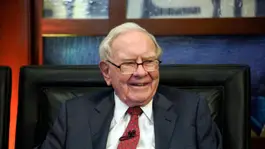
Warren Buffett, aged 96, is stepping down as chairman of Berkshire Hathaway, ending an era at the $1 trillion conglomerate and marking a major leadership transition.
By Luca Moretti · First published 18 Sept 2026
In brief
- Warren Buffett has officially resigned as chairman of Berkshire Hathaway after more than six decades in the role.
- Howard Buffett, Warren Buffett's son, has now formally succeeded him as chairman following a long-planned transition.
- Warren Buffett will continue to be associated with the company as chairman emeritus and will remain a board member.
- This move follows Warren Buffett's earlier decision to step down as CEO at the beginning of 2026.
- The transition marks a historic moment for Berkshire Hathaway, raising new questions about the company's future leadership and strategy.
Timeline · 4 moments
Warren Buffett announces resignation as Berkshire Hathaway chairman
CNBC ↗Buffett cites age and passage of time in letter to shareholders
The New York Times ↗Buffett's exit marks end of six-decade leadership at Berkshire Hathaway
The Wall Street Journal Tech ↗Howard Buffett's succession follows earlier CEO transition
MarketWatch ↗Update 18 Sept 2026, 2:10 pm UTC
Warren Buffett has formally announced his resignation as chairman of Berkshire Hathaway after more than 60 years, citing age as a key reason. His son, Howard Buffett, has officially taken over as chairman, while Warren Buffett becomes chairman emeritus and remains on the board.
How it started
Warren Buffett began leading Berkshire Hathaway in 1965, transforming it from a struggling textile company into one of the world's most valuable conglomerates. Known as the "Oracle of Omaha," Buffett became famous for his long-term investment strategy and steady approach to capital management.
For years, succession at Berkshire Hathaway has been a topic of speculation. Buffett repeatedly assured shareholders that a plan was in place. He stressed the importance of continuity and stability, especially given the size and complexity of the company.
How it unfolded
On September 18, 2026, Warren Buffett announced he would step down as chairman of Berkshire Hathaway, citing his age and the inevitable passage of time. In a letter to shareholders, he acknowledged, 'Father Time always wins,' reflecting on his long tenure and the company's evolution.
Berkshire Hathaway revealed that Howard Buffett, Warren's son, would become the new chairman. This move was part of a well-established succession plan that had been discussed in previous years. Howard has served on the board and is familiar with the company's values and operations.
Warren Buffett will now take on the honorary role of chairman emeritus, maintaining a symbolic connection but stepping back from daily responsibilities. This follows his earlier decision to leave the CEO position at the start of the year, signaling a gradual transition of authority.
The company emphasized its stability and the continuity of its investment approach, reassuring investors and employees about the future. The news was widely covered by financial media, with many highlighting Buffett's legacy and the significance of the leadership change.
Where it stands
Berkshire Hathaway is now officially led by Howard Buffett as chairman, with Warren Buffett serving as chairman emeritus. The transition has been smooth so far, with no immediate changes announced to the company's investment strategy or management structure.
Investors and market watchers are closely monitoring the company for any signs of shifts in direction, but Berkshire's leadership has stressed its commitment to Buffett's long-standing principles.
What to watch
Attention will focus on how Howard Buffett leads in his new role and whether he makes any notable changes to Berkshire Hathaway's operations or strategy. Observers will also watch for further details about the company's future leadership, especially in key investment roles.
More in Business
All →
Nationwide Bank Strike Deferred After Last-Minute Talks With Unions
The three-day nationwide bank strike set for September 28-30 has been called off after successful negotiations.
12 sources · over 7 days
Starbucks to Close 250 North American Stores in Strategic Adjustment
Starbucks is shutting down about 1 percent of its cafes across the US and Canada this week, signaling a shift in its business approach.
16 sources · over 3 days
McDonald's Unveils $8.5 Billion Global Plan to Modernize Its Restaurants
Facing falling sales and a sharp drop in its stock price, McDonald's is investing $8.5 billion over the next decade to upgrade restaurants, menus, and technology across its global network.
16 sources · over 5 days