AfD Election Win in Sachsen-Anhalt Sparks Political Upheaval and Protests in Germany
The far-right AfD's victory in Sachsen-Anhalt has triggered coalition maneuvers, party infighting, and nationwide protests, raising concerns about Germany's political direction and alliances.
By Ethan Cole · First published 8 Sept 2026
In brief
- The AfD won 39 of 83 seats in the Sachsen-Anhalt election but did not secure an outright majority.
- Chancellor Merz has publicly accused the AfD of promoting 'ethnic cleansing' and maintains a strict refusal to work with them.
- BSW is the only party open to coalition talks with the AfD, while all other major parties have declined.
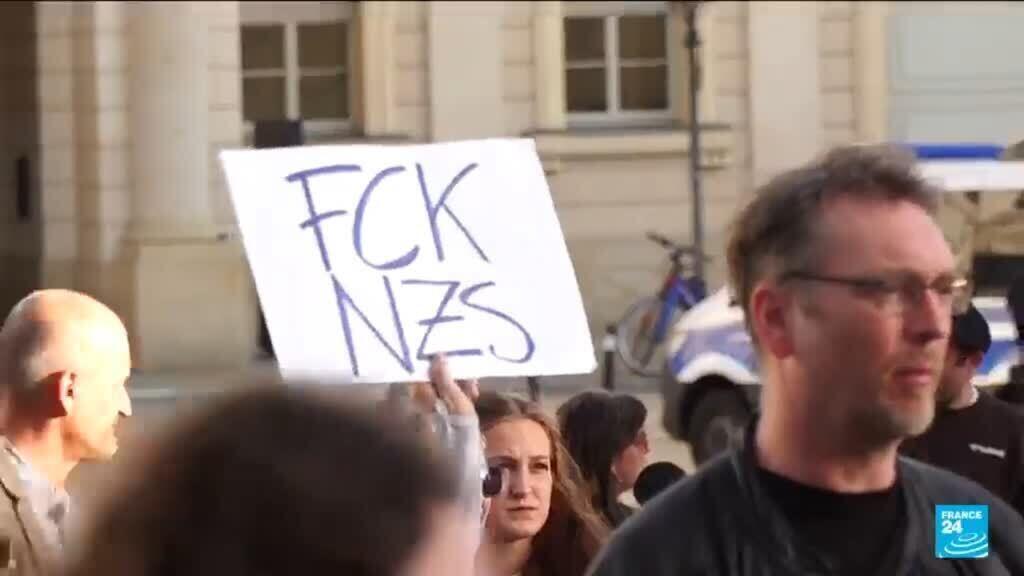
- Protests and fierce debate over right-wing extremism and migration continue to spread across Germany since the election.
- International responses include Donald Trump congratulating the AfD, highlighting the election's broader significance.
Timeline · 11 moments
AfD secures major win in Sachsen-Anhalt election
The Hindu ↗European politicians warn of far-right surge after AfD victory
The Guardian ↗CDU's Sepp Müller rules out defections to AfD
Deutschlandfunk - Fortlaufende Nachrichten vom 24. August 2026 ↗Protests erupt across Germany against AfD's election win
France24 ↗Sahra Wagenknecht's BSW distances itself from AfD coalition
ARD Tagesschau ↗BSW signals willingness to support AfD parliamentary president
DIE ZEIT | Nachrichten, News, Hintergründe und Debatten ↗Internal CDU criticism grows after election defeat
DIE WELT ↗Merz accuses AfD of seeking 'ethnic cleansing'
The Independent ↗SPD proposes expert government to block AfD
DIE ZEIT | Nachrichten, News, Hintergründe und Debatten ↗Donald Trump congratulates AfD on election win
The Daily Beast Latest Articles ↗Update 10 Sept 2026, 1:06 am UTC
Talks to form a government in Sachsen-Anhalt have shifted, as all parties except BSW have refused AfD's invitation to coalition discussions. BSW has agreed to talks with the AfD, while CDU, SPD, Greens, and Left continue to reject cooperation, leaving the government formation process unresolved.
Update 9 Sept 2026, 0:39 pm UTC
Chancellor Friedrich Merz has publicly accused the AfD of seeking 'ethnic cleansing' with its migration policies after the party's win in Sachsen-Anhalt. Coalition talks remain deadlocked, and leading SPD figures have floated the idea of an expert-led government to prevent the AfD from taking power. Protests and political tension continue, with international figures like Donald Trump congratulating the AfD on its victory.
How it started
The state election in Sachsen-Anhalt was seen as a critical test for Germany's mainstream parties. The far-right Alternative for Germany (AfD) entered the race with growing support, especially in the eastern states. Leading up to the vote, established parties like the CDU and SPD warned of the risks of a far-right surge but also faced criticism for failing to address local concerns.
When the votes were counted, the AfD emerged as the clear winner, securing 39 of 83 seats in the regional parliament. This outcome surprised many observers and immediately put pressure on other parties to clarify their positions regarding possible cooperation with the AfD.
How it unfolded
On September 7, the AfD's strong performance was confirmed, with multiple outlets describing it as a seismic shift for both Sachsen-Anhalt and Germany as a whole. Politicians across Europe quickly reacted, warning of the broader implications for the continent if far-right parties continue to gain ground.
Sahra Wagenknecht, leader of the new BSW party, indicated some openness to working with the AfD in parliament, though her party later distanced itself from a formal coalition. Meanwhile, CDU's Sepp Müller publicly ruled out any defections or cooperation with the AfD, emphasizing that mainstream conservatives would not align with the far right.
As coalition talks began, several parties were either invited or considered for negotiations, but deep divisions remained. The AfD's victory also sparked immediate and widespread protests throughout Germany, with demonstrators calling for unity against right-wing extremism and expressing fears about the country's future direction.
The situation was further complicated by internal tensions within the CDU, with calls for leadership changes after their poor showing. At the same time, international observers, including in Italy and the UK, took note of the AfD's win and its potential ripple effects across Europe.
Where it stands
Germany remains in a period of political uncertainty as parties try to form a stable government in Sachsen-Anhalt. The AfD holds a strong position but faces resistance from most other parties, who are wary of legitimizing the far right.
Protests against the AfD's rise continue in major cities, reflecting deep divisions within German society. Coalition talks are ongoing, and the outcome will determine whether the AfD gains governing influence or remains isolated in the regional parliament.
What to watch
The key questions now are whether any party will break ranks and agree to work with the AfD, and what role the BSW will ultimately play in parliament. The outcome of coalition talks will set the tone for both Sachsen-Anhalt and national politics in the coming months.
More in Politics
All →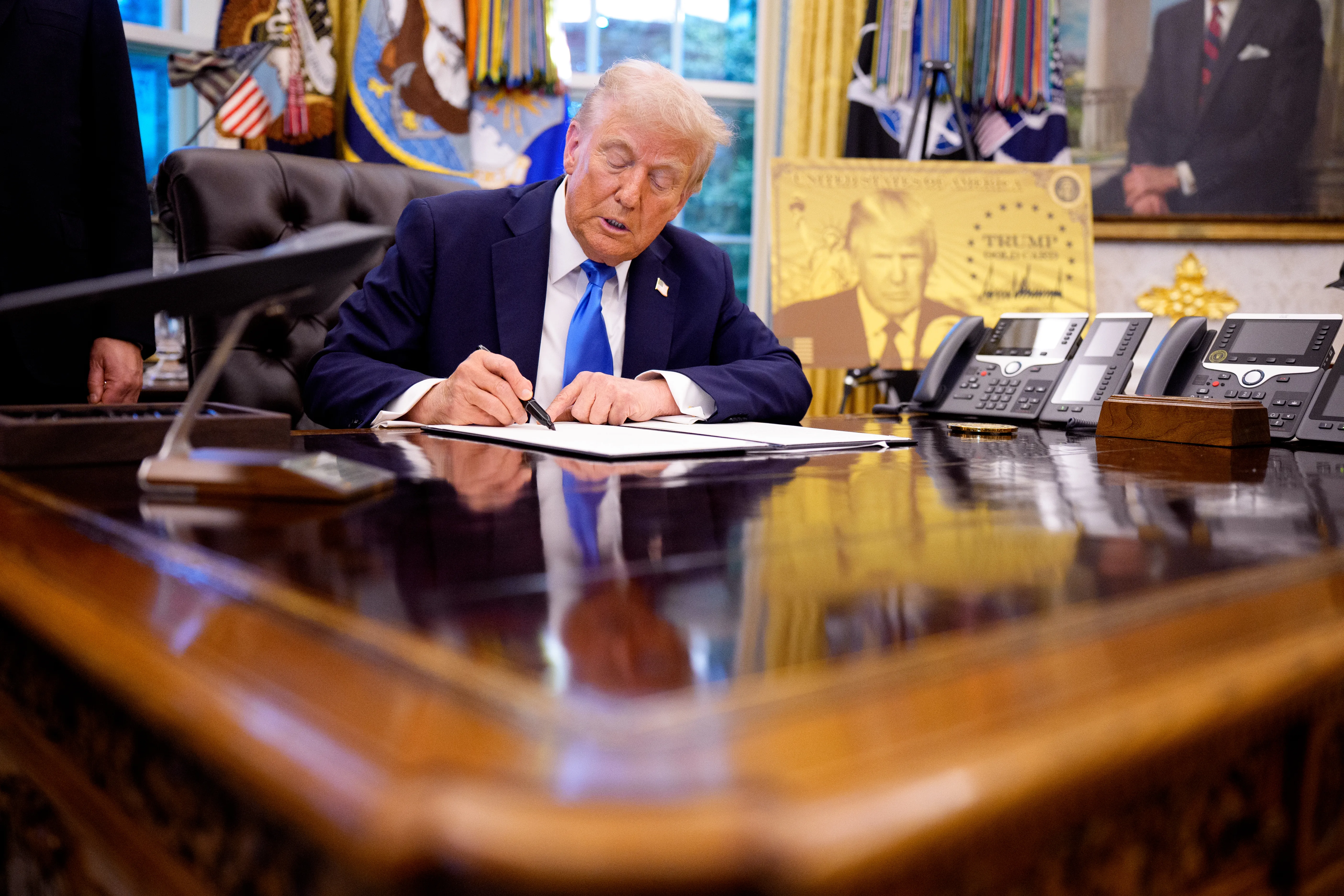
Trump Cancels Nearly $1 Billion in Federal Funds Using Rare Budget Move
President Trump revoked almost $1 billion in congressionally approved funding targeting immigration and race-focused programs, triggering bipartisan criticism and raising questions about executive authority over spending.
15 sources · over 3 days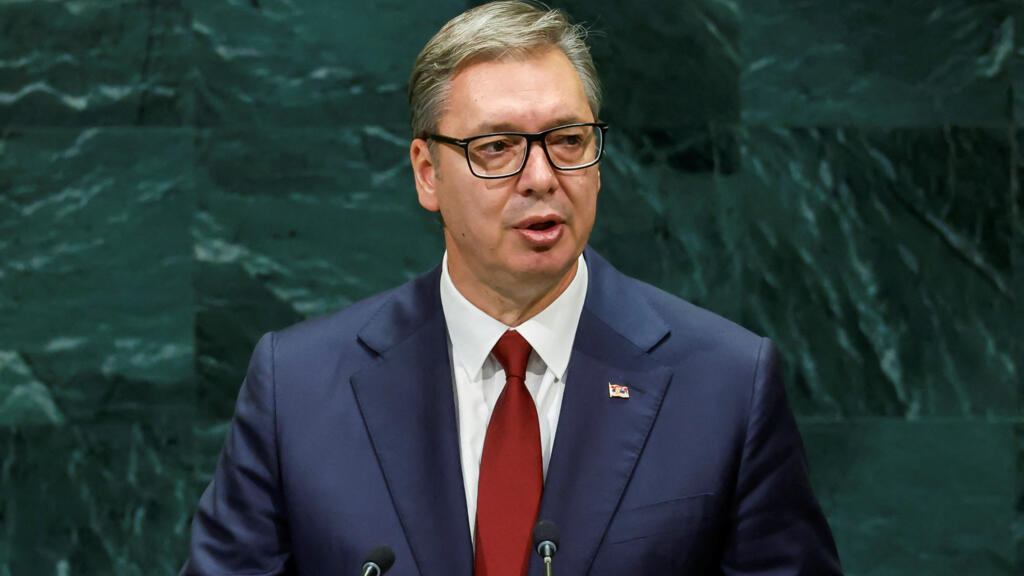
Serbian President Aleksandar Vucic Resigns Ahead of Parliamentary Elections, Eyes Prime Minister Role
Aleksandar Vucic has stepped down as Serbia's president just before early elections, setting the stage for a possible transition to prime minister and a major shift in the country's leadership.
23 sources · today
Andy Burnham Faces Early Tests as UK Prime Minister Amid Labour Unrest
Andy Burnham's first weeks as UK Prime Minister have been shaped by high-profile diplomacy, internal Labour divisions, and a refusal to call an early election, setting the stage for his first party conference.
15 sources · over 7 days