Brent Crude Nears $110 as US-Iran War Drives Diesel to Record Highs
Brent crude prices are approaching $110 per barrel and US diesel has hit $6 a gallon, as the Middle East conflict intensifies.
By Luca Moretti · First published 9 Sept 2026
In brief
- Brent crude oil prices have surged to nearly $110 per barrel following further escalation in the US-Iran conflict.
- US diesel prices have hit a record $6 a gallon, raising fears about rising transportation and household costs.
- The Strait of Hormuz remains open but faces higher risk of disruption due to intensified military actions in the region.
- Global stock markets, especially in Asia and the US, are falling due to concerns about inflation and energy-driven economic instability.
- Analysts are monitoring whether further escalation or diplomatic efforts will impact oil supply, prices, and broader economic conditions.
Timeline · 9 moments
US and Iran trade attacks on tankers and warships
Dealbreaker ↗Brent crude oil price breaches $100 per barrel
World News - Breaking News, Top Stories ↗Attacks on Middle East oil facilities threaten supply chains
Global News ↗Oil prices reach highest level since July 24, 2026
Bloomberg ↗Brent crude rises past $101 as conflict escalates
CNBC International ↗Brent crude holds above $100 after tanker attacks
World News CNA ↗Asian stocks drop as oil price surge fuels inflation fears
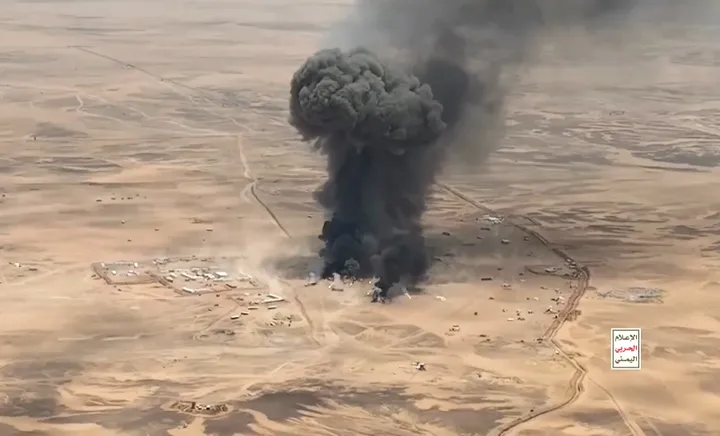
© Kirill Kudryavtsev, AFP ↗Houthi militia captures Yemeni port, adding to supply concerns
New York Times - Middle East ↗Brent crude nears $110; diesel hits $6 a gallon
Top World News- News18.com ↗Update 11 Sept 2026, 8:11 am UTC
Brent crude has surged even further, touching nearly $110 a barrel as the US-Iran conflict escalates and attacks on shipping routes intensify. Diesel prices in the US have reached a record $6 per gallon, fueling concerns about inflation and global market instability.
Update 10 Sept 2026, 1:50 pm UTC
Brent crude remains above $100 per barrel as US-Iran tensions escalate, with additional attacks on oil tankers and growing concerns about supply disruptions. Asian stock markets have dropped in response to the oil price spike and fears of worsening inflation.
Update 10 Sept 2026, 0:38 am UTC
Brent crude prices have continued to climb, now topping $101 per barrel as US and Iranian forces exchanged their largest attacks on shipping since the conflict began. The Strait of Hormuz remains a flashpoint, with recent strikes heightening fears of supply disruptions and inflation.
How it started
Tensions between the US and Iran have been simmering for months, particularly around key oil transit routes in the Middle East. The region is crucial for global oil supplies, especially the Strait of Hormuz, through which a significant share of the world's oil passes.
Recently, military actions and retaliatory strikes involving the US, Iran, and groups aligned with Iran have intensified. These developments have put global oil markets on edge, as any disruption could quickly affect prices and supply chains.
How it unfolded
On September 9, 2026, reports began to surface of renewed attacks on oil facilities and ships in the Middle East, with both US and Iranian forces involved. According to Dealbreaker, the US hit five Iranian tankers in reprisal for Tehran targeting a US warship, and Houthi forces, backed by Iran, were also implicated in attacks.
As these incidents unfolded, oil prices responded rapidly. By the same day, Brent crude oil had breached the $100 per barrel mark, the highest level since July 24, 2026, as reported by World News.
The price spike drew concern from analysts and governments worldwide. With oil already in a fragile supply situation, any threat of further disruption raised fears of inflation and increased costs for consumers and businesses, particularly in Europe and Asia.
Despite the turmoil, Reuters noted that oil continued to flow through the Strait of Hormuz, and there were no immediate signs of a supply cutoff. This detail has led some experts to suggest that prices could ease if the situation does not escalate further.
Where it stands
Right now, Brent crude remains above $100 per barrel, reflecting ongoing anxiety about the risk of further conflict. The market is reacting both to the real risk of supply disruption and the broader uncertainty surrounding the US-Iran confrontation.
While the flow of oil has not yet been blocked, the situation remains tense. Market participants and policymakers are watching closely for any new developments that could change the outlook for global energy supplies.
What to watch
The key question is whether the US-Iran conflict will escalate further, potentially disrupting oil shipments through the Strait of Hormuz. Any direct attacks on major oil infrastructure or shipping lanes could push prices even higher.
Traders and governments will also be tracking diplomatic efforts and military movements in the region for signs of de-escalation or renewed violence, which would have immediate effects on the oil market.
More in Business
All →
US and China Reveal Product Lists for $30 Billion Tariff Reduction Deal
The US and China have agreed to reduce tariffs on billions in goods, signaling progress in trade talks after a major summit between their leaders.
9 sources · today
India Sets New UPI Merchant Charges, Small Retailers Plan Protests
India's decision to introduce a 0.4 percent merchant fee for large UPI transactions has sparked debate over its impact on small businesses and digital payments, with protests and legal challenges emerging.
8 sources · over 6 days
Nationwide Bank Strike Deferred After Last-Minute Talks With Unions
The three-day nationwide bank strike set for September 28-30 has been called off after successful negotiations.
12 sources · over 7 days