Five EU Countries Advance Plans for Offshore Migrant Return Hubs
Five EU nations aim to finalize deals to send rejected asylum seekers to non-EU return hubs by 2027.
By Oliver Hartmann · First published 4 Sept 2026
In brief
- Five EU countries, including Denmark and Germany, are collaborating to create offshore return hubs for rejected asylum seekers by 2027.
- The proposed centers are intended to process and repatriate migrants whose asylum applications have been denied within the EU.
- Officials from these countries are in ongoing talks with potential non-EU host nations, but no location has been publicly confirmed.
- The group is pushing to finalize agreements with a third country by the end of the year to begin operations by January 2027.
- The plan remains subject to legal and political scrutiny both within the EU and in any potential host countries.

Timeline · 4 moments
Denmark announces plan for offshore asylum centers by 2027
DIE ZEIT | Nachrichten, News, Hintergründe und Debatten ↗Five EU countries seek deal with non-EU host for return hubs
The Local ↗EU interior ministers meet to discuss technical details of centers
Deutsche Welle ↗Common model for deportation centers agreed by five EU states
Euronews ↗Update 5 Sept 2026, 11:20 am UTC
New coverage confirms that five EU countries, not just Denmark and four partners, are now formally pushing to launch offshore migrant return hubs by January 2027. The group aims to send rejected asylum seekers to these non-EU centers and is moving closer to finalizing agreements, but no host country has been publicly named.
How it started
Denmark has long sought to tighten its migration policies. Over recent years, the country has explored ways to process asylum seekers outside its borders, arguing that this could deter irregular migration and speed up returns for rejected applicants. The idea of setting up offshore centers, sometimes called 'return hubs,' has been discussed across Europe, but Denmark is now moving ahead with concrete plans.
The push for external processing comes as migration remains a top political issue in Denmark and much of the EU. Governments are under pressure to find new solutions as arrivals fluctuate and integration challenges persist.
How it unfolded
On September 4, 2026, Denmark publicly announced its intention to establish offshore asylum centers outside the European Union by the end of 2027, setting a clear timeline for the plan, according to DIE ZEIT.
That same day, The Local reported that Denmark was joined by Austria, Germany, the Netherlands and Greece. The five countries aim to negotiate with a non-EU nation to host the first center, with hopes to start sending rejected asylum seekers as early as January 2027.
Deutsche Welle noted that German Interior Minister Dobrindt was meeting with his Danish, Greek, Austrian and Dutch counterparts to iron out the technical details of the so-called 'return hubs.' While the countries have agreed on a model, the identity of the potential partner country remains undisclosed.
By early September, the five EU countries had settled on a common approach for the centers, according to Euronews. They expect to reach an agreement with a third country partner around the New Year.
Deutschlandfunk and DER SPIEGEL both highlighted that the initiative remains controversial, with ongoing debates within the EU and among civil society about the legal and ethical implications of processing asylum seekers outside European territory.
Where it stands
As of early September 2026, Denmark and its four EU partners have agreed on the model and timeline for establishing offshore asylum centers. They are now in technical talks with potential host countries outside the EU, but no binding agreement has been signed.
The group aims to finalize a deal with a third country by the end of the year. If successful, they could begin sending rejected asylum seekers to the new centers starting in 2027. The plan is still subject to political and legal scrutiny, both within the EU and in the countries that might host the centers.
What to watch
The main question is which non-EU country will agree to host the first return hub. The outcome of ongoing negotiations will determine whether the plan moves forward on schedule. Legal challenges and public opposition could also influence how and when the centers are established.
More in Politics
All →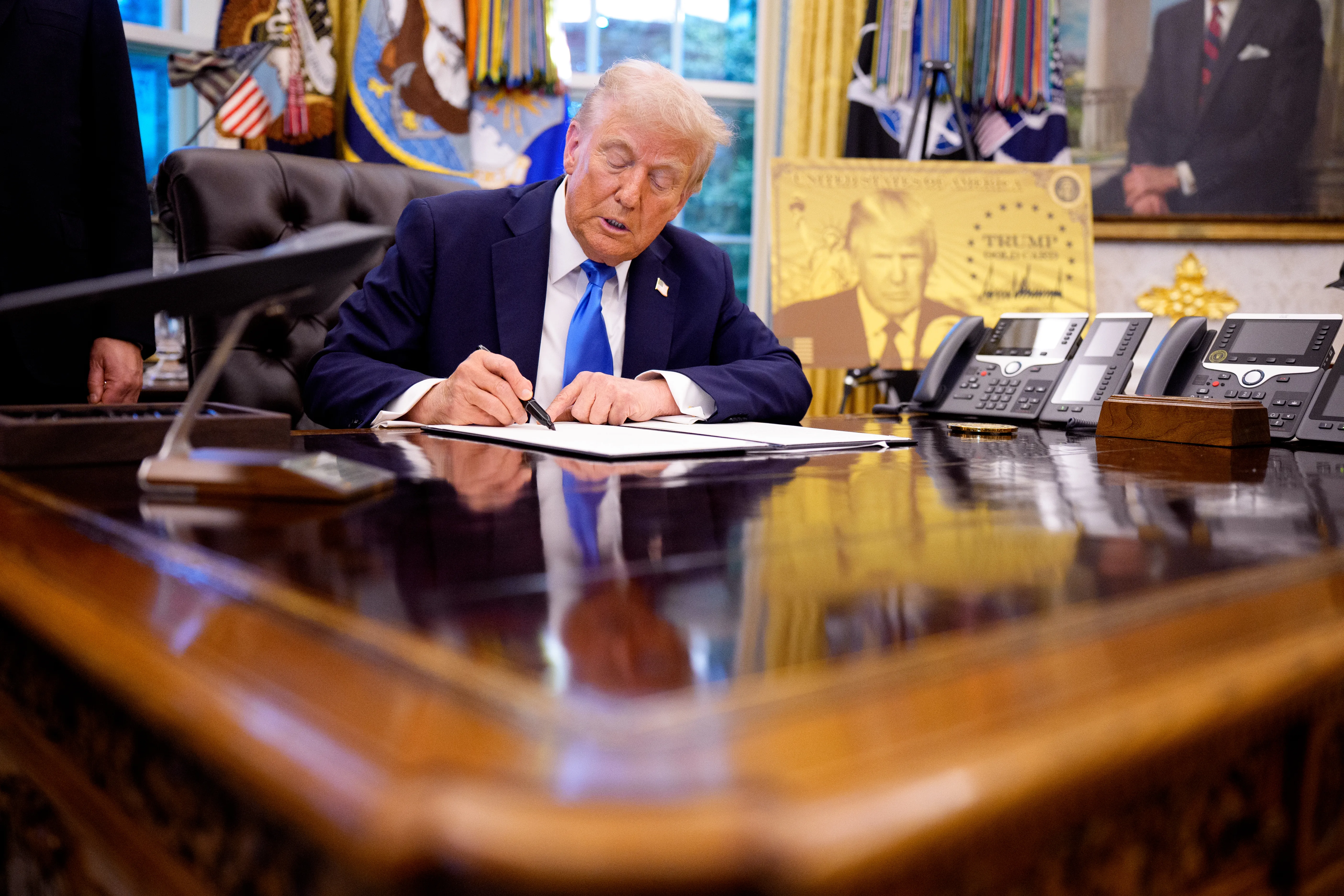
Trump Cancels Nearly $1 Billion in Federal Funds Using Rare Budget Move
President Trump revoked almost $1 billion in congressionally approved funding targeting immigration and race-focused programs, triggering bipartisan criticism and raising questions about executive authority over spending.
15 sources · over 3 days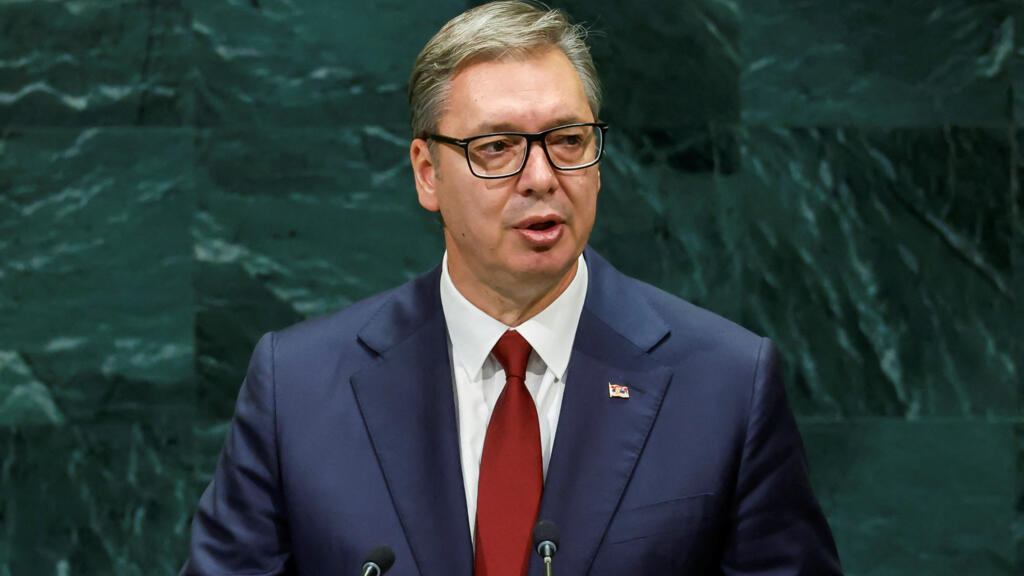
Serbian President Aleksandar Vucic Resigns Ahead of Parliamentary Elections, Eyes Prime Minister Role
Aleksandar Vucic has stepped down as Serbia's president just before early elections, setting the stage for a possible transition to prime minister and a major shift in the country's leadership.
23 sources · today
Andy Burnham Faces Early Tests as UK Prime Minister Amid Labour Unrest
Andy Burnham's first weeks as UK Prime Minister have been shaped by high-profile diplomacy, internal Labour divisions, and a refusal to call an early election, setting the stage for his first party conference.
15 sources · over 7 days