Egypt Warned Israel of Impending Hamas Attack Before October 7, Reports Show
Recent reports reveal Egypt's intelligence chief issued urgent warnings to Israel about Hamas activity before the October 7, 2023 attack, raising tough questions about missed signals and government accountability.
By Aisha Karimi · First published 28 Sept 2026
In brief
- Egypt's intelligence chief reportedly traveled to Israel less than two weeks before October 7 to warn of a Hamas attack.
- Multiple warnings about Hamas escalation were sent to Israel, including direct messages to Prime Minister Netanyahu.
- Israeli officials, including a former defense minister, confirmed receiving alerts before the attack but criticized how they were handled.
- The controversy has become a major political issue for Netanyahu as elections approach and opposition calls for accountability.
- Netanyahu has denied ignoring warnings and even threatened legal action against outlets reporting the intelligence lapses.
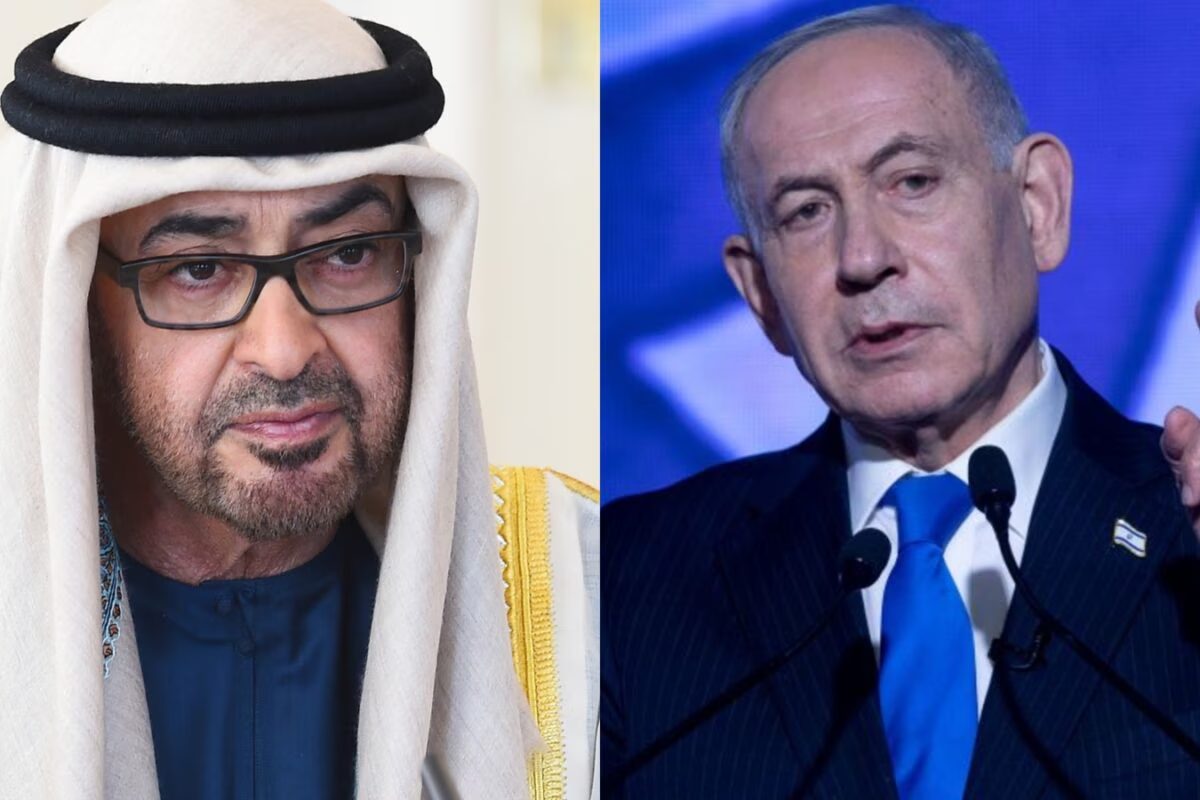
Timeline · 4 moments
Egyptian intelligence chief visits Israel to warn of Hamas attack
The Atlantic ↗Former Israeli defense minister confirms pre-attack Hamas warnings
NDTV News - World-news News ↗Reports detail Egyptian intelligence chief's urgent call to Netanyahu
RSS di - ANSA.it ↗Netanyahu rejects reports and threatens legal action over warning controversy
Times of India Top Stories ↗How it started
In the weeks leading up to October 7, 2023, Egypt's intelligence services reportedly noticed signs that Hamas was preparing for a major escalation. According to several accounts, Egypt's top spy, Abbas Kamel, became concerned enough to deliver a personal warning to Israeli officials.
These warnings were not routine. Egyptian intelligence believed the situation in Gaza was becoming increasingly unstable and that Hamas was mobilizing for an operation that could have significant consequences. The urgency of the message led to direct communication with Israel at the highest levels.
How it unfolded
Less than two weeks before the October 7 attack, Egypt's intelligence chief Abbas Kamel traveled to Israel to deliver a warning in person. Reports say he told Israeli officials that Gaza could "blow up" if action was not taken, emphasizing the seriousness of the threat. The Atlantic and other outlets later revealed that this visit was highly unusual and driven by mounting concerns over Hamas's activities.
In the days following, Israeli media and international outlets began to report that Israel had received repeated warnings before the attack. Some sources stated that Kamel even recommended steps to ease tensions with Hamas, hoping to prevent violence. Despite these alerts, the Hamas attack on October 7 took Israel by surprise, leading to significant casualties and the start of the Israel-Gaza war.
After the attack, scrutiny over Israel's handling of intelligence increased. Reports cited anonymous officials and former Israeli defense minister Yoav Gallant, who confirmed that Israel had indeed received warnings about Hamas's plans but did not act decisively. The controversy quickly became a political issue, with Prime Minister Netanyahu facing accusations of ignoring or downplaying the alerts.
Netanyahu has denied the allegations and has threatened legal action against some media outlets. The topic has remained in the headlines, particularly as Israel approaches new elections and the government faces mounting pressure from the public and opposition leaders.
Where it stands
The debate over Israel's response to Egypt's warnings remains unresolved. Netanyahu and his supporters insist that the intelligence was not specific enough to act on, while critics argue that clear red flags were missed.
The issue is now a central point of contention in Israeli politics, fueling calls for investigations and accountability. As new details emerge, the controversy continues to affect public trust in the government and security establishment.
What to watch
Key questions remain about how Israeli officials assessed and acted on the intelligence from Egypt. Ongoing investigations and political fallout are expected, especially as the country heads toward elections. Further revelations could shape public opinion and the future of Israel's leadership.
More in World
All →
Israel Revokes Diplomatic Status of Dutch Officials in West Bank Dispute
Israel has withdrawn the diplomatic accreditation of Dutch diplomats in Ramallah after the Netherlands imposed an import ban on goods from Israeli settlements, significantly escalating tensions between the two countries.
15 sources · today
Madrid Pensioner Evicted After 71 Years, Sparking Nationwide Protests Over Housing Crisis
The forced eviction of 87-year-old Maricarmen Abascal from her longtime Madrid home has triggered widespread protests across Spain and renewed debate about tenant rights and rising housing costs.
28 sources · over 6 days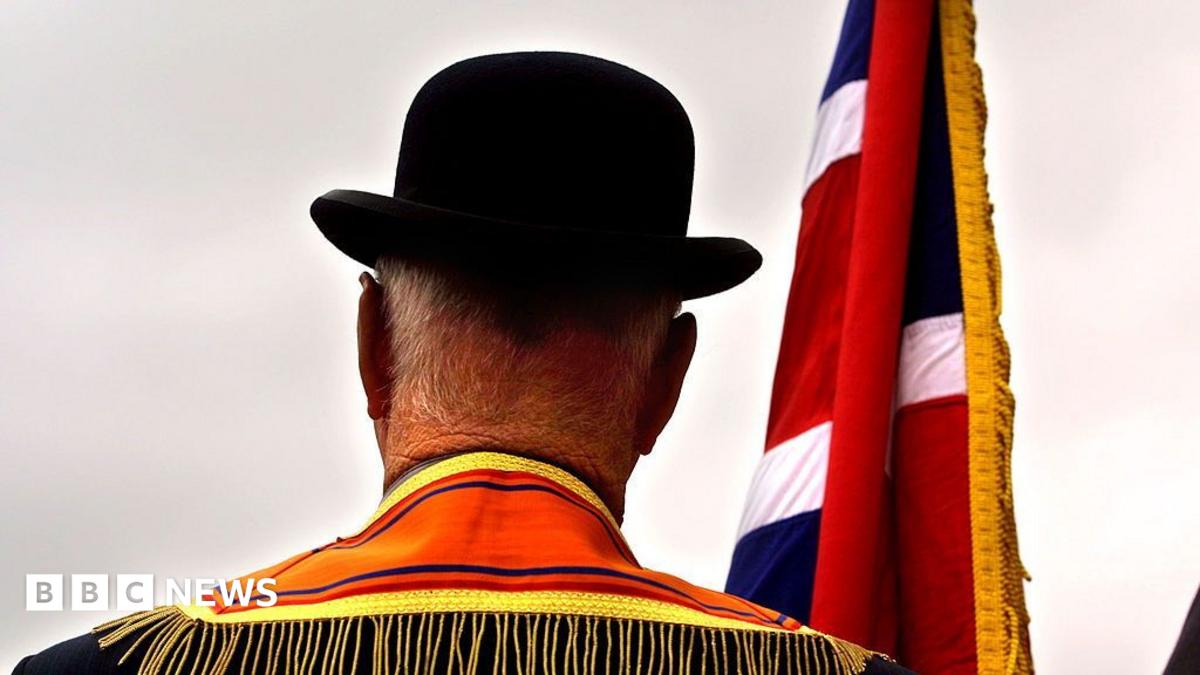
Orange Order Parade Blocked by Thousands on Garvaghy Road
Protesters physically blocked the Orange Order parade in Portadown, leading to a tense standoff and the march being halted.
24 sources · over 7 days