Israel Revokes Diplomatic Status of Dutch Officials in West Bank Dispute
Israel has withdrawn the diplomatic accreditation of Dutch diplomats in Ramallah after the Netherlands imposed an import ban on goods from Israeli settlements, significantly escalating tensions between the two countries.
By Daniel Okafor · First published 28 Sept 2026
In brief
- Israel revoked the diplomatic status of Dutch diplomats based in Ramallah in reaction to a Dutch import ban on settlement goods.
- The Netherlands had recently started enforcing a ban on products from Israeli settlements in the occupied West Bank.
- Dutch officials in Ramallah were ordered to hand back their diplomatic documents within seven days.
- The Dutch government publicly expressed regret and called Israel's move unnecessary and harmful to bilateral relations.
- Both countries are now reassessing their diplomatic and economic ties, with further responses under consideration by the Netherlands.

Timeline · 5 moments
Israel announces revocation of Dutch diplomats' status in Ramallah
© Borut Zivulovic, Reuters ↗Dutch diplomats in Ramallah instructed to return credentials within seven days
Franceinfo ↗Dutch government expresses regret over Israel's decision
Arab News ↗Netherlands considers possible response to Israeli diplomatic move
Middle East Eye ↗Dutch Foreign Minister publicly criticizes Israel's decision as unnecessary
nu.nl ↗How it started
The diplomatic dispute began when the Netherlands decided to enforce sanctions against goods produced in Israeli settlements in the occupied West Bank. Dutch authorities implemented an import ban, aiming to align with international law, which considers these settlements illegal. This move was part of a broader pattern of European countries taking stronger positions against settlement activities.
Israel, which has long criticized such measures, saw the Dutch action as a direct challenge to its policies in the West Bank. The situation quickly became a test of diplomatic resilience between the two countries.
How it unfolded
On September 27, 2026, Israel announced that it would revoke the diplomatic status of Dutch diplomats stationed in Ramallah. This decision was a direct response to the Netherlands' ban on imports from Israeli settlements, according to statements from Israeli officials.
The same day, Dutch diplomats in Ramallah were informed they must return their diplomatic credentials within a week. Israeli Foreign Minister Gideon Saar confirmed the move publicly, emphasizing it was a retaliatory measure against the Dutch sanctions.
Dutch officials quickly voiced their disappointment. The Dutch Foreign Minister called the Israeli decision unnecessary and regrettable. The government in The Hague began considering possible responses, highlighting the seriousness of the rift.
Media in several countries reported that the situation added new strain to already tense relations, coming against a backdrop of broader regional instability. The Dutch import ban also affected travelers and companies, with increased checks at airports to prevent the entry of goods from settlements.
By September 28, the Netherlands had not yet announced any countermeasures but continued to express regret and urge Israel to reverse its decision.
Where it stands
As of now, Dutch diplomats in Ramallah are set to lose their official status, with their accreditation revoked by Israel. The Dutch government has not retaliated but has made it clear that it views the move as damaging and unnecessary.
Diplomatic relations between Israel and the Netherlands are strained, with both sides reassessing their next steps. The Netherlands is considering how to respond, while Israel maintains its stance in reaction to the import ban.
What to watch
It remains to be seen whether the Netherlands will introduce any retaliatory measures or seek mediation to resolve the dispute. The diplomatic rift could impact future cooperation and set a precedent for how other European countries address settlement-related sanctions.
More in World
All →
Egypt Warned Israel of Impending Hamas Attack Before October 7, Reports Show
Recent reports reveal Egypt's intelligence chief issued urgent warnings to Israel about Hamas activity before the October 7, 2023 attack, raising tough questions about missed signals and government accountability.
16 sources · over 3 days
Madrid Pensioner Evicted After 71 Years, Sparking Nationwide Protests Over Housing Crisis
The forced eviction of 87-year-old Maricarmen Abascal from her longtime Madrid home has triggered widespread protests across Spain and renewed debate about tenant rights and rising housing costs.
28 sources · over 6 days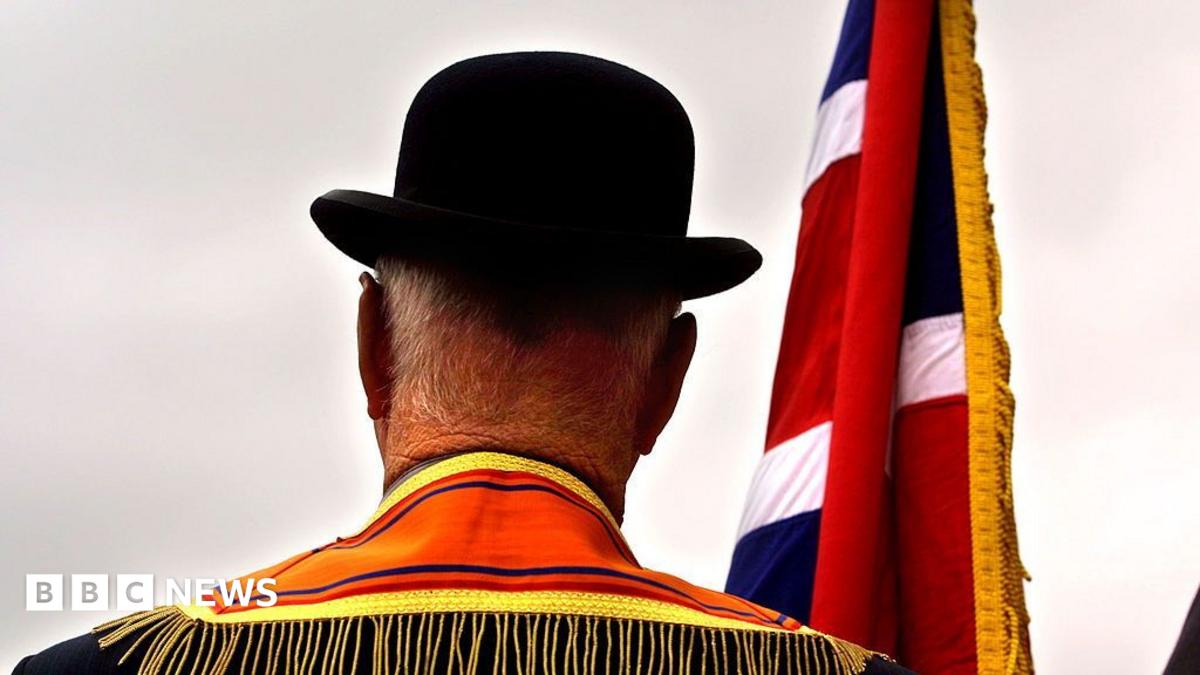
Orange Order Parade Blocked by Thousands on Garvaghy Road
Protesters physically blocked the Orange Order parade in Portadown, leading to a tense standoff and the march being halted.
24 sources · over 7 days