India Bans Bank Charges on UPI and RuPay Payments Up to Rs 2,000
India has barred banks from charging fees on UPI and RuPay debit card transactions up to Rs 2,000, affecting millions of daily digital payments and sparking industry debate about fees for larger transactions.
By Daniel Okafor · First published 15 Sept 2026
In brief
- UPI and RuPay debit card payments up to ₹2,000 remain free of bank charges for consumers.
- A 0.4% merchant fee will be applied to UPI transactions above ₹2,000, starting October 15, 2026, with a cap of ₹300 per transaction.
- This fee applies only to merchant payments, not to peer-to-peer or personal transfers.
- The new fee structure is intended to support the sustainability of the digital payments ecosystem.
- A government panel may review and adjust the merchant fee structure for large transactions in the future.

Timeline · 6 moments
Government bars fees on UPI and RuPay transactions up to Rs 2,000
Business Line - Home ↗Amendment of Payment and Settlement Systems Act notified
The Hindu ↗Merchants to pay 0.4 percent fee on UPI payments over Rs 2,000
Indian Express ↗New fee structure to take effect from October 15, 2026
Times of India ↗NPCI exempts small merchants and P2P transfers from new MDR charges
The Hindu ↗Government panel to review higher-value merchant discount rates
Business Line - Home ↗Update 16 Sept 2026, 4:46 am UTC
Recent coverage confirms that UPI and RuPay payments up to ₹2,000 remain free for consumers, but new details clarify that a 0.4% merchant fee will apply to transactions above ₹2,000 starting October 15, 2026, with a maximum cap of ₹300 per transaction. The fee applies only to merchant payments, not peer-to-peer transfers, and regulators say it aims to support the long-term sustainability of the digital payments system.
How it started
Digital payments in India, especially through the Unified Payments Interface (UPI) and RuPay debit cards, have surged in popularity over recent years. The government has long promoted zero charges on these platforms to encourage cashless transactions.
However, as digital payment volumes grew, banks and payment companies raised concerns about the cost of managing these systems. Discussions began about whether to introduce fees, especially for larger transactions.
How it unfolded
On September 14, 2026, the Indian government officially notified that there would be no direct or indirect charges on UPI transactions up to Rs 2,000 and RuPay debit card payments. This was part of amendments to the Payment and Settlement Systems Act, 2007, aimed at protecting consumers and small merchants.
Shortly after, it became clear that the government had not yet decided what charges, if any, would apply to transactions above this threshold. Banks and payment companies began internal discussions about possible fees on higher-value payments.
By September 15, 2026, it was announced that merchants would face a 0.4 percent fee for UPI transactions above Rs 2,000. This merchant discount rate (MDR) will apply to select merchant payments, while person-to-person and small merchant transactions remain exempt. The new fee structure is set to take effect from October 15, 2026, giving banks and payment platforms time to update their systems.
Officials clarified that consumers will not pay these new charges. Nearly 96 percent of UPI merchant transactions are below Rs 2,000, so most users and small businesses will not be affected. A government-appointed panel will further review the MDR framework for large transactions.
Where it stands
As of now, UPI and RuPay debit card payments up to Rs 2,000 remain free of any bank charges. For larger merchant transactions, a 0.4 percent fee will soon apply, but only merchants will be charged.
The vast majority of everyday digital payments in India are not affected, and the government continues to emphasize consumer protection and digital inclusion. The fee changes are mainly targeted at higher-value merchant transactions.
What to watch
The upcoming panel review could lead to further changes in the fee structure for large digital payments. Banks and payment firms will be monitoring how the new charges impact transaction volumes and merchant adoption once the fees take effect in October.
More in Business
All →
US and China Reveal Product Lists for $30 Billion Tariff Reduction Deal
The US and China have agreed to reduce tariffs on billions in goods, signaling progress in trade talks after a major summit between their leaders.
9 sources · today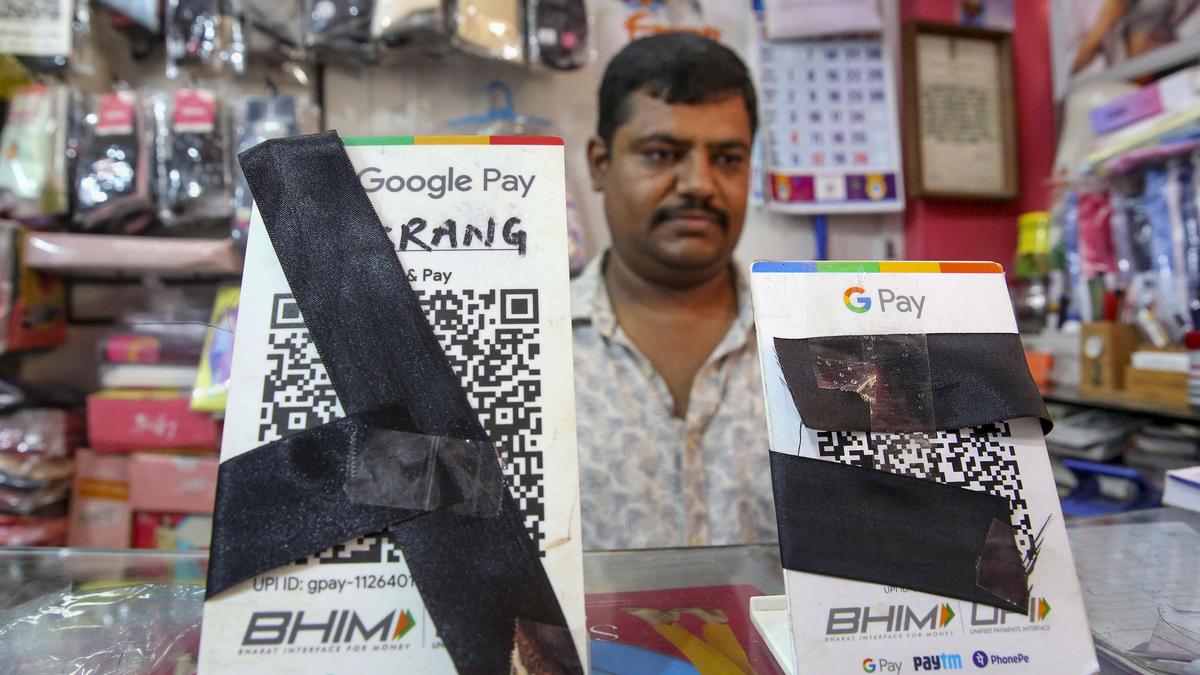
India Sets New UPI Merchant Charges, Small Retailers Plan Protests
India's decision to introduce a 0.4 percent merchant fee for large UPI transactions has sparked debate over its impact on small businesses and digital payments, with protests and legal challenges emerging.
8 sources · over 6 days
Nationwide Bank Strike Deferred After Last-Minute Talks With Unions
The three-day nationwide bank strike set for September 28-30 has been called off after successful negotiations.
12 sources · over 7 days