Mitch McConnell Returns to Senate After Three-Month Absence for Health Recovery
Senate Minority Leader Mitch McConnell, 84, has reappeared at the Capitol after a lengthy recovery from a fall and pneumonia, raising questions about his future participation and the role of aging lawmakers.
By Isabel Navarro · First published 14 Sept 2026
In brief
- Mitch McConnell returned to the Senate after being absent for more than three months due to health issues following a fall.
- He was hospitalized in mid-June, treated for pneumonia, and underwent extensive physical therapy and rehabilitation during his recovery.
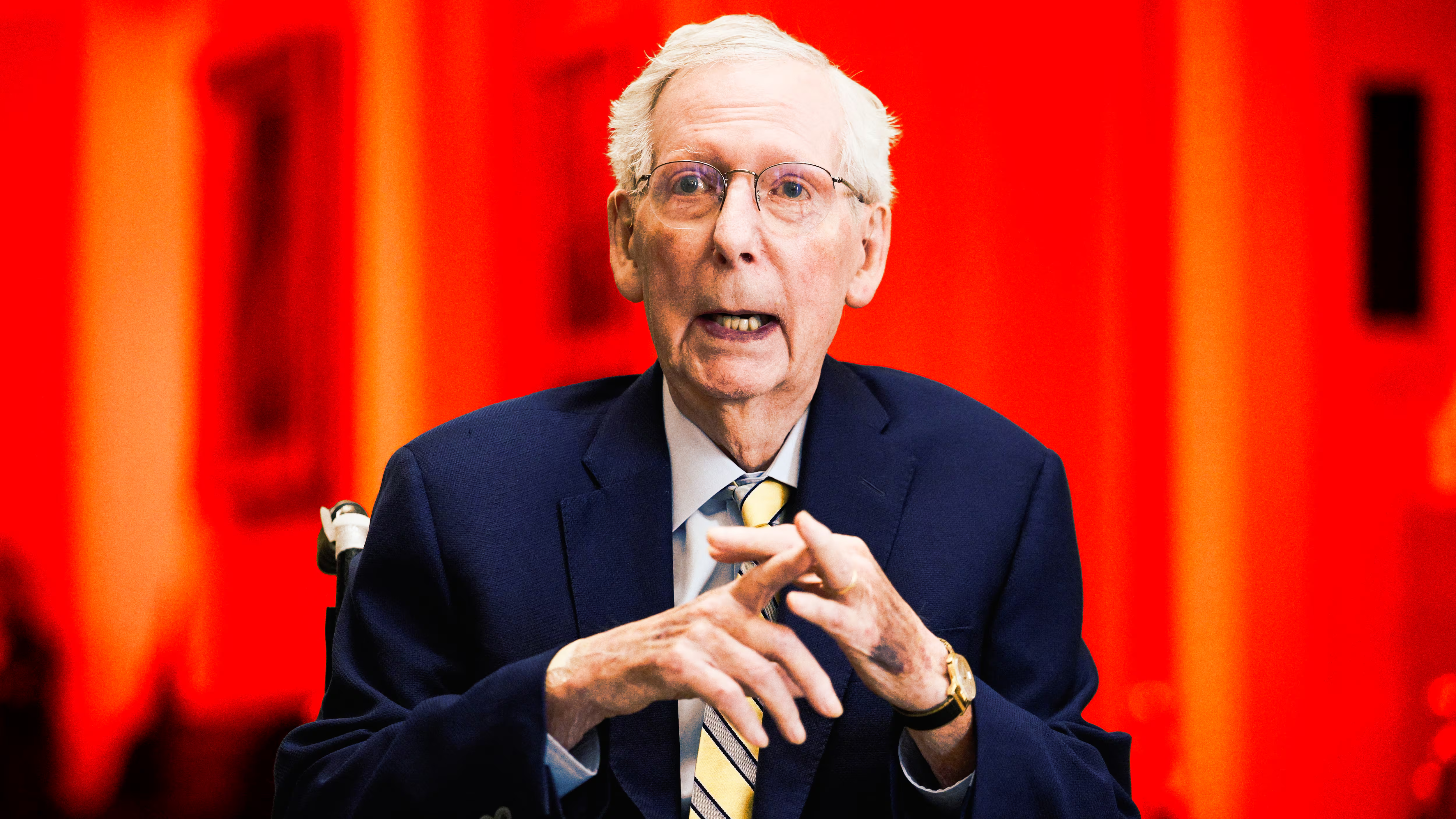
- McConnell made his first public appearance at the Capitol since June, arriving in a wheelchair and speaking to the press.
- He cast his first Senate vote since June 11 and addressed his health, confirming he was briefly unconscious after his fall.
- His return has renewed debate about the age and health of senior lawmakers and uncertainty about his future participation remains.
Timeline · 5 moments
McConnell hospitalized after a fall at home
Mint ↗Reports say McConnell expected to return as Senate reconvenes
The Hill ↗McConnell announces he will cast first Senate vote since June
New York Post ↗McConnell appears at Capitol in wheelchair after three-month absence
The Daily Beast Latest Articles ↗McConnell confirms he was briefly unconscious after fall
NPR News ↗Update 15 Sept 2026, 1:47 am UTC
Mitch McConnell has returned to the Senate after a three-month absence, casting his first vote since June and addressing his health publicly. He revealed he was briefly unconscious after his fall and appeared in a wheelchair, prompting fresh questions about his fitness for office.
How it started
Mitch McConnell, the Republican Senate Minority Leader from Kentucky, experienced a serious health setback in mid-June 2026. He suffered a fall at his home, which resulted in hospitalization and treatment for pneumonia. McConnell is 84 years old, and his health has been a topic of concern for some time.
Following his hospitalization, McConnell entered a period of rehabilitation. His office provided limited updates, stating that he was receiving extensive physical therapy and focusing on his recovery. This left questions about when, or if, he would return to his Senate duties.
How it unfolded
On June 14, 2026, McConnell was hospitalized after his fall. He remained out of the public eye for weeks, and by August he had returned home, continuing his recovery privately, according to Mint.
During his absence, speculation grew about his health and ability to serve. The lack of public appearances led to questions from colleagues and the public alike. Some lawmakers and commentators discussed the broader issue of aging politicians and the challenges they face, as The Hill reported.
On September 12, 2026, reports indicated that McConnell was expected to return to the Senate as sessions resumed after a five-week recess. However, it was unclear if he would immediately take part in Senate business, given the length and seriousness of his recovery.
By September 14, 2026, McConnell confirmed he would cast his first Senate vote since June, telling reporters he was looking forward to being back on the Senate floor, as the New York Post noted. He arrived at the Capitol in a wheelchair, marking his first public appearance in 92 days, according to The Daily Beast.
Where it stands
McConnell has now returned to the Senate, completing his rehabilitation and making a public appearance at the Capitol. He was seen in a wheelchair and stated that he is eager to resume his work.
Despite his return, there is still uncertainty about how fully McConnell will participate in upcoming Senate activities. His health remains a point of discussion, especially amid renewed attention on the age and well-being of senior lawmakers.
What to watch
Observers are watching to see if McConnell will be able to maintain a regular schedule in the Senate or if his participation will remain limited. Questions about his compensation during his absence and the broader issue of aging lawmakers in key government roles are likely to persist.
More in Politics
All →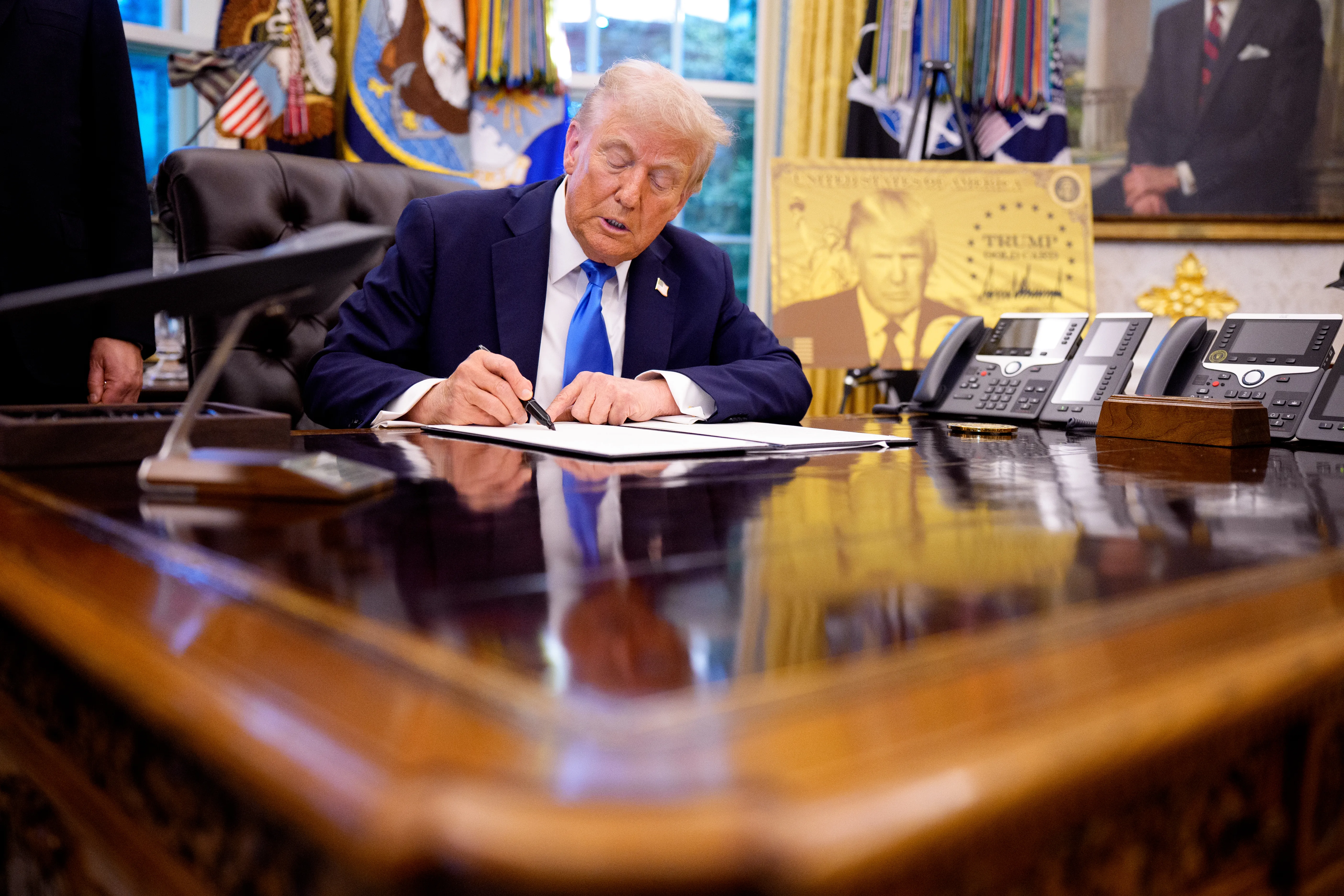
Trump Cancels Nearly $1 Billion in Federal Funds Using Rare Budget Move
President Trump revoked almost $1 billion in congressionally approved funding targeting immigration and race-focused programs, triggering bipartisan criticism and raising questions about executive authority over spending.
15 sources · over 3 days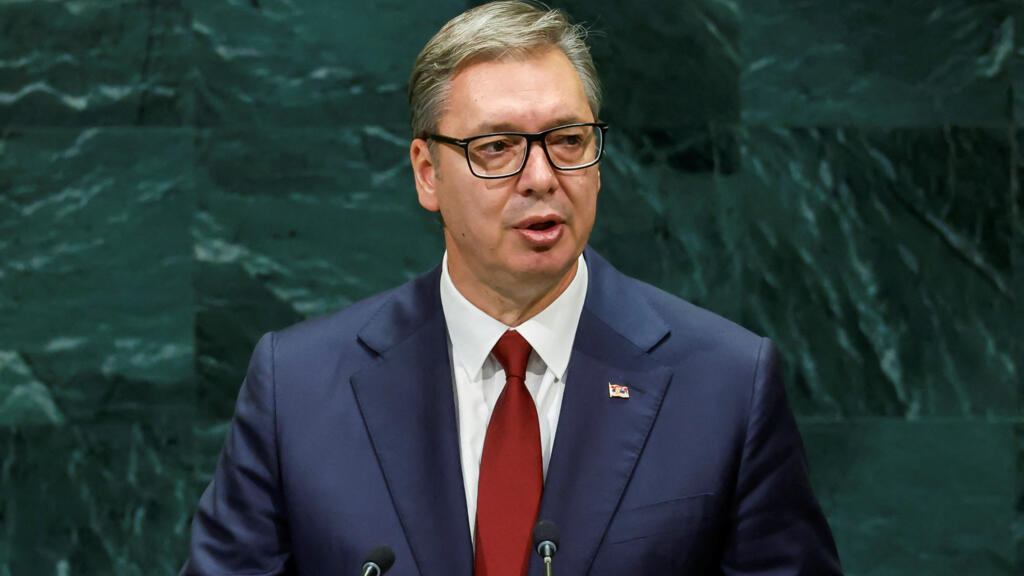
Serbian President Aleksandar Vucic Resigns Ahead of Parliamentary Elections, Eyes Prime Minister Role
Aleksandar Vucic has stepped down as Serbia's president just before early elections, setting the stage for a possible transition to prime minister and a major shift in the country's leadership.
23 sources · today
Andy Burnham Faces Early Tests as UK Prime Minister Amid Labour Unrest
Andy Burnham's first weeks as UK Prime Minister have been shaped by high-profile diplomacy, internal Labour divisions, and a refusal to call an early election, setting the stage for his first party conference.
15 sources · over 7 days