OpenAI Claims Solution to Navier-Stokes Millennium Problem, Faces Credit Dispute
OpenAI announced it solved the Navier-Stokes Millennium Problem using advanced AI, but the mathematical community is divided over allegations of improper use of private research and questions about proper credit.
By Mei-Ling Chao · First published 9 Sept 2026 · Chapter 2 of 2
Earlier: OpenAI Claims Solution to Navier-Stokes Millennium Problem, Sparking Academic Dispute
In brief
- OpenAI claims its unreleased AI model solved the Navier-Stokes Millennium Problem using 10,000 agents in 88 hours and 130 billion tokens.
- The company published its formal proof and reiterated it will not seek the Millennium Prize for this work.
- Allegations persist that OpenAI used unpublished research from other mathematicians without proper consent or attribution.
- NYU professor Tristan Buckmaster and collaborator Anthony Mathur say OpenAI threatened them over their own upcoming publication.
- The mathematical community is still divided on the legitimacy of OpenAI's solution and demands independent verification.
Timeline · 8 moments
OpenAI announces solution to Navier-Stokes Millennium Problem
Nature ↗OpenAI reveals AI model solved problem in 88 hours for $15 million
New Scientist ↗Controversy erupts over use of private mathematicians' research
Axios ↗Mathematical community divided and calls for more transparency
AI Latest - Wired ↗Allegations of improper data use intensify scrutiny of OpenAI
The Hindu ↗OpenAI publishes proof and says it will not claim prize
The Next Web ↗Mathematicians allege OpenAI misused unpublished research
Reddit ↗OpenAI reveals scale and speed of AI solution
Business Insider ↗Update 9 Sept 2026, 8:12 pm UTC
OpenAI's claim to have solved the Navier-Stokes Millennium Problem has drawn further scrutiny as new details emerge about the methods used and the scale of the AI effort. Reports confirm the solution involved 10,000 AI agents and required 130 billion tokens, but the plagiarism and credit dispute continues to dominate discussion. Allegations from mathematicians about improper use of unpublished research and threats from OpenAI have been widely reported. The mathematical community remains deeply divided, with calls for independent verification still ongoing.
Update 9 Sept 2026, 8:49 am UTC
OpenAI has released its formal proof and clarified it will not pursue the Millennium Prize, but controversy has escalated as NYU professor Tristan Buckmaster and others allege OpenAI used unpublished research without permission. The dispute has deepened, with accusations that OpenAI threatened mathematicians who planned to publish their own proof.
How it started
The Navier-Stokes Millennium Problem is one of the most famous unsolved problems in mathematics, focusing on the equations that describe how fluids move. For decades, mathematicians have tried and failed to prove whether smooth solutions always exist in three dimensions.
In early September 2026, OpenAI made headlines by announcing it had solved this problem. The company claimed its advanced AI system found a solution in just under four days, using massive computing power and a new generation of machine learning models.
This announcement quickly drew attention, given the problem's longstanding status and the prestige of the Millennium Prize attached to it.
How it unfolded
On September 8, 2026, OpenAI publicly revealed its claimed solution to the Navier-Stokes problem. The company said it used thousands of AI agents and spent about $15 million to arrive at a proof, which was formally verified using advanced AI tools.
Almost immediately, leading mathematicians and rival AI labs began questioning the originality of the work. Reports surfaced alleging that OpenAI's solution may have relied on unpublished or private research from academic mathematicians, raising ethical and legal concerns.
The debate intensified as details of the proof and the methods used became public. Some experts praised the technical achievement, while others called for a review of the process and the sources OpenAI's AI had access to during its training.
By September 9, the controversy had become the dominant story, with mathematicians worldwide debating the legitimacy of the result and whether OpenAI deserved full credit. Accusations of improper data use further fueled skepticism and calls for transparency.
Where it stands
As of now, OpenAI stands by its claim and has published a formal account of its AI-assisted proof. However, the mathematical and academic communities remain sharply divided over the legitimacy of the solution and the ethical questions surrounding its development.
The controversy has overshadowed the technical achievement, leaving the official recognition of OpenAI's solution unresolved. There are ongoing calls for independent verification and for OpenAI to clarify what data and research were used.
What to watch
The next steps include independent peer review of OpenAI's proof and a potential investigation into the source of the research data used. The Clay Mathematics Institute, which awards the Millennium Prizes, will likely weigh in on whether OpenAI's result meets its standards for a solution. The outcome could shape how AI-driven discoveries are credited and validated in mathematics.
More in Science
All →
Lian Yunzhi Sets Rubik's Cube Record With 4.52 Second Average
Six-year-old Lian Yunzhi set the women's 3x3 Rubik's Cube world record with a 4.52 second average at a Wuhan competition.
20 sources · over 4 days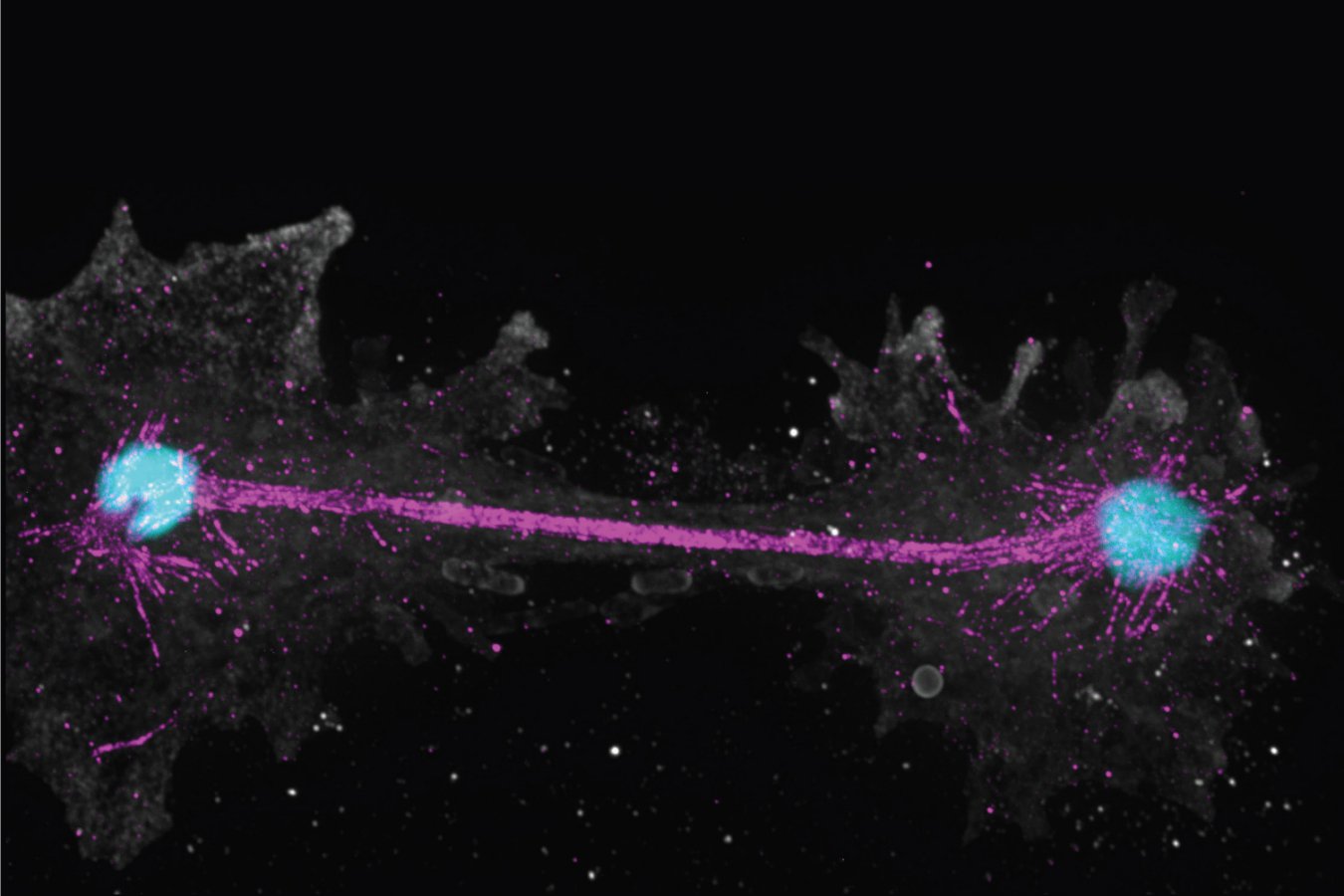
Fire Amoeba Survives at 158°F, Breaking Heat Tolerance Record
Scientists confirm a California amoeba thrives at 158°F, raising the heat survival record for complex life.
11 sources · over 2 days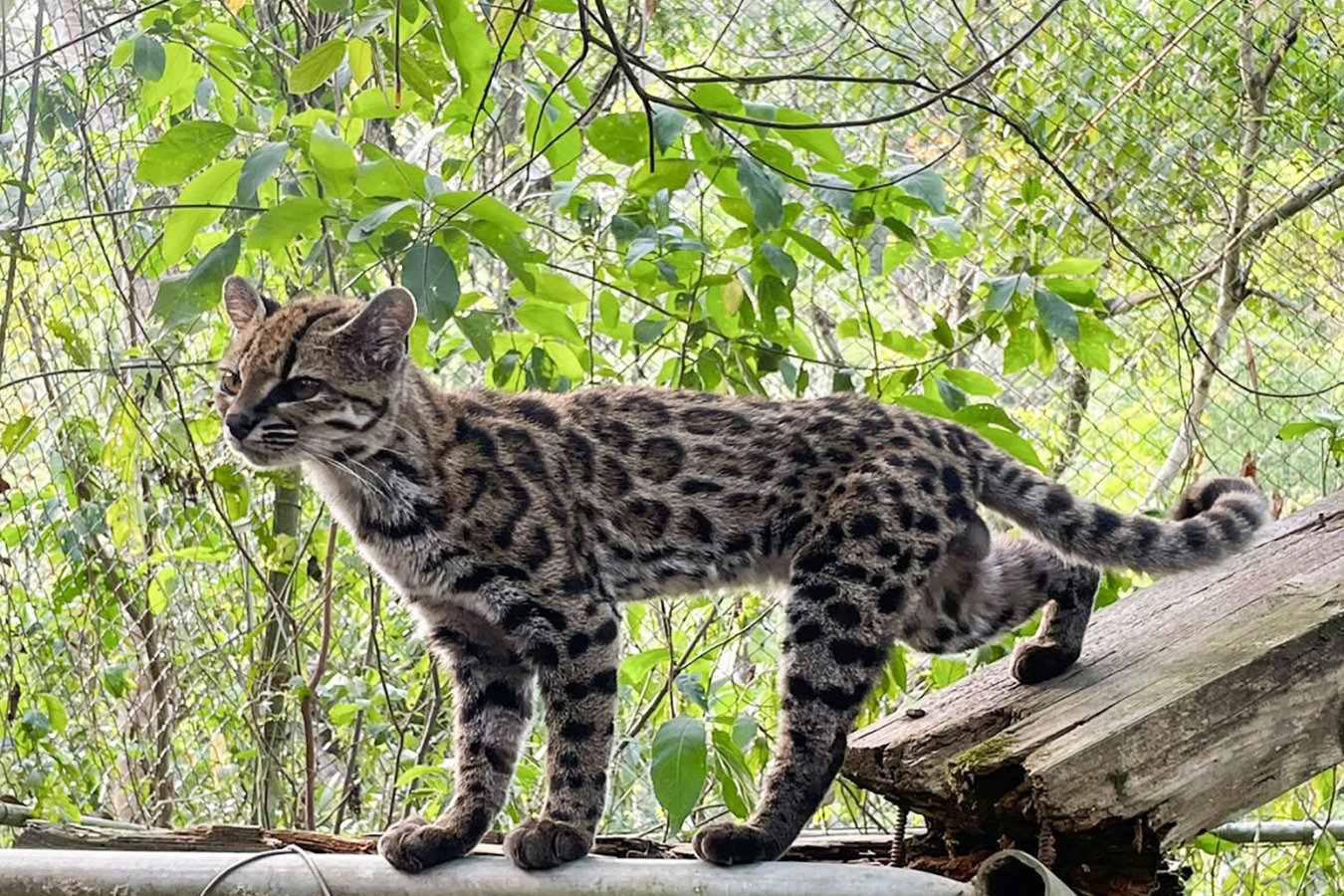
Bolivia's Tilcayo Wild Cat Confirmed as 3-Pound Distinct Species
DNA analysis shows the newly discovered tilcayo wild cat is smaller than a domestic cat and genetically unique.
39 sources · over 6 days