Piddington Village Declares Independence to Protest Asylum Housing Plan
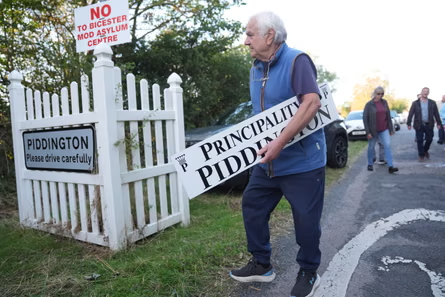
Residents in Piddington, Oxfordshire, held a symbolic referendum and declared independence in protest against government plans to house over 1,200 asylum seekers nearby.
By Elena Petrova · First published 16 Sept 2026
In brief
- Piddington residents voted overwhelmingly in a symbolic referendum to declare independence from the United Kingdom.
- The protest targets government plans to house up to 1,256 asylum seekers at the nearby former MoD Bicester base.
- The declaration of independence remains symbolic and without legal force, but has received significant national media attention.
- Nigel Farage and other political figures have publicly supported the parish council, and other villages are considering similar referendums.
- Local opposition to the asylum center continues, with the vote used to pressure the government for urgent reconsideration.
Timeline · 7 moments
Piddington villagers hold symbolic independence referendum
BBC Politics ↗Polls close after second independence vote in Piddington
Home | GB News ↗Village declares independence following referendum results
Latest news, sport and opinion from the Guardian ↗Residents demand urgent government action after vote
Home | GB News ↗International media report on Piddington's independence declaration
World News Headlines, Latest International News, World Breaking News - Times of India News ↗Other UK villages consider independence referendums
Daily Mail ↗MoD Bicester asylum plan now up to 1,256 places
The Independent ↗Update 17 Sept 2026, 4:28 pm UTC
The referendum in Piddington has attracted attention from national figures like Nigel Farage, who publicly praised the parish council's actions. The symbolic vote has prompted councillors in other villages to consider similar measures, and the number of asylum seekers proposed for the MoD Bicester site is now reported as up to 1,256.
Update 16 Sept 2026, 5:57 pm UTC
Piddington's symbolic independence vote has sparked interest from councillors in other villages, with up to 500 reportedly considering similar referendums. The protest remains symbolic and legally unrecognized, but the move has drawn national attention and reactions from political figures.
How it started
Tensions in Piddington began when the UK government announced plans to convert a nearby military base into housing for more than 1,200 asylum seekers. Many in the village saw this as a threat to their community and way of life. Local opposition quickly grew, with residents organizing protests and voicing concerns about the scale and speed of the proposed changes. The idea of holding a referendum to declare independence emerged as a symbolic act of protest rather than a genuine bid for statehood.
How it unfolded
On September 15, 2026, Piddington residents went to the polls for a second symbolic referendum on independence, motivated by frustration with national asylum policies. Security was a concern, with locals reportedly taking extra precautions as voting took place. The following day, the results were announced, showing overwhelming support for leaving the UK. The village formally declared its independence on September 16, framing the move as a protest rather than a practical separation. The story quickly attracted national and international attention, with coverage highlighting the scale of local opposition and the unusual step of a village holding an independence vote.
Where it stands
Piddington's declaration of independence is purely symbolic and carries no legal force. The government has not recognized the move, and the asylum housing plans remain in place for now. Residents are using the vote to pressure the authorities and demand a reconsideration of the asylum seeker accommodation project. The situation remains tense, with locals waiting to see if their protest will lead to meaningful change.
What to watch
Attention now turns to whether the government will respond to Piddington's demands or adjust its asylum housing plans. The outcome could influence similar protests in other communities facing large-scale accommodation projects.
More in Politics
All →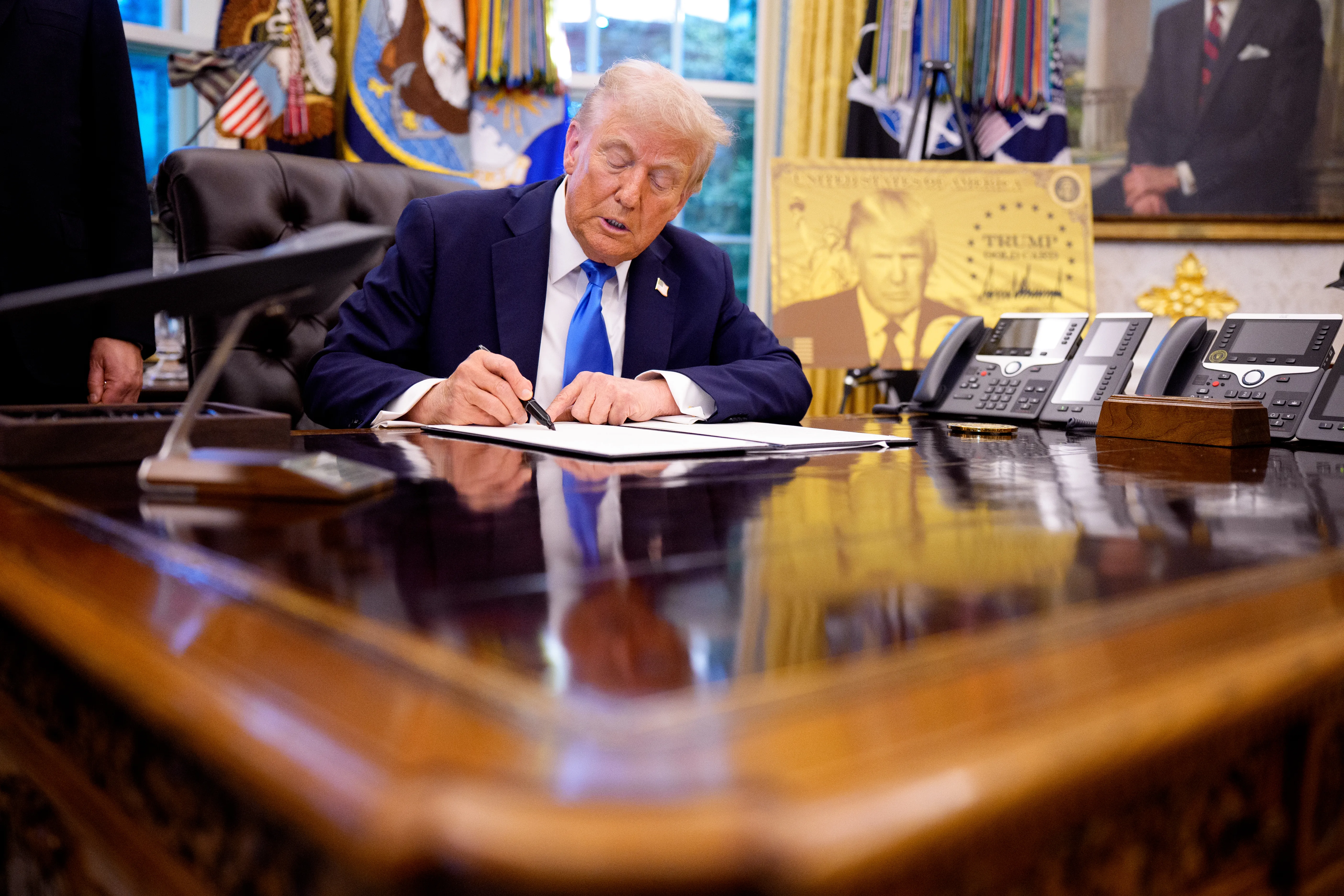
Trump Cancels Nearly $1 Billion in Federal Funds Using Rare Budget Move
President Trump revoked almost $1 billion in congressionally approved funding targeting immigration and race-focused programs, triggering bipartisan criticism and raising questions about executive authority over spending.
15 sources · over 3 days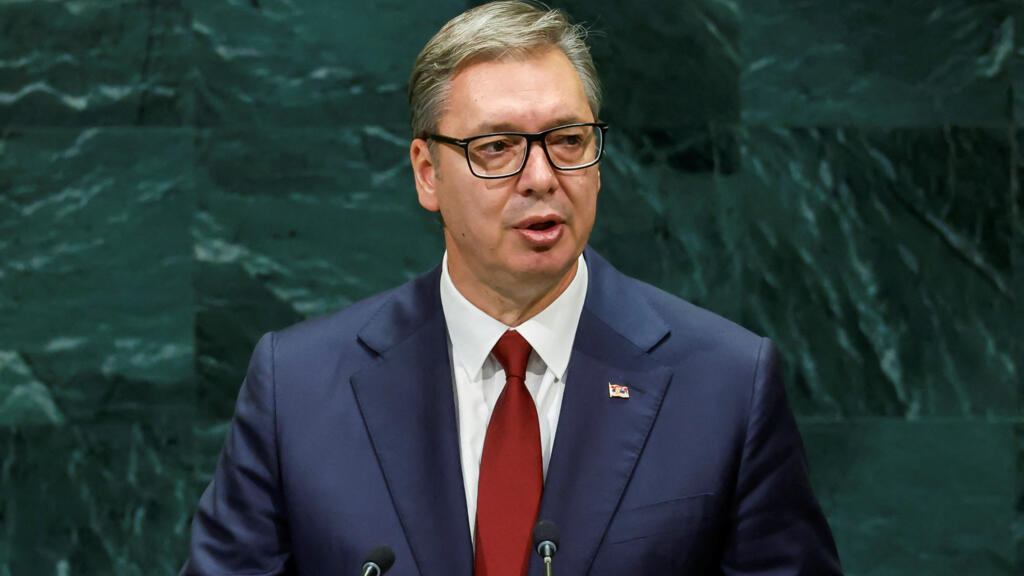
Serbian President Aleksandar Vucic Resigns Ahead of Parliamentary Elections, Eyes Prime Minister Role
Aleksandar Vucic has stepped down as Serbia's president just before early elections, setting the stage for a possible transition to prime minister and a major shift in the country's leadership.
23 sources · today
Andy Burnham Faces Early Tests as UK Prime Minister Amid Labour Unrest
Andy Burnham's first weeks as UK Prime Minister have been shaped by high-profile diplomacy, internal Labour divisions, and a refusal to call an early election, setting the stage for his first party conference.
15 sources · over 7 days