Supreme Court Rejects Trump's Mail Ballot Restrictions Before Midterms
The Supreme Court has blocked new mail-in voting restrictions, allowing the previous rules to remain for the 2026 midterm elections.
By Aisha Karimi · First published 14 Sept 2026
In brief
- President Trump's effort to impose mail-in voting restrictions before the midterms was rejected by the Supreme Court in a 7-2 decision.
- Two federal judges had already blocked the restrictions, and the Supreme Court's ruling means they will not be enforced for this election.
- Trump has publicly criticized the justices, including his own appointees, after the ruling was announced.
- Election officials confirmed that mail-in ballots will be processed under the previous regulations for the 2026 midterms.
- The ruling removes immediate legal uncertainty and maintains access to mail-in voting for the upcoming elections.
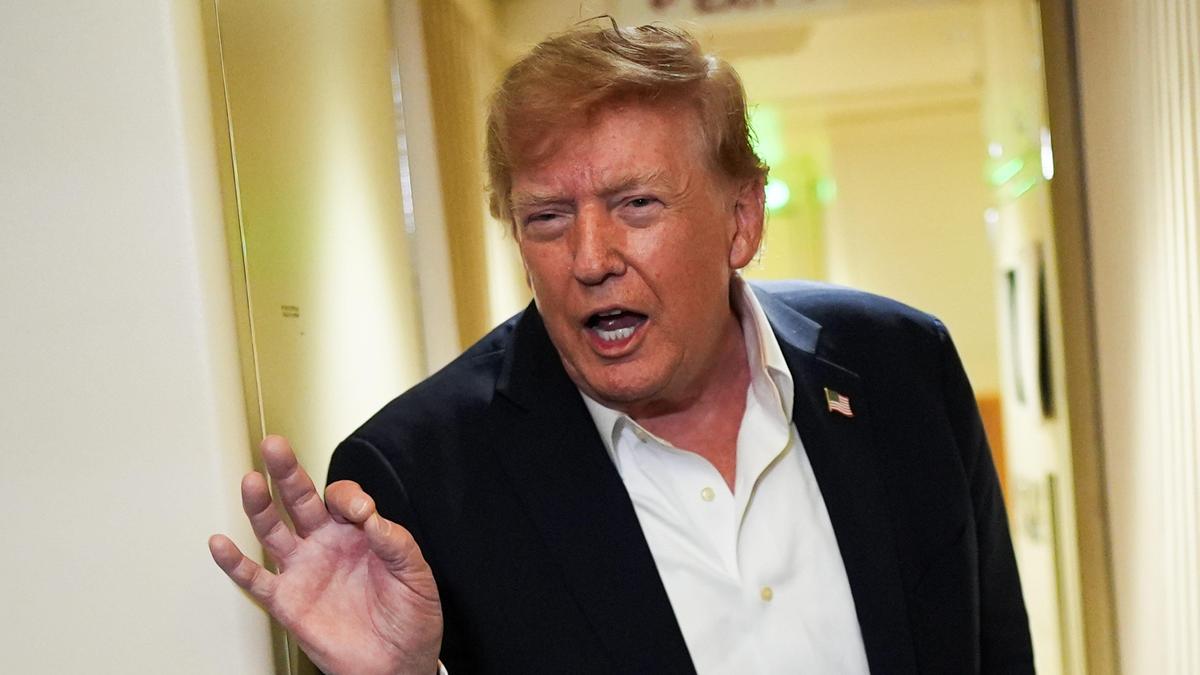
Timeline · 7 moments
Trump administration announces new Postal Service rules for mail-in ballots
NYT Politics ↗First federal judge blocks Trump's mail ballot order
The Independent ↗Second federal judge freezes Trump mail ballot order
The Hindu ↗Supreme Court declines to let Trump restrictions take effect for midterms
NBC News ↗Justice Kavanaugh calls Postal Service rule arbitrary and capricious
CNBC ↗Supreme Court rejects Trump's mail-in ballot restrictions
NPR News ↗Trump publicly criticizes Supreme Court after ruling
CNBC ↗Update 15 Sept 2026, 5:48 pm UTC
The Supreme Court has formally rejected President Trump's attempt to restrict mail-in voting for the upcoming midterms, with a 7-2 decision. Trump responded by publicly criticizing the justices, including those he appointed, calling the ruling a major loss for Republicans. The blocked restrictions will not affect the 2026 midterm elections, and mail-in voting will proceed under existing rules.
Update 15 Sept 2026, 3:17 am UTC
The Supreme Court has rejected President Trump's attempt to impose new restrictions on mail-in voting for the midterm elections. Existing mail-in ballot rules will remain in place, and election officials have welcomed the decision as voting is already underway.
How it started
President Donald Trump has repeatedly expressed concerns about mail-in voting, claiming it could lead to election fraud. Leading up to the 2026 midterm elections, his administration pushed for new rules through the U.S. Postal Service that would restrict how mail-in ballots are processed and counted.
These new rules were presented as a way to improve election integrity, but critics argued they would make voting harder for many Americans. The debate over mail-in voting has become a central issue in the run-up to the midterms, as millions of voters are expected to use this option.
How it unfolded
In August 2026, the Trump administration announced new Postal Service rules for mail-in ballots, which included tighter requirements and screening measures. The move quickly drew legal challenges from voting rights groups and several states, who argued the changes would disenfranchise voters and disrupt the election process.
On September 13, a federal judge issued the first ruling to block the administration's order, preventing the U.S. Postal Service from enforcing the new restrictions. The following day, a second federal judge in Washington, D.C. issued a similar order, further halting the implementation of the rules, as reported by The Hindu.
The situation escalated as President Trump and his legal team requested the Supreme Court to intervene and allow the new rules to take effect. However, the Supreme Court declined this request, meaning the restrictions would not be in place for the upcoming midterm elections, according to NBC News and NPR Politics.
Justice Brett Kavanaugh, writing for the Court, stated that applying the Postal Service rule for the 2026 midterms would be "arbitrary and capricious," as reported by CNBC. This series of rulings has left the Trump administration's plan in legal limbo just weeks before voters head to the polls.
Where it stands
With two federal judges having blocked the order and the Supreme Court refusing to allow the restrictions for this election cycle, Trump's mail-in voting rule is on hold. Election officials are preparing for the midterms under the previous rules, without the new restrictions.
The legal battle has created uncertainty for voters and administrators. Any future changes would depend on further court rulings or new legislation, but for now, the blocked rules will not affect the 2026 midterm elections.
What to watch
The Supreme Court could still issue a more detailed ruling or guidance on the broader legal questions around mail-in voting. Both sides are watching closely for any further action that could affect future elections.
Voters and officials should stay alert for updates, but as of now, the blocked restrictions are not expected to impact this year's midterms.
More in Politics
All →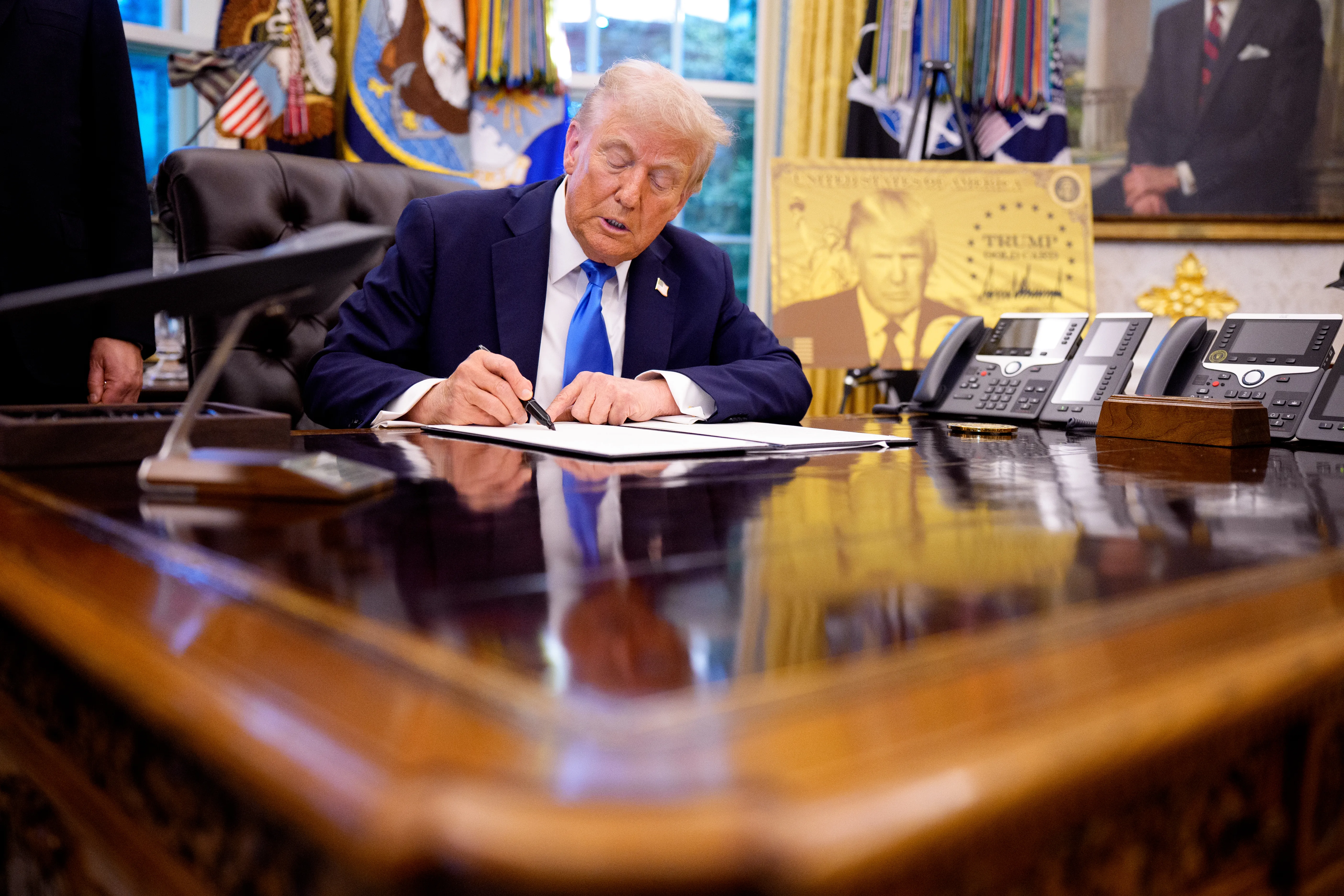
Trump Cancels Nearly $1 Billion in Federal Funds Using Rare Budget Move
President Trump revoked almost $1 billion in congressionally approved funding targeting immigration and race-focused programs, triggering bipartisan criticism and raising questions about executive authority over spending.
15 sources · over 3 days
Serbian President Aleksandar Vucic Resigns Ahead of Parliamentary Elections, Eyes Prime Minister Role
Aleksandar Vucic has stepped down as Serbia's president just before early elections, setting the stage for a possible transition to prime minister and a major shift in the country's leadership.
23 sources · today
Andy Burnham Faces Early Tests as UK Prime Minister Amid Labour Unrest
Andy Burnham's first weeks as UK Prime Minister have been shaped by high-profile diplomacy, internal Labour divisions, and a refusal to call an early election, setting the stage for his first party conference.
15 sources · over 7 days