Senate Blocks Trump-Backed Clarity Act in 49-50 Vote, Crypto Industry Reels
The Senate failed to advance the Clarity Act, a major crypto bill supported by Trump, with the legislation falling 10 votes short.
By Ethan Cole · First published 15 Sept 2026
In brief
- The Clarity Act, a major cryptocurrency regulation bill backed by Trump, failed in the Senate with a 49-50 vote.
- The bill included bipartisan ethics provisions barring public officials, including Trump and his wife, from creating or promoting certain digital tokens.
- Democrats unanimously opposed the bill, joined by several Republicans, citing unresolved concerns about Trump's crypto holdings and potential conflicts.
- The defeat is a major setback for the crypto industry, which had lobbied heavily for regulatory clarity and saw shares in major firms fall after the vote.
- Congress is now set for recess before the election, leaving the future of crypto regulation uncertain and the industry disappointed.
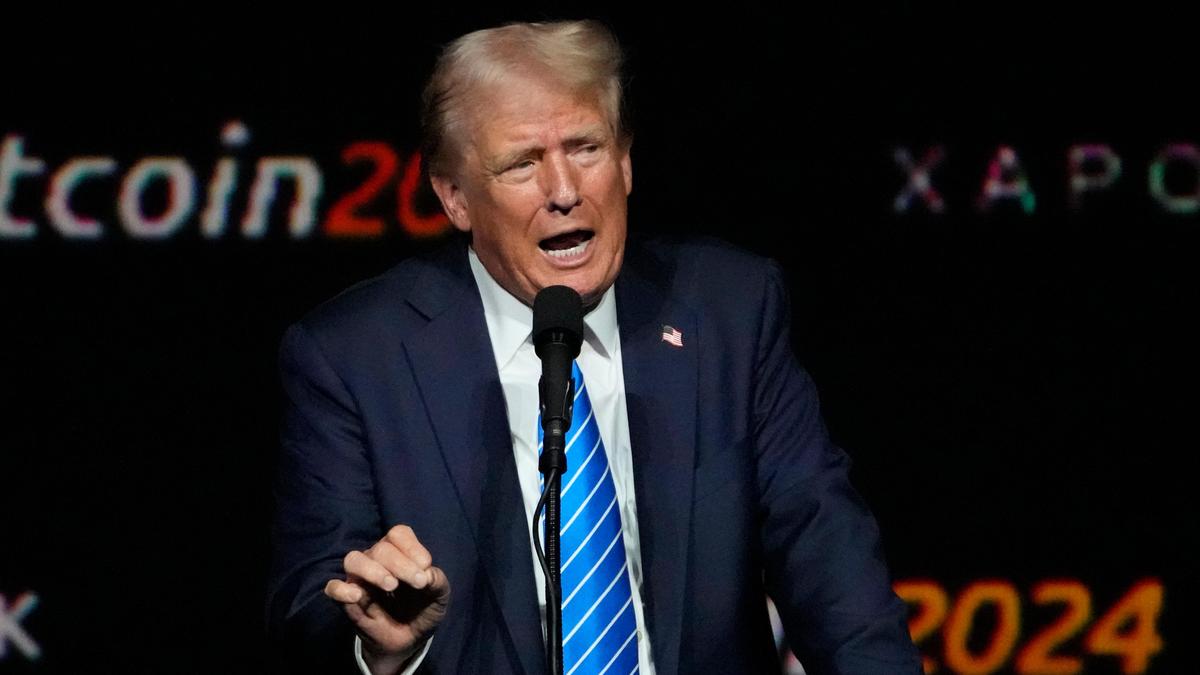
Timeline · 9 moments
Trump weighs ethics compromise before crypto bill vote
Breaking News on Seeking Alpha Business & Economy ↗White House agrees to new ethics language in Clarity Act
The Hill ↗Trump agrees to bar himself and wife from issuing meme coins
The Hindu ↗Republican senators release final text of Clarity Act with ethics terms
The Defiant ↗Senate prepares for crucial vote on crypto bill
CNBC ↗Senate procedural vote on Clarity Act falls short
The Hill ↗Senate blocks crypto bill amid ethics concerns over Trump's assets
NYT Politics ↗Crypto markets react as hopes for Clarity Act fade
Breaking News on Seeking Alpha Business & Economy ↗Bill falls 10 votes short, industry faces setback
Business Line - Home ↗Update 16 Sept 2026, 10:16 am UTC
The Senate has officially blocked the Clarity Act in a 49-50 vote, with no Democratic support and several Republicans also voting no. The bill fell 10 votes short of the 60 needed to advance, leaving the crypto industry with no clear regulatory path and causing a drop in crypto company shares.
How it started
The push for national cryptocurrency regulation in the US had been gaining momentum, driven by industry growth and a series of scandals. Lawmakers from both parties worked on the Clarity Act, aiming to bring clear rules to digital assets and markets. However, ethics became a sticking point, particularly over whether public officials could benefit from crypto activities. With the Senate preparing for a crucial vote, President Trump faced pressure to accept tougher ethics provisions to secure enough support.
How it unfolded
On September 13, reports emerged that Trump was considering an ethics compromise to help the crypto bill clear the Senate. The next day, the White House confirmed agreement to new bipartisan ethics language, which specifically barred public officials from issuing or sponsoring certain digital tokens. According to multiple sources, this included a ban on Trump and his wife launching meme coins, a move aimed at addressing concerns about personal enrichment.
Republican senators announced the updated bill text and scheduled a procedural vote for September 15. The crypto industry and investors watched closely, hoping for a breakthrough after months of negotiations. Despite the changes, opposition remained sharp among Senate Democrats, who questioned whether the new ethics rules went far enough to address Trump's own crypto holdings.
When the Senate finally voted, the bill fell short of the 60 votes needed to advance. All Democrats and a handful of Republicans voted against moving forward, citing unresolved concerns over ethics loopholes and presidential conflicts of interest.
Where it stands
The Clarity Act is now stalled after failing a key procedural vote in the Senate. The setback has left the crypto industry disappointed and regulatory uncertainty unresolved. Lawmakers on both sides are calling for renewed bipartisan negotiations, but there is no clear path forward yet. The debate over ethics, transparency, and the role of public officials in digital assets remains front and center.
What to watch
With the bill blocked, attention will turn to whether lawmakers can find a new compromise that addresses ethics concerns to the satisfaction of both parties. The crypto industry will be watching closely for any signs of revived talks or alternative proposals as the regulatory debate continues.
More in Politics
All →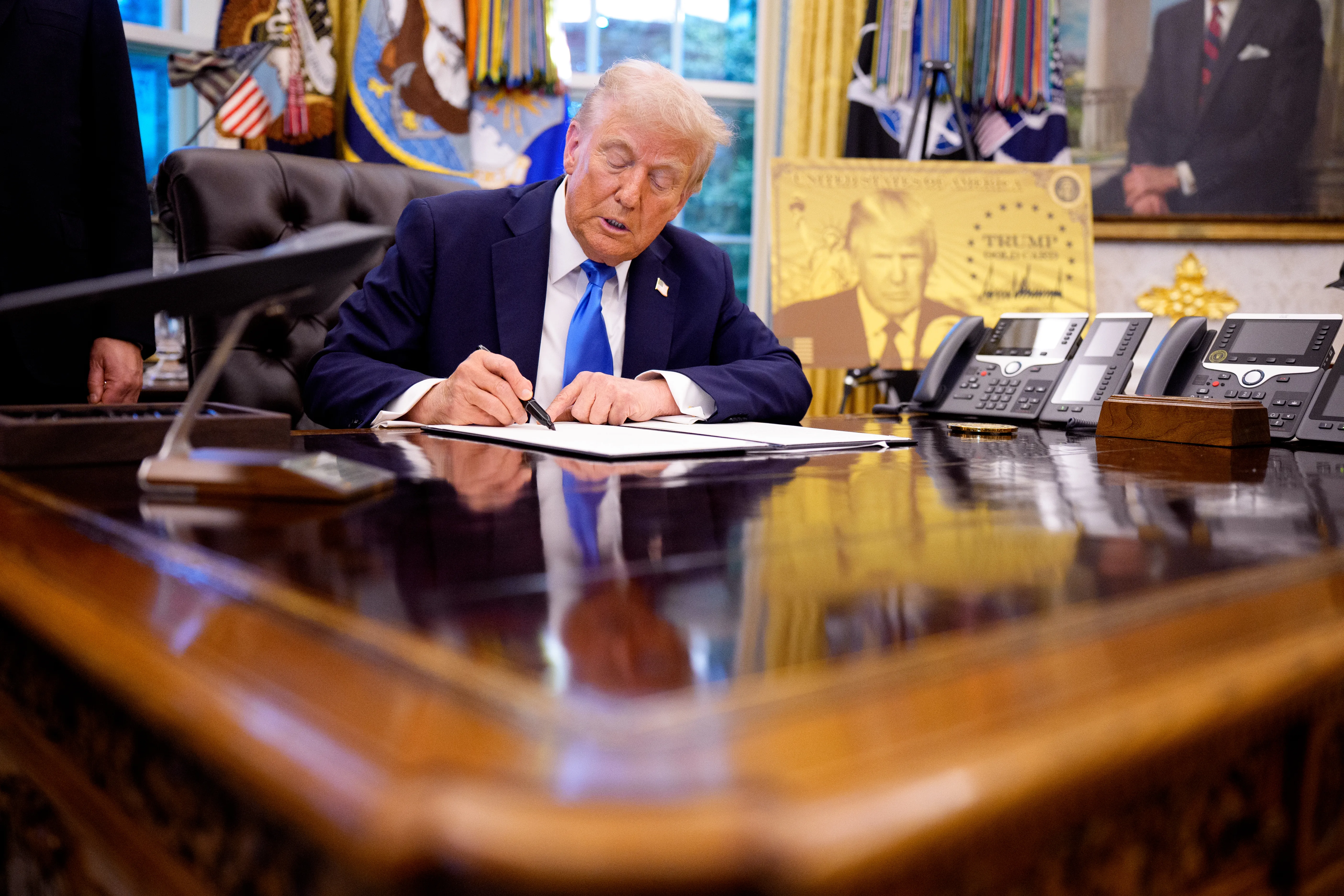
Trump Cancels Nearly $1 Billion in Federal Funds Using Rare Budget Move
President Trump revoked almost $1 billion in congressionally approved funding targeting immigration and race-focused programs, triggering bipartisan criticism and raising questions about executive authority over spending.
15 sources · over 3 days
Serbian President Aleksandar Vucic Resigns Ahead of Parliamentary Elections, Eyes Prime Minister Role
Aleksandar Vucic has stepped down as Serbia's president just before early elections, setting the stage for a possible transition to prime minister and a major shift in the country's leadership.
23 sources · today
Andy Burnham Faces Early Tests as UK Prime Minister Amid Labour Unrest
Andy Burnham's first weeks as UK Prime Minister have been shaped by high-profile diplomacy, internal Labour divisions, and a refusal to call an early election, setting the stage for his first party conference.
15 sources · over 7 days