Trump Administration Appeals Supreme Court to Reinstate Mail-In Voting Restrictions
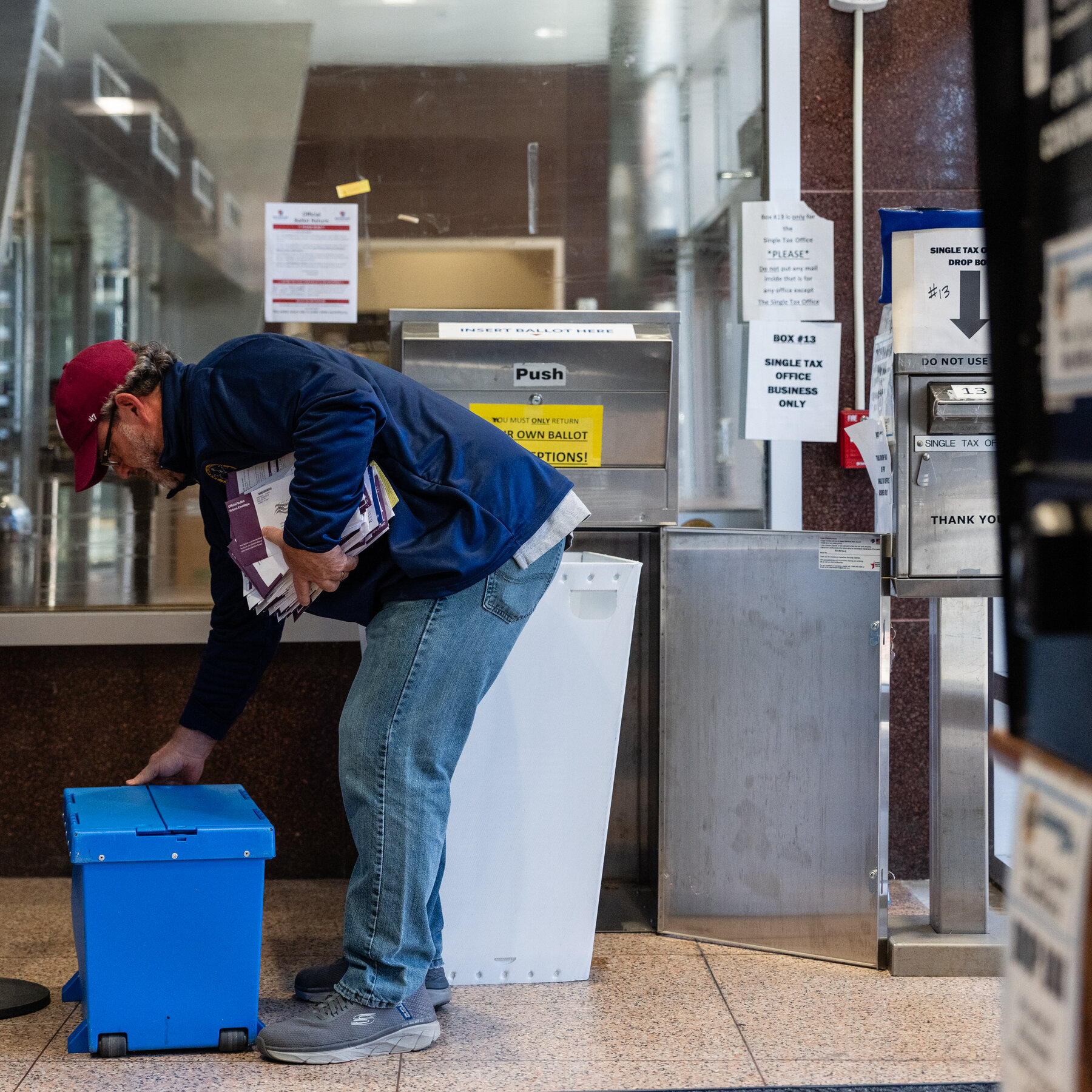
With midterm ballots already being sent out, the Trump administration is urgently seeking Supreme Court approval to enforce new mail-in voting rules that lower courts blocked over fears of voter disenfranchisement.
By Claire Dubois · First published 4 Sept 2026
In brief
- The Trump administration has submitted a third emergency appeal to the Supreme Court to allow new mail-in ballot restrictions.
- A federal judge's preliminary injunction continues to block the proposed restrictions from taking effect ahead of the midterm elections.
- Election officials are distributing mail-in ballots in multiple states while the legal dispute remains unresolved.
- The Supreme Court has not yet ruled on whether the new restrictions can be enforced for the upcoming election.
- Concerns about potential voter disenfranchisement and election fraud claims are central to the ongoing legal battle.
Timeline · 8 moments
Federal judge blocks Trump mail-in voting rule changes
The New York Times ↗Trump administration files urgent Supreme Court appeal on mail-in ballot rules
ABC News ↗DOJ asks Supreme Court to allow USPS action on mail-in ballots
NBC News ↗Judge extends block on Trump-backed USPS mail-in ballot requirements
CBS Top Stories ↗Ballots begin reaching Americans as court battle continues
Euronews ↗Supreme Court asked to allow mail-in ballot curbs for midterms
Japan Times ↗Judge issues preliminary injunction blocking Trump mail-in voting rules
NDTV News - World-news News ↗Trump administration renews Supreme Court appeal on voting rules
NYT Politics ↗Update 8 Sept 2026, 10:38 pm UTC
The Trump administration has filed a third emergency appeal to the Supreme Court, again seeking to allow new mail-in ballot restrictions before the midterm elections. The federal judge's block on these changes remains in place, and ballots are being mailed out in several states as the Court considers the latest request.
Update 6 Sept 2026, 3:10 pm UTC
A federal judge has extended the block on the Trump administration's new mail-in voting restrictions, replacing the previous temporary order with a preliminary injunction. The case remains unresolved as the administration has again asked the Supreme Court to allow the new rules, but for now, the restrictions remain halted and ballots are being sent out under existing guidelines.
How it started
Efforts to change mail-in voting rules began with an executive order from President Trump, directing the U.S. Postal Service to tighten regulations on mailed ballots ahead of the midterm elections. The administration argued these changes were needed to ensure election security. Critics, however, warned that the new rules could make it harder for eligible voters to have their ballots counted, especially as millions of Americans plan to vote by mail.
The proposed changes quickly drew legal challenges from voting rights groups and state officials. They argued that the rules were rushed and risked invalidating legitimate votes, particularly for those who rely on mail-in ballots due to health, age, or distance from polling places.
How it unfolded
On September 3, 2026, a federal judge issued a temporary block on the Trump administration's new mail-in voting rules, citing concerns about potential disenfranchisement and the rushed nature of the changes. The judge described the Postal Service's approach as experimental, warning that it could lead to valid ballots being discarded if the rules were enforced so close to the election.
Following the court's decision, the Trump administration and Department of Justice swiftly announced plans to appeal, requesting that the Supreme Court lift the block and allow the new regulations to proceed. This request was filed as states were beginning to send out mail-in ballots to voters.
While the administration argued that the changes were necessary for election integrity, opponents accused officials of trying to influence the outcome of the congressional midterms by making it harder for some voters to participate. Whistleblowers also raised alarms, warning that millions of ballots could go undelivered if the new rules were implemented without proper preparation.
By September 4, the judge extended the block, keeping the new rules on hold as the Supreme Court considered the administration's emergency appeal. Election officials expressed concern that continued legal uncertainty could confuse voters and complicate ballot processing.
Where it stands
The Supreme Court has not yet ruled on whether the Trump administration's mail-in voting restrictions can take effect for the midterm elections. The lower court's block remains in place, so voters can currently use mail-in ballots under the previous guidelines.
With ballots already being sent out in several states, election officials are watching closely for a final decision. The legal battle remains unresolved, and the outcome could impact how millions of Americans cast their votes this November.
What to watch
The Supreme Court could decide at any time whether to allow the new mail-in voting rules to take effect. Their decision will directly impact how ballots are processed for the midterms, and could set a precedent for future elections. Voters and officials alike are awaiting clarity as the election approaches.
More in Politics
All →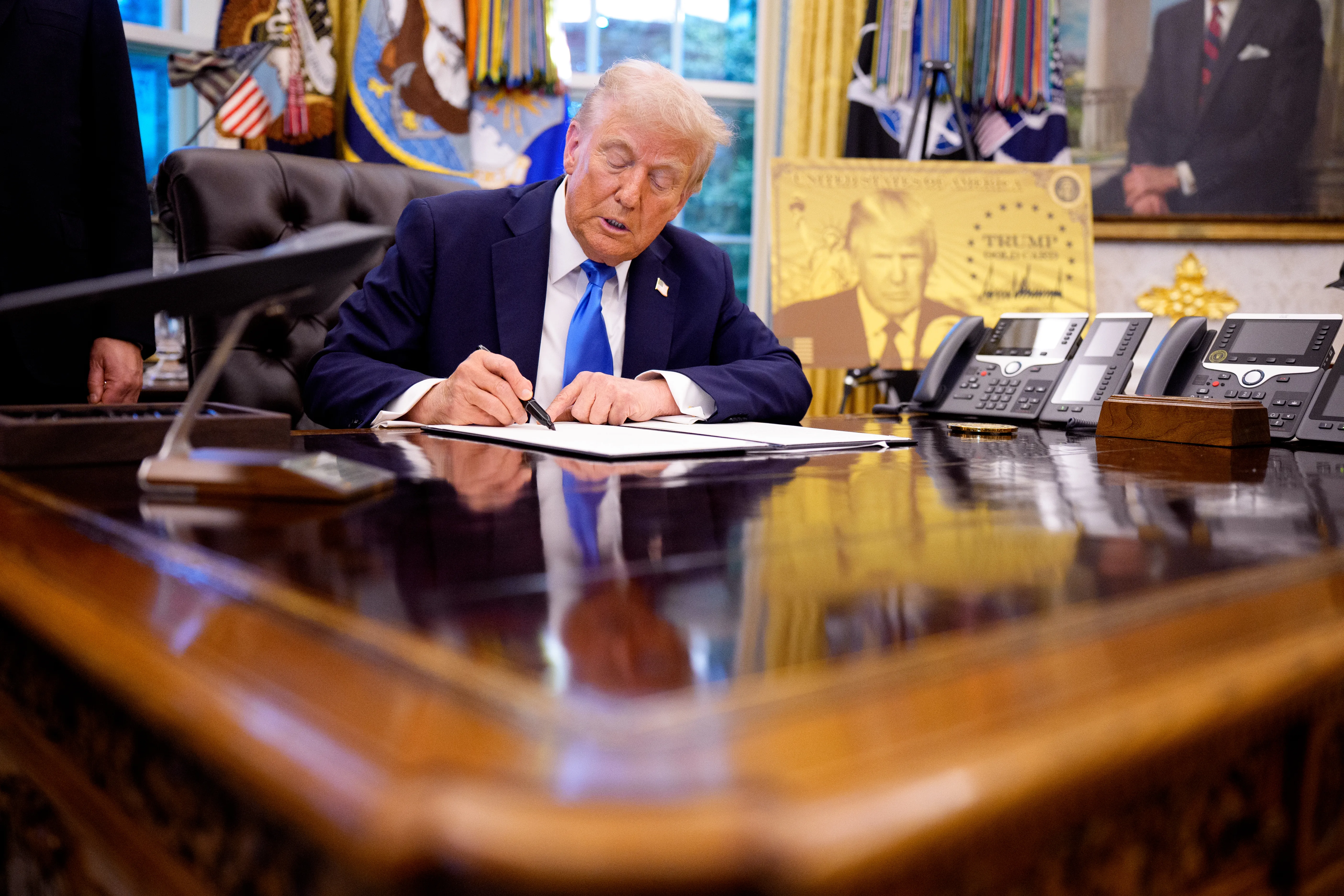
Trump Cancels Nearly $1 Billion in Federal Funds Using Rare Budget Move
President Trump revoked almost $1 billion in congressionally approved funding targeting immigration and race-focused programs, triggering bipartisan criticism and raising questions about executive authority over spending.
15 sources · over 3 days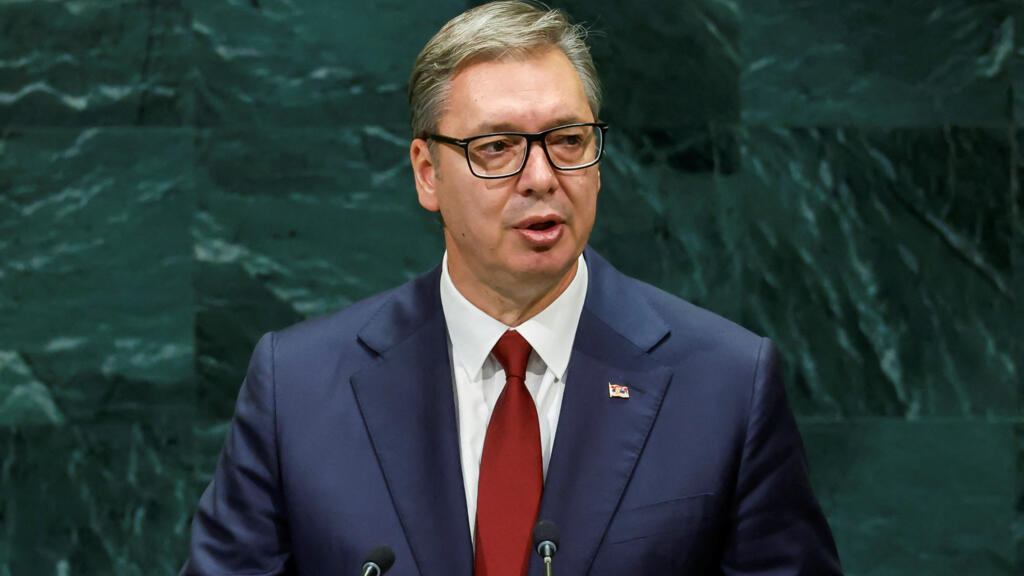
Serbian President Aleksandar Vucic Resigns Ahead of Parliamentary Elections, Eyes Prime Minister Role
Aleksandar Vucic has stepped down as Serbia's president just before early elections, setting the stage for a possible transition to prime minister and a major shift in the country's leadership.
23 sources · today
Andy Burnham Faces Early Tests as UK Prime Minister Amid Labour Unrest
Andy Burnham's first weeks as UK Prime Minister have been shaped by high-profile diplomacy, internal Labour divisions, and a refusal to call an early election, setting the stage for his first party conference.
15 sources · over 7 days