Trump Administration Backs OpenAI in New York Times Copyright Lawsuit
The Trump administration has officially supported OpenAI in its legal fight with the New York Times over AI training on copyrighted news articles, a move that could shape future copyright law and AI development.
By Luca Moretti · First published 2 Sept 2026
In brief
- The Trump administration continues to support OpenAI in ongoing copyright lawsuits brought by major news organizations.
- The Seattle Times and Newsday have joined the New York Times in suing OpenAI and Microsoft for alleged copyright infringement.
- The lawsuits allege that OpenAI and Microsoft used paywalled and copyrighted news articles to train AI models without permission.
- Some plaintiffs are now asking the court to order the destruction of AI models trained on their content.
- The outcome of these lawsuits could set significant legal precedents for how AI companies use copyrighted material in training.

Timeline · 7 moments
Trump administration supports OpenAI in NYT copyright lawsuit
The Verge - All Posts Tech ↗Trump administration backs OpenAI in New York Times copyright fight
BetaNews ↗US government sides with OpenAI on issue of training LLMs on copyrighted material
TechCrunch ↗Trump Admin Tells Court: Let OpenAI Rip Off The Intercept's Articles
The Intercept ↗Trump administration files court document backing OpenAI
Digital Journal ↗Seattle Times and Newsday file new copyright lawsuits
World News CNA ↗Plaintiffs seek destruction of AI models in court
The Verge - All Posts Tech ↗Update 7 Sept 2026, 3:10 am UTC
Two more news organizations, The Seattle Times and Newsday, have filed lawsuits against OpenAI and Microsoft, joining the New York Times in alleging copyright infringement related to AI model training. The lawsuits specifically claim unauthorized use of paywalled and copyrighted articles, and some plaintiffs are now seeking the destruction of AI models trained on their content.
Update 5 Sept 2026, 3:54 am UTC
Two more major publishers, the Seattle Times and Newsday, have filed separate copyright lawsuits against OpenAI and Microsoft, expanding the legal fight over AI training on news content. The Justice Department continues to back OpenAI, warning that restricting AI training could harm technological progress.
How it started
The legal battle began when the New York Times accused OpenAI of using its articles without permission to train large language models, including ChatGPT. The newspaper claimed this violated its copyright and sought significant damages.
The dispute highlights a growing tension between technology companies developing artificial intelligence and media outlets seeking to protect their content. As AI models require vast amounts of text data to improve, questions about the legality of scraping and using copyrighted material have become unavoidable.
OpenAI, backed by Microsoft, has argued that its use of news articles falls under 'fair use,' a legal doctrine that allows limited use of copyrighted material in certain circumstances.
How it unfolded
On September 2, 2026, news broke that the Trump administration had intervened in the lawsuit, siding with OpenAI. According to Reuters and The Verge, the government filed a statement of interest with the court, formally backing OpenAI's fair use defense.
TechCrunch reported that the administration's legal brief emphasized the importance of a strong and competitive American AI industry. The Department of Justice argued that allowing AI companies to train on copyrighted material is crucial for national security and technological leadership.
The Financial Times noted the government's position that training AI models on copyrighted content should not be considered illegal. The Hollywood Reporter explained that this intervention signals a significant stance on how the US sees AI and media responsibility.
Coverage from The Intercept revealed that the administration's support extended beyond the Times case, referencing similar disputes with other media outlets over the use of their content by OpenAI.
Where it stands
As of early September 2026, the Trump administration's support gives OpenAI a powerful ally in court. The Justice Department's filing has added weight to OpenAI's argument that its practices are legal and beneficial for US interests.
The case remains unresolved, with both sides preparing for further legal proceedings. The outcome could set a precedent for how AI companies use copyrighted material across the industry.
What to watch
The next steps will involve additional court hearings, where the Times and OpenAI will argue their positions with the US government's stance now on record. The court's decision could reshape the boundaries of fair use in the era of artificial intelligence, affecting not only news publishers and tech companies but also the future of AI training practices.
More in Business
All →
US and China Reveal Product Lists for $30 Billion Tariff Reduction Deal
The US and China have agreed to reduce tariffs on billions in goods, signaling progress in trade talks after a major summit between their leaders.
9 sources · today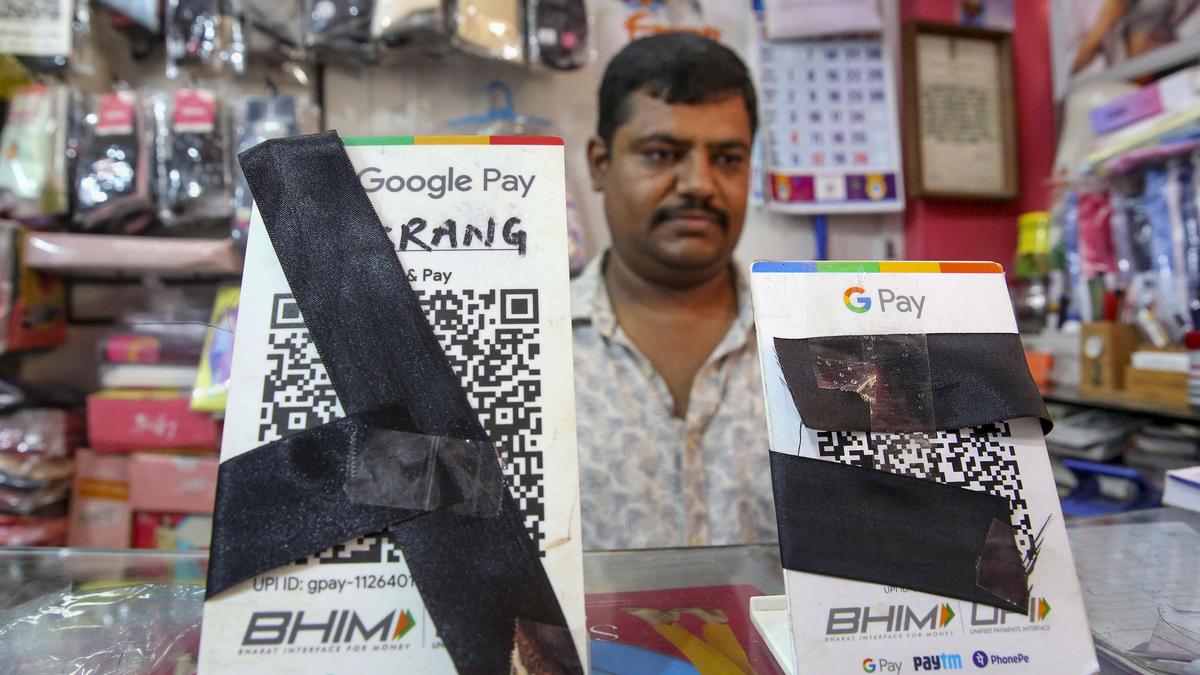
India Sets New UPI Merchant Charges, Small Retailers Plan Protests
India's decision to introduce a 0.4 percent merchant fee for large UPI transactions has sparked debate over its impact on small businesses and digital payments, with protests and legal challenges emerging.
8 sources · over 6 days
Nationwide Bank Strike Deferred After Last-Minute Talks With Unions
The three-day nationwide bank strike set for September 28-30 has been called off after successful negotiations.
12 sources · over 7 days