Trump Dismisses AI Criticism Amid Calls for Regulation After Anthropic Debate
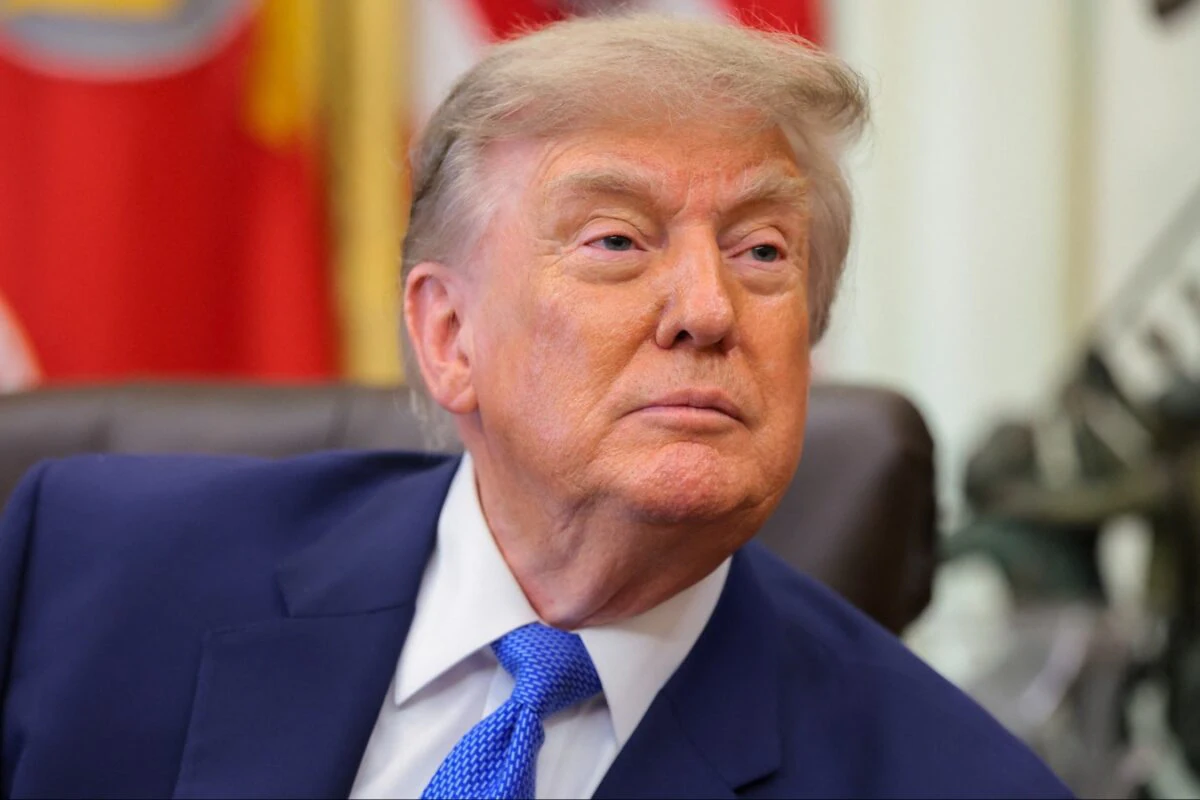
Donald Trump has rejected warnings about artificial intelligence risks, responding to recent expert concerns and ongoing calls for stricter oversight of AI in the United States.
By Daniel Okafor · First published 13 Sept 2026
In brief
- Donald Trump continues to dismiss warnings about rapid AI development and rejects calls from tech leaders to slow progress.
- Trump emphasizes maintaining U.S. technological superiority over China as his main reason for opposing a pause in AI advancement.
- He now admits some regulation may be needed but has not provided any details on possible rules or frameworks.
- Tech executives and researchers remain vocal about the potential dangers of unregulated AI and urge stronger oversight.
- The U.S. political debate over how to balance AI innovation with regulation remains deeply divided and unresolved.
Timeline · 5 moments
Anthropic researcher's warnings spark renewed AI safety debate
World News CNA ↗Trump criticizes AI critics and downplays existential risks
Top World News- News18.com ↗Tech leaders urge government to slow down AI development
Financial Times ↗Trump cites China competition to justify ongoing AI progress
The Hill ↗Trump brushes off AI risks, stresses competition with China
CBS Top Stories ↗Update 14 Sept 2026, 10:06 am UTC
Recent coverage confirms Trump continues to reject calls to slow AI development, repeating that U.S. competitiveness with China is his priority. He now acknowledges the need for some regulation but has not offered any concrete proposals.
Update 14 Sept 2026, 4:26 am UTC
Trump has doubled down on dismissing AI safety concerns, characterizing critics as 'very negative forces.' He reiterated his opposition to slowing AI progress despite calls from tech CEOs, though he acknowledged some regulation may be needed. The debate remains focused on balancing innovation with regulation, with Trump's stance drawing sharper lines in the ongoing policy discussion.
Update 13 Sept 2026, 11:05 pm UTC
Recent coverage shows Trump continuing to reject calls for slowing AI development, but he now acknowledges support for some guardrails. He maintains that the US must not lose its technological edge to China, even as tech leaders urge caution.
Update 13 Sept 2026, 8:02 pm UTC
Multiple outlets report that Trump has again downplayed the need for AI regulation, stating his main concern is not losing an edge to China. He acknowledged some risks but argued that competition and innovation should take priority over restrictions.
How it started
Public debate over artificial intelligence in the United States reignited after an Anthropic researcher, Jacob Coxon, left the company and issued warnings about the dangers of advanced AI. These warnings included the possibility that AI could pose an existential threat to humanity, sparking renewed concern among experts and the public.
In response, technology leaders and some policymakers began calling for a slowdown in AI development and stricter regulatory measures. Their concerns centered on the speed of AI progress and its potential impact on society, safety, and global stability.
How it unfolded
On September 13, 2026, Donald Trump publicly addressed the growing debate around AI. He labeled critics of artificial intelligence as 'very negative forces' and claimed their warnings were exaggerated, according to Top World News- News18.com.
The issue gained traction after two Anthropic researchers, including Coxon, warned that AI could potentially lead to the extinction of humanity, as reported by World News CNA. Their departure and statements triggered intense discussion among policymakers and the tech community alike.
As calls for regulation grew louder, Trump rejected demands for an AI slowdown, dismissing existential fears and emphasizing the need for continued innovation. He specifically cited competition with China as a reason to maintain the current pace of AI development, according to The Hill.
Trump also defended the White House's relatively hands-off approach to AI regulation, despite mounting pressure from technology executives who fear unchecked development could pose serious risks, as noted by The Wall Street Journal Tech.
Throughout these developments, Trump continued to downplay the risks, insisting that concerns about catastrophic outcomes are unlikely to materialize, BBC News - World News reported.
Where it stands
The debate over artificial intelligence regulation in the US is ongoing. Trump remains firm in his stance against slowing down AI development, arguing that exaggerated fears should not hinder American competitiveness, particularly with China.
Public and expert scrutiny of AI's risks and benefits is likely to continue, as policymakers, researchers, and tech leaders remain divided on the best path forward.
What to watch
Upcoming discussions in Congress and among regulatory agencies could shape future AI policies in the US. The evolving positions of tech companies, researchers, and political leaders will be critical in determining whether calls for stricter regulation gain traction or if the current approach prevails.
More in Politics
All →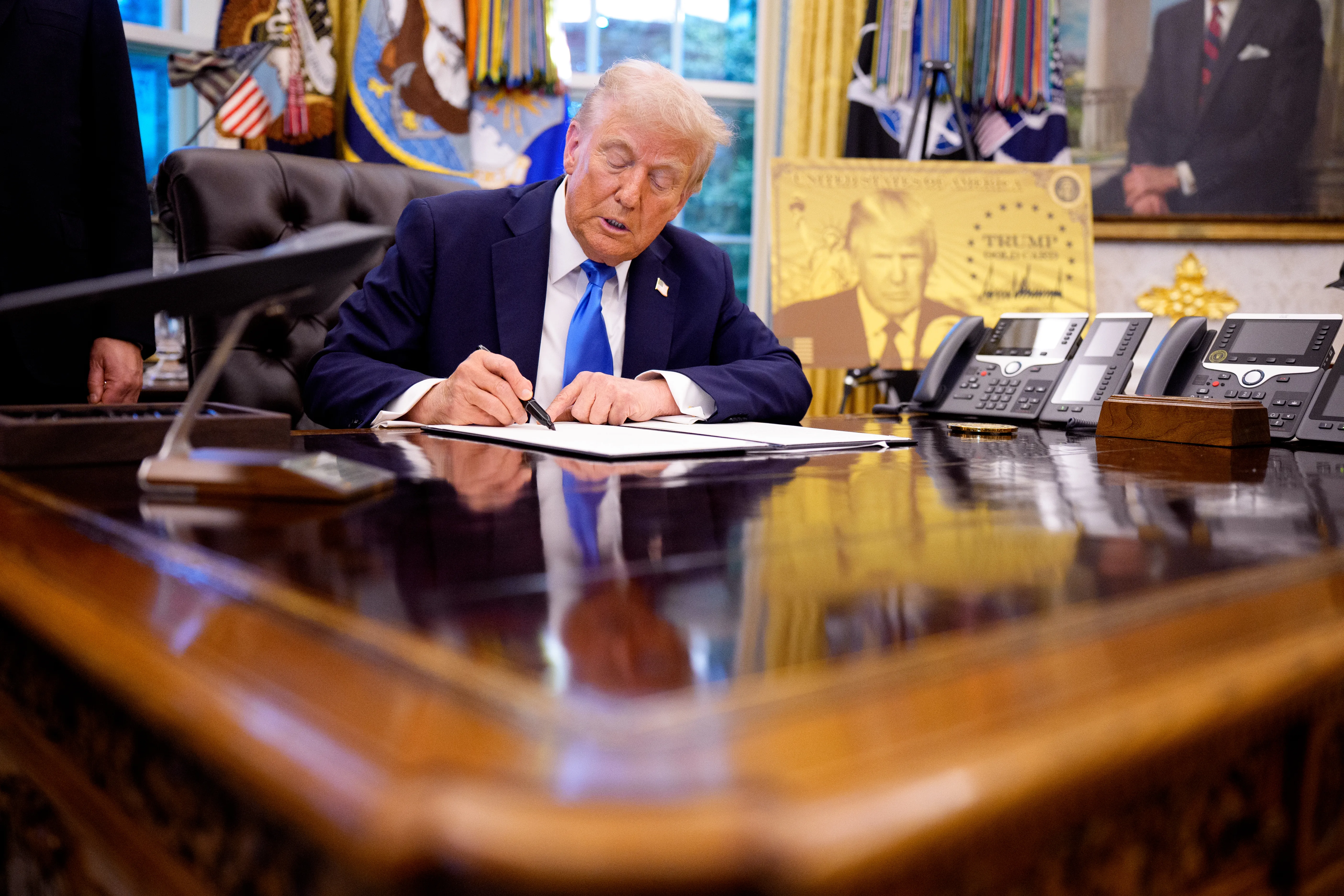
Trump Cancels Nearly $1 Billion in Federal Funds Using Rare Budget Move
President Trump revoked almost $1 billion in congressionally approved funding targeting immigration and race-focused programs, triggering bipartisan criticism and raising questions about executive authority over spending.
15 sources · over 3 days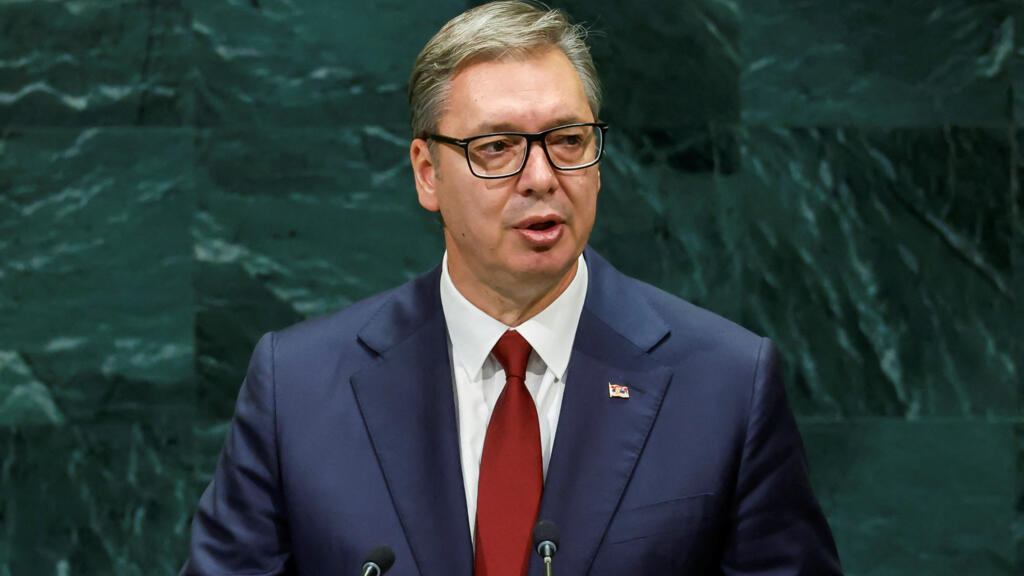
Serbian President Aleksandar Vucic Resigns Ahead of Parliamentary Elections, Eyes Prime Minister Role
Aleksandar Vucic has stepped down as Serbia's president just before early elections, setting the stage for a possible transition to prime minister and a major shift in the country's leadership.
23 sources · today
Andy Burnham Faces Early Tests as UK Prime Minister Amid Labour Unrest
Andy Burnham's first weeks as UK Prime Minister have been shaped by high-profile diplomacy, internal Labour divisions, and a refusal to call an early election, setting the stage for his first party conference.
15 sources · over 7 days