Fed Raises Rates for First Time Since 2023 Amid Inflation Fight
The Federal Reserve increased interest rates by a quarter point, its first hike in over three years, citing ongoing inflation concerns.
By Hannah Lindqvist · First published 15 Sept 2026
In brief
- The Federal Reserve raised its benchmark interest rate by 0.25 percentage points to a range of 3.75% to 4%.
- This is the first rate increase since 2023, as the Fed responds to persistent inflation and surging bond yields.
- The move comes despite public pressure from President Trump, who has called for significantly lower interest rates.
- Market volatility remains high, with concerns that elevated borrowing costs could slow economic growth and impact stock markets.
- Americans continue to face high costs for essentials, and affordability is a major issue ahead of the midterm elections.
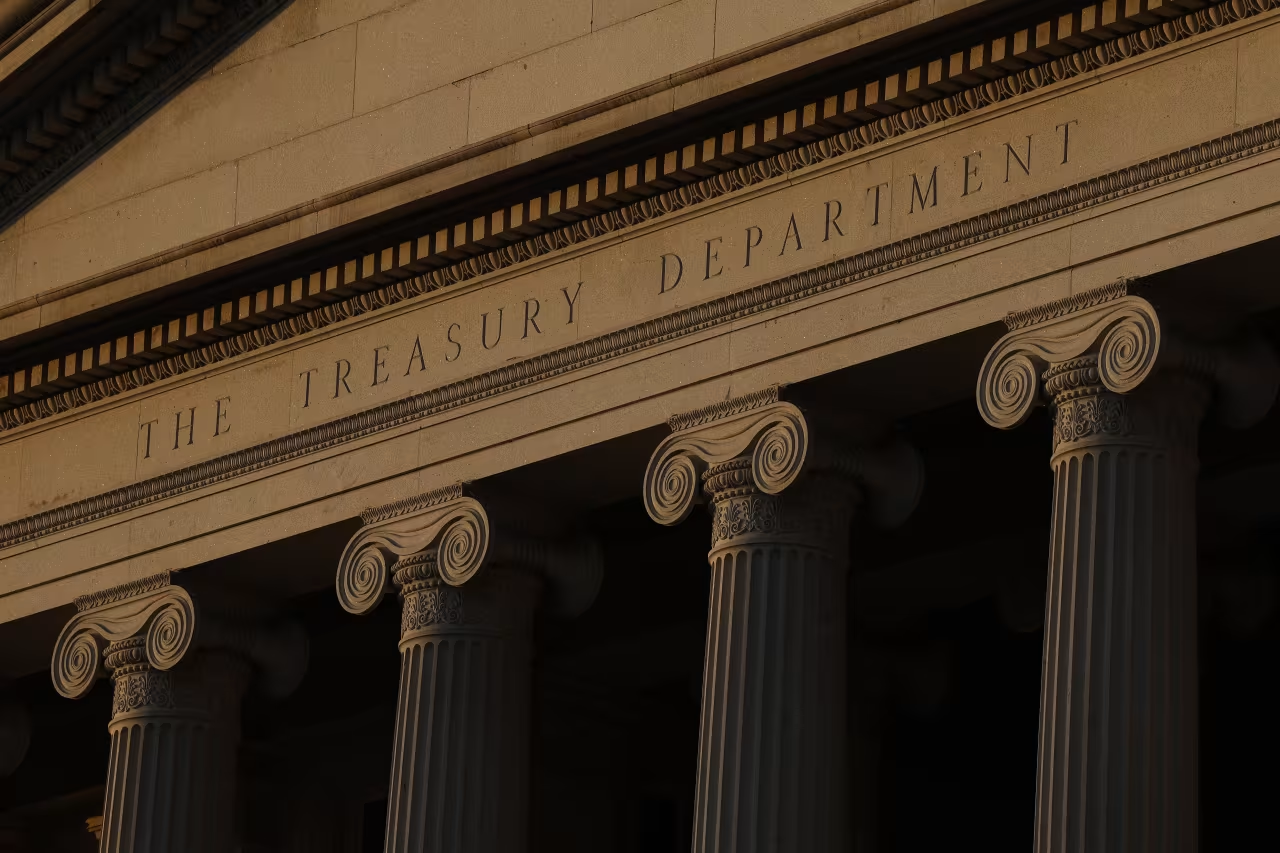
Timeline · 9 moments
Treasury yields surge toward 5 percent as inflation heats up
MarketWatch ↗10-year yield nears 5 percent, highest since 2007
Bloomberg ↗Bond selloff pushes 10-year yield close to 5 percent
Bloomberg ↗10-year Treasury yield hits 5 percent, a critical threshold
cnn.com ↗10-year Treasury yield surpasses 5 percent during Monday trading
The Hill ↗US 10-year yields reach highest since October 2023
Economic Times Business & Economy ↗Federal Reserve raises interest rates by 0.25 percentage points
NBC News ↗Fed lifts rates by 0.25 points for first time since 2023
Latest news, sport and opinion from the Guardian ↗Trump publicly demands sharp rate cuts after Fed hike
Top World News- News18.com ↗Update 16 Sept 2026, 9:47 pm UTC
The Federal Reserve has raised interest rates by 0.25 percentage points for the first time since 2023, bringing the target range to 3.75%-4%. This move comes amid persistent inflation and rising bond yields, and has sparked a strong response from President Trump, who is calling for lower rates.
Update 16 Sept 2026, 6:37 pm UTC
The Federal Reserve has raised interest rates by 0.25 percentage points, its first hike since 2023, in response to persistent inflation and rising Treasury yields. This move brings the federal funds rate to a range of 3.75% to 4%, adding to concerns about higher borrowing costs and market volatility.
How it started
The recent surge in US 10-year Treasury yields began with mounting concerns over inflation, particularly as oil prices climbed to their highest levels in months. Early September saw disappointing wholesale inflation data, which pushed yields higher as investors anticipated the Federal Reserve might keep interest rates elevated.
Bond traders grew increasingly wary of persistent inflation and the implications for monetary policy. As a result, the yield on the benchmark 10-year note began edging closer to the key 5 percent threshold, a level not seen consistently since before the 2008 financial crisis.
How it unfolded
On September 10, the 10-year Treasury yield accelerated toward the 5 percent mark, fueled by rising oil prices and inflation worries. Analysts began warning that these levels could spell trouble for stocks and signal broader market instability.
By September 11, the yield was nearing 5 percent, affecting not just US markets but global ones as well. Financial outlets noted that the situation was reminiscent of 2007, the last time yields were this high for a sustained period.
Over the next few days, expectations for further Federal Reserve rate hikes grew stronger. The bond market's selloff deepened, with investors seeking safety in other assets. Gold prices also fell as traders bet on additional rate increases in response to inflation and oil-driven economic pressures.
On September 14, the 10-year yield officially surpassed 5 percent, reaching as high as 5.014 percent during trading before pulling back slightly. This marked only the second time in 19 years that such a level was reached, and it triggered widespread attention across financial markets.
By September 15, coverage confirmed that the yield had reached its highest level since October 2023. The move reflected expectations that high interest rates might persist longer than previously thought, amid a backdrop of rising debt, inflation, and global uncertainty.
Where it stands
The 10-year US Treasury yield stands just above 5 percent, a symbolic and practical threshold for investors, businesses, and policymakers. This sharp increase has led to higher borrowing costs and renewed debate over the Federal Reserve's next moves.
Market volatility remains elevated, with stocks and other risk assets under pressure. Investors are weighing the impact of higher yields on economic growth, corporate profits, and consumer spending. Many expect that the Federal Reserve will maintain a cautious stance as it assesses the persistence of inflation.
What to watch
Markets are now focused on whether the Federal Reserve will raise interest rates again in response to inflation and elevated yields. The duration of high Treasury yields will be crucial for mortgage rates, business loans, and the overall cost of capital. Any signals from the Fed at its upcoming meeting could shape the next phase for both bonds and stocks.
More in Business
All →
US and China Reveal Product Lists for $30 Billion Tariff Reduction Deal
The US and China have agreed to reduce tariffs on billions in goods, signaling progress in trade talks after a major summit between their leaders.
9 sources · today
India Sets New UPI Merchant Charges, Small Retailers Plan Protests
India's decision to introduce a 0.4 percent merchant fee for large UPI transactions has sparked debate over its impact on small businesses and digital payments, with protests and legal challenges emerging.
8 sources · over 6 days
Nationwide Bank Strike Deferred After Last-Minute Talks With Unions
The three-day nationwide bank strike set for September 28-30 has been called off after successful negotiations.
12 sources · over 7 days