US Judge Rejects Justice Department's Push to Break Up Google's Ad Tech Business
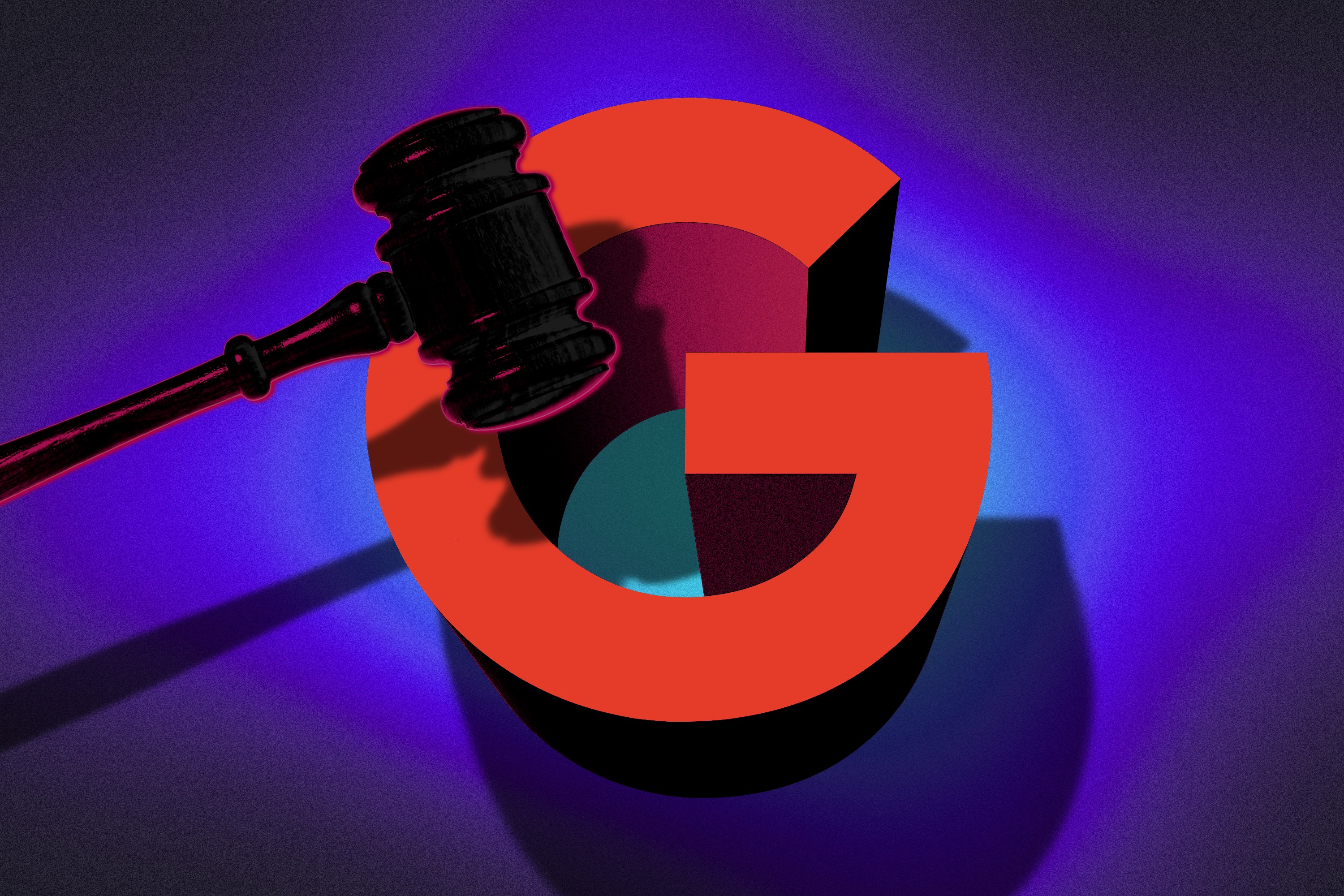
A federal judge's decision to leave Google's ad exchange intact is a major setback for US antitrust efforts targeting Big Tech's dominance in digital advertising.
By Samuel Adeyemi · First published 2 Sept 2026
In brief
- A US judge ruled that Google will not have to sell its ad exchange business.
- The court ordered Google to end practices that lower ad rates for web publishers and make other changes.
- This marks the third major antitrust defeat for US regulators against large technology firms in recent years.
- Regulatory remedies, rather than a breakup, were chosen to address competition concerns in digital advertising.
- Google remains under regulatory and legal scrutiny in the US and other countries following the ruling.
Timeline · 4 moments
US judge rejects bid to break up Google's ad business
Digital Journal ↗Google escapes ad tech breakup in third Big Tech antitrust loss for US
World News CNA ↗Google dodges another breakup attempt
The Verge - All Posts Tech ↗Google won't be forced to sell its ad exchange
https://www.engadget.com/ Tech ↗Update 3 Sept 2026, 2:10 am UTC
A federal judge declined to order Google to sell its ad exchange business but did require the company to change certain ad practices. The court specifically ordered Google to stop actions that depress ad rates for web publishers, although the exact behavioral changes have not been disclosed.
How it started
The US government has been scrutinizing Google's advertising business for years, arguing that the company holds too much power over digital ads. In 2023, the Department of Justice filed a lawsuit seeking to force Google to sell parts of its ad tech operations. Regulators claimed that Google used its dominant position to stifle competition and control key parts of the online advertising market.
This case followed earlier antitrust actions against other tech giants, but Google's ad business, which generates tens of billions in revenue each year, has often been cited as a central concern for regulators. The government hoped that breaking up Google's ad exchange would open the market to more competition.
How it unfolded
On September 2, 2026, US District Judge Leonie Brinkema ruled against the Justice Department's request to force Google to sell its ad tech business, according to Notícias ao Minuto and several other outlets. Instead of ordering a breakup, Judge Brinkema said she preferred a set of regulatory measures to oversee Google's advertising operations.
The BBC and The Verge reported that this was the third major antitrust defeat for US authorities in cases against Big Tech. The court's decision means Google can keep its ad exchange business, which plays a central role in the company's digital advertising empire.
The Verge noted that the court accepted less severe remedies that are intended to improve competition, though details of these measures have not been widely reported.
Previously, a judge had found that Google illegally monopolized parts of the ad tech market, according to Engadget. However, the latest ruling means Google is not required to divest any part of its business for now.
Where it stands
As of early September 2026, Google will not be forced to sell its ad exchange division. The decision is a significant win for Google and its parent company Alphabet, which continue to face antitrust scrutiny in the US and abroad. While the court did not impose the breakup sought by the government, it did leave the door open for regulatory oversight and other remedies aimed at increasing competition.
The Justice Department's loss highlights the difficulty regulators face in challenging the structure of major tech companies, even when courts agree that some monopolistic behavior occurred.
What to watch
Attention will likely turn to the specific regulatory measures the court prefers and how they will be implemented. Ongoing scrutiny of Google's business practices means further legal challenges and regulatory actions remain possible, both in the US and internationally.
More in Business
All →
US and China Reveal Product Lists for $30 Billion Tariff Reduction Deal
The US and China have agreed to reduce tariffs on billions in goods, signaling progress in trade talks after a major summit between their leaders.
9 sources · today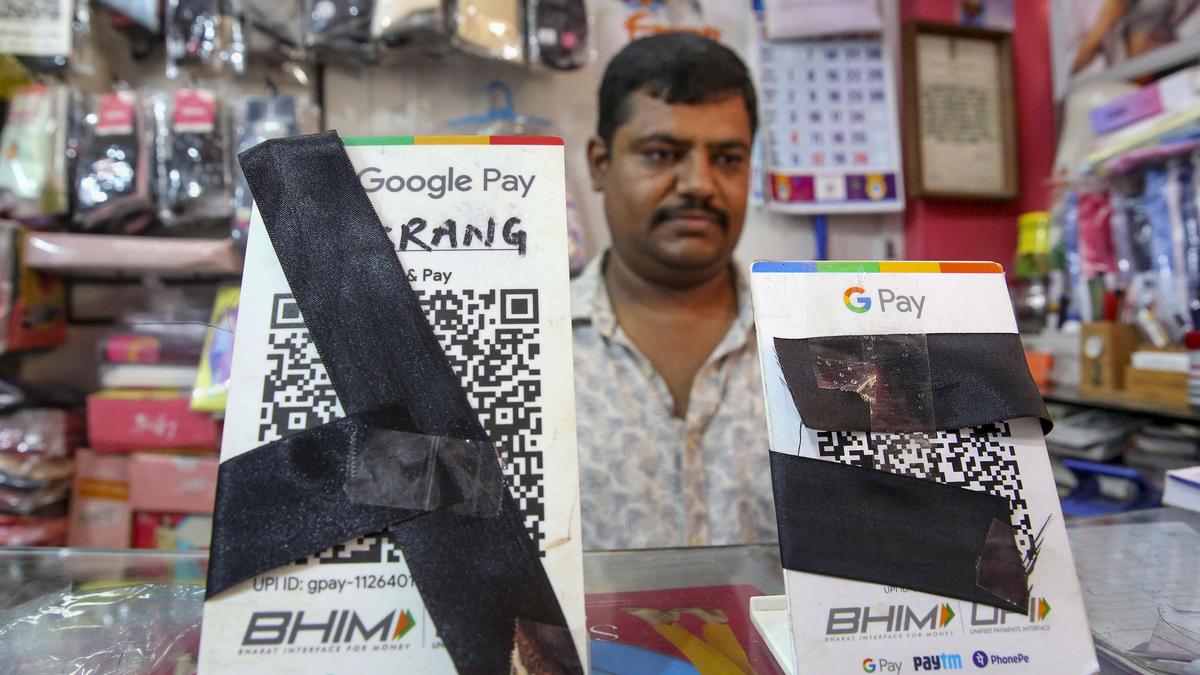
India Sets New UPI Merchant Charges, Small Retailers Plan Protests
India's decision to introduce a 0.4 percent merchant fee for large UPI transactions has sparked debate over its impact on small businesses and digital payments, with protests and legal challenges emerging.
8 sources · over 6 days
Nationwide Bank Strike Deferred After Last-Minute Talks With Unions
The three-day nationwide bank strike set for September 28-30 has been called off after successful negotiations.
12 sources · over 7 days