US Iran War Costs Reach $38 Billion as Inflation Rises
The Congressional Budget Office says the Iran war has cost the US $38 billion so far and is driving inflation higher.
By Hannah Lindqvist · First published 15 Sept 2026
In brief
- The US war with Iran has cost at least $38 billion, according to new Congressional Budget Office and Pentagon reports.
- The Pentagon spent $21.7 billion on replacing munitions, and stockpiles are now so depleted they could take years to rebuild.
- Monthly war costs are projected to rise by $2 to $3 billion if the conflict continues at current intensity.
- Significant damage includes dozens of destroyed aircraft and hundreds of damaged or destroyed buildings at US bases in eight countries.
- The conflict is contributing to rising inflation in the US, with the CBO warning of further economic impact if the war continues.
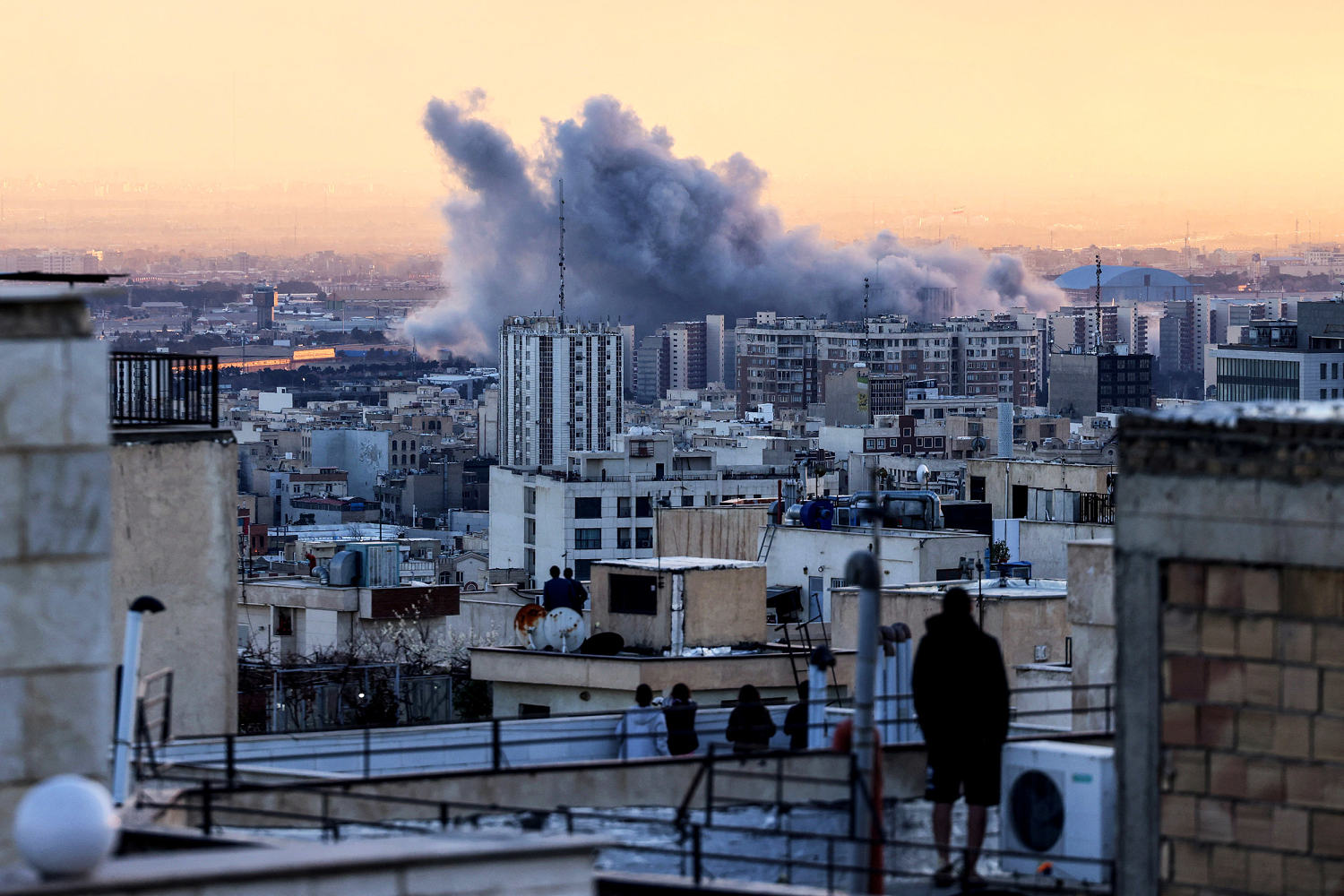
Timeline · 5 moments
Pentagon watchdog reports munitions shortfall from Iran war
NBC News ↗USS George Washington enforces blockade and supports shipping
The Hindu ↗US defense report details strategic munitions shortage after Operation Epic Fury
Le Monde ↗US government reveals $33.4 billion spent on Iran war by June
CNBC ↗Pentagon acknowledges ammunition shortages and supply chain issues
Franceinfo ↗Update 15 Sept 2026, 10:06 pm UTC
New reports from the Congressional Budget Office put US war costs at $38 billion, up from previous estimates. The CBO also warns the conflict is fueling inflation and that monthly costs are expected to rise by $2 to $3 billion if fighting continues.
Update 15 Sept 2026, 5:48 pm UTC
New Pentagon and inspector general reports confirm the US spent $22.3 billion on munitions alone in the Iran war, causing severe stockpile shortages and bottlenecks in resupply. The total cost remains at $33.4 billion, but the scale of damage to US bases and equipment is now more clearly documented.
Update 15 Sept 2026, 1:18 pm UTC
New watchdog and inspector general reports confirm extensive damage to US bases across eight countries and detail munitions shortages and industrial bottlenecks. The $33.4 billion cost figure remains unchanged, but the scale of damage and supply chain issues is now clearer.
Update 15 Sept 2026, 10:08 am UTC
Recent Pentagon and watchdog reports confirm a significant US munitions shortfall due to the Iran war, directly contradicting earlier official denials and presidential statements about stockpile levels. The Department of Defense now publicly acknowledges challenges in ammunition supply and manufacturing.
How it started
Tensions between the United States and Iran escalated dramatically, eventually leading to direct military conflict. In response, the US launched Operation Epic Fury, deploying significant resources and personnel to the region.
As the conflict intensified, the US military committed advanced weaponry and large amounts of munitions. Early statements from US officials suggested that ammunition stocks were sufficient for prolonged operations.
However, the scale and pace of the campaign quickly began to strain military supplies and logistical networks.
How it unfolded
On September 14, 2026, a Pentagon inspector general report was released, marking the first official assessment of the war's impact on US military resources. The report found that ongoing operations in Iran had led to a significant shortfall in munitions and created bottlenecks in the supply chain.
The next day, more details emerged about the scope of the shortages. Reports highlighted that the shortage was not limited to ammunition but extended to damage across hundreds of structures and aircraft. The Pentagon's findings contradicted earlier claims by the Trump administration that US military supplies were robust.
By September 15, the financial toll of the conflict was made public. The US government had spent $33.4 billion on the war as of June 29. This figure included costs from damaged infrastructure, equipment, and ongoing operations.
Meanwhile, the USS George Washington played a key role in enforcing a US naval blockade against Iran and supporting commercial shipping in the Strait of Hormuz, underlining the military's continued presence and operational commitments in the region.
The Defense Department's inspector general called for urgent assessment and solutions to address the munitions shortfall and rebuild depleted inventories.
Where it stands
The US military now faces a pressing shortage of key munitions and must contend with significant damage to its assets. The $33.4 billion spent so far reflects both direct combat costs and the broader logistical challenges of sustaining operations.
Military leaders are under pressure to address these shortages quickly, as further delays could impact readiness for future conflicts. The Pentagon is actively reviewing its supply chains and industrial capacity to speed up the replenishment of its strategic stockpiles.
What to watch
Attention will remain on how the Pentagon addresses the munitions shortfall and whether new policies or funding will be introduced to rebuild inventories. Observers are also watching for any changes in military strategy or posture in the region as the US adapts to these operational strains.
More in Politics
All →
Trump Cancels Nearly $1 Billion in Federal Funds Using Rare Budget Move
President Trump revoked almost $1 billion in congressionally approved funding targeting immigration and race-focused programs, triggering bipartisan criticism and raising questions about executive authority over spending.
15 sources · over 3 days
Serbian President Aleksandar Vucic Resigns Ahead of Parliamentary Elections, Eyes Prime Minister Role
Aleksandar Vucic has stepped down as Serbia's president just before early elections, setting the stage for a possible transition to prime minister and a major shift in the country's leadership.
23 sources · today
Andy Burnham Faces Early Tests as UK Prime Minister Amid Labour Unrest
Andy Burnham's first weeks as UK Prime Minister have been shaped by high-profile diplomacy, internal Labour divisions, and a refusal to call an early election, setting the stage for his first party conference.
15 sources · over 7 days