Volkswagen Sells Osnabrück Plant to Israeli Weapons Manufacturer for Air Defense Production
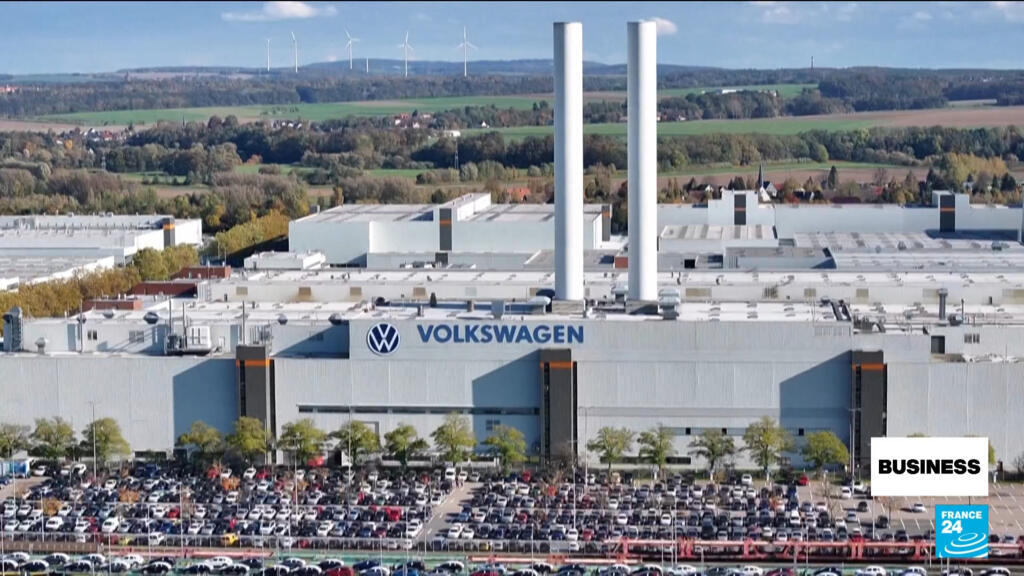
Volkswagen's Osnabrück plant will shift to making air defense systems with an Israeli weapons company, preserving most jobs.
By Samuel Adeyemi · First published 7 Sept 2026
In brief
- Volkswagen has agreed to sell its Osnabrück plant to an Israeli weapons manufacturer, with involvement from the state of Lower Saxony.
- The factory will stop car production and shift to making air defense systems, possibly in partnership with the Iron Dome's producer.
- Most current jobs at the Osnabrück facility are expected to be retained during and after the conversion process.
- The sale and conversion come as Volkswagen addresses overcapacity and declining demand in the traditional automotive market.
- Defense manufacturing at the site is expected to begin by mid 2027, after car production is phased out.
Timeline · 6 moments
Volkswagen announces Osnabrück plant sale and defense conversion
DIE WELT ↗Details emerge on Israeli investor Aurelius Capital's involvement
elEconomista.es ↗State of Lower Saxony joins Aurelius Capital as co-buyer
ARD Tagesschau ↗Shift to military vehicle and drone production confirmed
DER SPIEGEL - Schlagzeilen – Tops ↗Plant sale confirmed to Israeli weapons manufacturer
Home | GB News ↗Osnabrück site to focus on air defense systems
Il Post ↗Update 8 Sept 2026, 10:31 am UTC
Recent reports clarify that the Osnabrück plant is being sold specifically to an Israeli weapons manufacturer, not just to a financial investor. The facility is now expected to focus on air defense systems in collaboration with the Israeli company behind Iron Dome.
How it started
Volkswagen's Osnabrück plant has a long history of car manufacturing, but recent years brought challenges. Demand for cars fell, and Volkswagen faced excess capacity across its factories. With these pressures mounting, the company began exploring ways to repurpose underused sites.
As the automotive market shifted, Volkswagen considered new uses for Osnabrück. The idea of converting the site for defense production emerged, reflecting broader trends as traditional carmakers adapt to changing markets.
How it unfolded
On September 7, 2026, Volkswagen publicly announced its plan to sell the Osnabrück plant. The buyers are Israeli investment firm Aurelius Capital and the German state of Lower Saxony. The deal includes a plan to convert the facility into a defense production site.
The plant will stop producing cars, and instead, start making military vehicles and possibly other defense-related systems. Reports indicated a partnership with an Israeli drone manufacturer, which could bring advanced defense technology to the site.
Volkswagen said most of the plant's existing jobs could be retained, with employees transitioning to the new defense-focused operations. The decision comes amid Volkswagen's broader struggles with falling car sales and the need to find new uses for its factories.
Negotiations and agreements were finalized quickly, with the transition set to begin soon. Defense manufacturing at Osnabrück is expected to start by mid 2027, marking a significant change for both the company and the region.
Where it stands
The sale of the Osnabrück plant is now confirmed. Ongoing car production at the site will gradually phase out as the conversion to defense manufacturing ramps up. Most workers are expected to keep their jobs, but their roles will change as the plant shifts to producing military equipment.
Volkswagen is adapting to shrinking demand for cars by finding new industrial uses for its assets. The involvement of Aurelius Capital and the state government reflects both local and international interest in this transformation.
What to watch
The next key step is the practical conversion of the Osnabrück facility for defense production. It remains to be seen exactly what kinds of military systems will be produced and how quickly the workforce can adapt to the new demands. Regulatory approvals and integration with Israeli defense technology partners will also be important to watch in the coming months.
More in Business
All →
US and China Reveal Product Lists for $30 Billion Tariff Reduction Deal
The US and China have agreed to reduce tariffs on billions in goods, signaling progress in trade talks after a major summit between their leaders.
9 sources · today
India Sets New UPI Merchant Charges, Small Retailers Plan Protests
India's decision to introduce a 0.4 percent merchant fee for large UPI transactions has sparked debate over its impact on small businesses and digital payments, with protests and legal challenges emerging.
8 sources · over 6 days
Nationwide Bank Strike Deferred After Last-Minute Talks With Unions
The three-day nationwide bank strike set for September 28-30 has been called off after successful negotiations.
12 sources · over 7 days