UN Set to Vote on Replacing Mercator Map With Accurate Africa Representation
The United Nations is preparing to vote on a proposal to adopt a new world map projection that more accurately reflects Africa's true size, aiming to address historical distortions in global cartography.
By Mei-Ling Chao · First published 4 Sept 2026
In brief
- The UN General Assembly adopted the Equal Earth projection, with 164 countries voting in favor and the US voting against.
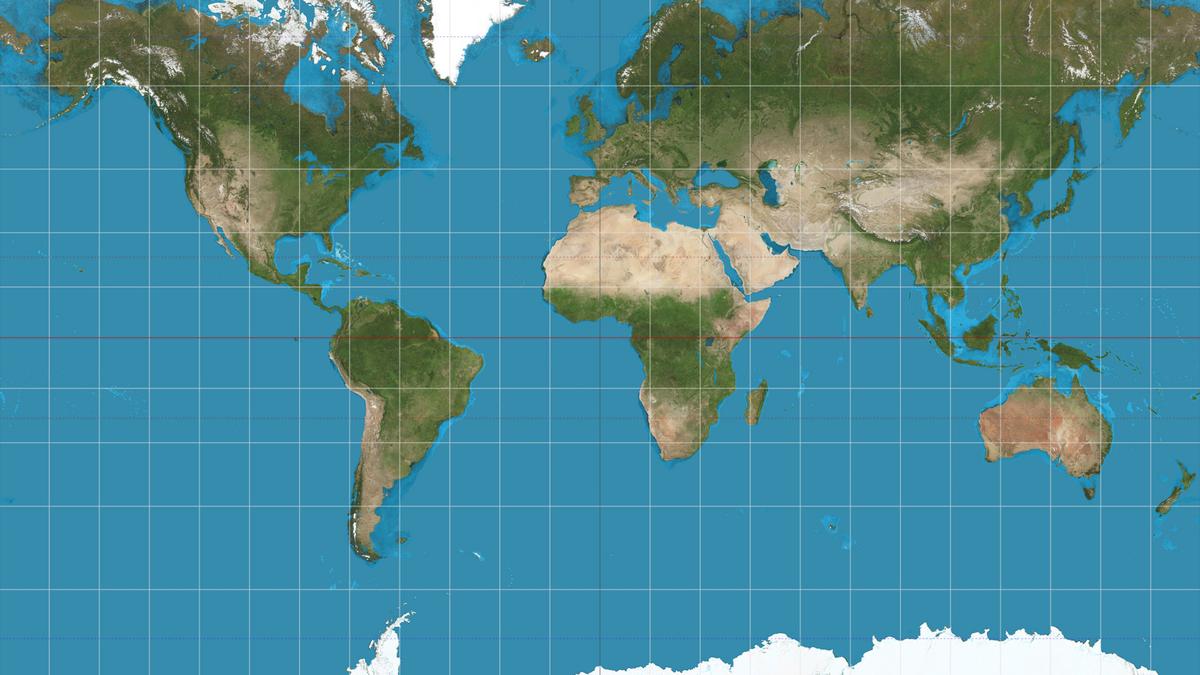
- The new map shows Africa and other regions at their true scale, reducing distortions of the Mercator projection.
- The resolution is nonbinding but is expected to guide updates to educational and official maps worldwide.
- The African Union and Togo led the campaign for more accurate global map representations, which was widely supported.
- The United States criticized the move as ideological, while India and most countries backed the change.
Timeline · 5 moments
UN General Assembly schedules vote on new world map proposal
World news | The Guardian News ↗African-led coalition pushes for map reform at the United Nations
NYT World News ↗UN approves resolution to adopt map reflecting Africa's true size
The Hindu ↗UN vote sets stage for changes in map standards worldwide
BBC News ↗UN General Assembly adopts Equal Earth map resolution
Scroll.in ↗Update 6 Sept 2026, 6:10 pm UTC
Recent coverage confirms the UN General Assembly formally adopted the Equal Earth map, with the US as the only country to vote against. The resolution is nonbinding but expected to influence educational and official map usage globally. The African Union and Togo led the initiative. The United States criticized the move as ideological, while India and most countries supported it.
Update 5 Sept 2026, 4:39 am UTC
The United Nations General Assembly has officially adopted the Equal Earth map projection, with 164 countries in favor, the United States opposed, and six abstentions. The resolution was led by the African Union and aims to correct distortions of Africa and other regions in traditional world maps.
Update 5 Sept 2026, 0:25 am UTC
The UN General Assembly has officially adopted the Equal Earth projection, which more accurately reflects Africa's size. The United States was the only country to vote against the resolution, while over 160 nations supported it. The new map will make Africa appear larger and North America and Europe smaller compared to the old Mercator projection.
How it started
For centuries, the Mercator projection has been the standard for world maps, especially in classrooms and official documents. Created in the 16th century to help European navigators, its design distorts the size of land masses, making regions like Africa appear much smaller than they really are. This distortion has drawn criticism for misrepresenting the true scale of countries and continents, particularly in Africa. In recent years, calls for a more accurate and equitable world map have grown louder, with African leaders and educators pushing for change.
How it unfolded
In early September 2026, the push for a map reform culminated in a formal proposal at the United Nations, led by Togo and supported by a coalition of African nations. The proposal called for the UN to phase out the Mercator map in favor of projections like the Equal Earth, which more accurately depict the relative sizes of continents and countries.
On September 4, 2026, the UN General Assembly debated and then voted on the resolution. According to The Guardian News, the vote was scheduled for Friday and aimed to address the longstanding misrepresentation of Africa's scale. The Hindu confirmed that the resolution was approved, signaling a global move away from the Mercator projection. The new map is intended to better reflect the real proportions of land masses, especially for Africa.
Franceinfo reported that the resolution encourages not only the United Nations but also other international organizations and member states to adopt more accurate map projections in their materials. The momentum for this change was fueled by growing awareness of the educational and cultural impact of distorted maps. Deutschlandfunk noted that the vote passed with a clear majority, showing wide international support.
Where it stands
The resolution has been approved by the UN General Assembly. This marks the start of a transition period, as the new Equal Earth projection begins to replace the Mercator map in educational materials, official documents, and international communications. Implementation will be gradual, but the decision is seen as a significant milestone for fair representation of all nations on the world stage.
What to watch
The next steps will involve how quickly and widely the new map projection is adopted by schools, governments, and organizations worldwide. Some resistance or delays may occur as institutions update their materials, but the UN's decision is expected to influence global standards in the coming years.
More in World
All →
South Korea Demands Apology After Ukraine Reveals POW Transfer Deal
South Korea has demanded an official apology from Ukraine after details emerged about the confidential transfer of North Korean prisoners of war, straining ties between the two countries.
15 sources · today
Israel Revokes Diplomatic Status of Dutch Officials in West Bank Dispute
Israel has withdrawn the diplomatic accreditation of Dutch diplomats in Ramallah after the Netherlands imposed an import ban on goods from Israeli settlements, significantly escalating tensions between the two countries.
15 sources · today
Egypt Warned Israel of Impending Hamas Attack Before October 7, Reports Show
Recent reports reveal Egypt's intelligence chief issued urgent warnings to Israel about Hamas activity before the October 7, 2023 attack, raising tough questions about missed signals and government accountability.
16 sources · over 3 days